October 2026 Flash Flood Warning — Hurricane, Ivins, Santa Clara & more — Emergency Restoration
- Recovery resources and next steps
- Insurance claim guidance
- Lessons learned for future prevention
- Professional restoration support
Follow local emergency guidance. Stay out of unsafe areas and call emergency services if there is immediate danger.
Live Conditions
Real-time weather radar for Utah
- Do NOT stand in water near electrical outlets or appliances
- Shut off main water supply if the source is a pipe or appliance
- Turn off electricity to affected areas at the breaker — only if safe to reach
- Do NOT use household vacuums on standing water
- Move to higher ground if water is rising rapidly
How DRT Helped Utah Recover from the October 2026 Flash Flood — Hurricane, Ivins, Santa Clara & Surrounding Areas
On October 22, 2026, the National Weather Service Salt Lake City issued a Flash Flood Warning at 9:52 AM MDT for communities across Washington County, including Hurricane, Ivins, Santa Clara, and neighboring areas. The warning remained in effect until 11:45 AM MDT — but for homeowners and business owners in the affected areas, the work of recovery was just beginning.
The Disaster Repair Team (DRT) was on the ground and responding within hours. This page serves as a case study and resource guide documenting how DRT helped the community recover, what property owners needed to know in the aftermath, and what lessons emerged that can help anyone facing flood damage in Southern Utah.
If you're still dealing with damage from this event — or any flooding — we're here to help.
Call DRT: 385-287-6344
What the October 2026 Flash Flood Looked Like on the Ground
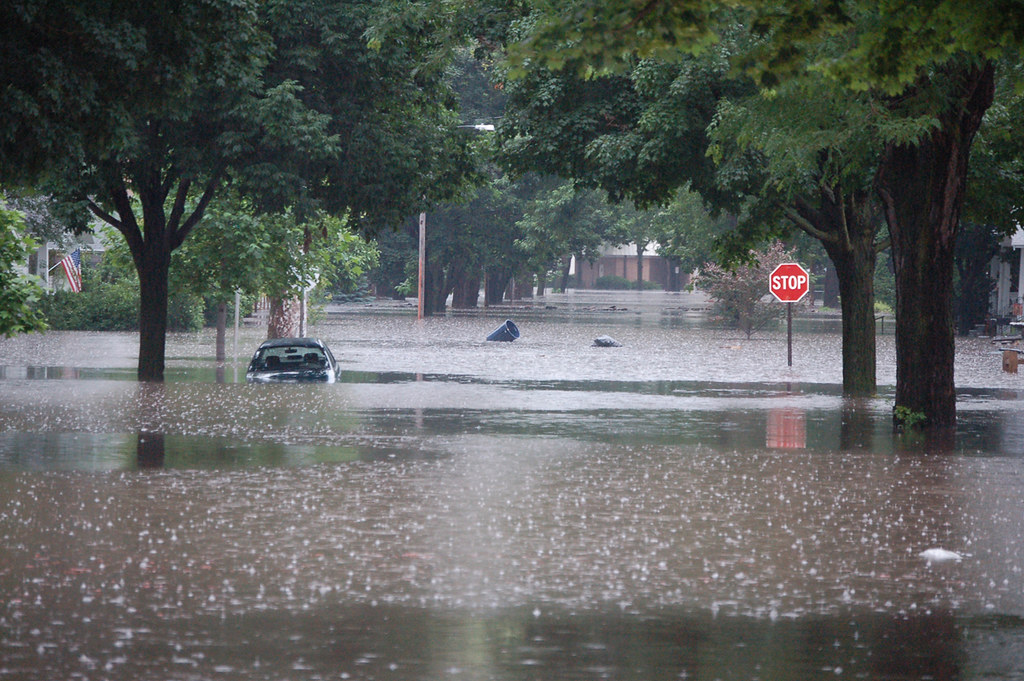
Flash floods in Washington County are notoriously fast and destructive. The area's red rock terrain, hardpan soil, and concentrated canyon drainage systems mean that even a short, intense rainfall event can send walls of water and debris through neighborhoods with little warning. The October 22 event was no exception — residents in Hurricane, Ivins, Santa Clara, and surrounding communities reported rapid inundation, mud and debris intrusion, and significant damage to homes, garages, driveways, and businesses.
DRT received calls beginning within the first hour of the warning and continued fielding emergency requests for days following the event as the full scope of damage became clear.
---What Property Owners Were Advised to Do After the Flooding
In the immediate aftermath of a flash flood, the actions taken in the first 24–72 hours are critical to minimizing long-term damage and protecting your insurance claim. Here is the guidance DRT provided to affected property owners during the October 2026 response — advice that remains just as relevant after any flooding event:
- Prioritize your family's safety first. Do not re-enter your home until local authorities confirmed it was safe to do so. Floodwaters can mask structural damage, downed power lines, gas leaks, and contamination hazards.
- Document everything before cleanup begins. Photograph and video every affected area — walls, floors, ceilings, contents, exterior, and any visible structural damage. This documentation was essential for insurance claims.
- Avoid entering structurally compromised areas. Saturated walls and floors can fail without warning. When in doubt, wait for a professional assessment.
- Contact your insurance company as soon as possible. Report the loss promptly and ask about your coverage for water damage, contents, and additional living expenses if your home was uninhabitable.
- Begin water extraction quickly. The longer standing water remains, the greater the risk of mold growth, structural deterioration, and irreversible damage to flooring, drywall, and framing. DRT recommends professional extraction begin within 24–48 hours.
- Call DRT for restoration support. Our team worked directly with property owners' insurance companies to coordinate documentation, extraction, drying, and rebuild — removing as much burden as possible from families already under stress.
Dealing with lingering damage from this storm or a past flooding event?
Call DRT now: 385-287-6344
How DRT Responded: Services Deployed After the October 2026 Flood
DRT provided comprehensive 24/7 emergency restoration services to affected homeowners and businesses in the days and weeks following the October 22 event. Services included:
- Emergency water extraction — Rapid removal of standing water using truck-mounted and portable extraction equipment
- Structural drying — Industrial air movers and dehumidifiers deployed to dry wall cavities, subfloors, and framing to prevent mold and structural damage
- Moisture mapping and monitoring — Daily readings to track drying progress and ensure structures reached safe moisture levels before reconstruction
- Board-up and tarping — Securing damaged properties to prevent additional weather intrusion or unauthorized access
- Mud and debris removal — Flash flood events often bring sediment, rocks, and debris into structures; DRT teams cleared and cleaned affected areas
- Mold remediation — Where mold had begun to develop — especially in properties where damage wasn't discovered immediately — DRT provided full remediation services
- Full rebuild coordination — From drywall and flooring to roofing and structural repairs, DRT managed reconstruction so property owners had a single point of contact
- Direct insurance coordination — DRT worked alongside adjusters and provided documentation to support claims and streamline the process for property owners
Lessons Learned: What the October 2026 Flash Flood Taught Us
Every major weather event leaves behind knowledge that can help communities prepare for and respond more effectively next time. Here is what DRT and the property owners we worked with learned from the October 2026 flash flood response:
1. Time Is the Enemy After a Flood
The gap between when flooding occurred and when professional drying began was one of the strongest predictors of total damage costs. Properties where extraction started within 24 hours consistently had better outcomes — less mold, less structural damage, and lower overall repair bills — than properties where owners waited several days hoping things would dry on their own.
2. Flash Floods in Washington County Hit Fast and Come With Debris
Unlike slow-rising river floods, the flash floods common to Hurricane, Ivins, and Santa Clara arrive with little warning and carry significant sediment and debris. Standard household cleanup is not sufficient. Properties required professional debris removal and sanitization before drying and restoration could begin.
3. Documentation Saves Money on Insurance Claims
Property owners who thoroughly documented damage before any cleanup saw smoother, faster insurance claims. Those who cleaned up first and documented later sometimes struggled to demonstrate the full scope of loss. The lesson: document first, clean up second — or at least simultaneously.
4. Hidden Moisture Is a Long-Term Problem
Several property owners who attempted DIY drying believed their homes were dry within a week of the flood. Moisture meters told a different story — trapped moisture in wall cavities, beneath flooring, and in subfloor assemblies was still present and already beginning to support mold growth. Professional moisture mapping is not optional; it is what separates a truly dry structure from one that will have mold problems in 30–90 days.
5. Having a Restoration Team You Trust Before Disaster Strikes Makes Everything Easier
Property owners who had already heard of DRT — or had worked with us before — were able to reach us faster and get on our response schedule sooner. In a widespread weather event, demand for qualified restoration contractors spikes immediately. Knowing who to call in advance matters.
6. Southern Utah's Flash Flood Risk Is Ongoing
The October 2026 event was not the first flash flood to impact Washington County communities — and it will not be the last. The geology, climate, and development patterns of the Hurricane, Ivins, and Santa Clara corridor create recurring flash flood conditions during summer and fall monsoon seasons. Preparedness is not a one-time exercise; it is an ongoing responsibility for every property owner in the region.
---DRT: Southern Utah's Local Restoration Team — We've Been Through This Before
The Disaster Repair Team is not a national chain dispatching out-of-state crews. We are a local Southern Utah restoration company with deep roots in Washington County and the surrounding communities. We have responded to flash floods, fire damage, water damage, and storm events across this region — and we understand the specific challenges that the local climate, terrain, and construction styles present.
When the October 2026 flash flood warning was issued, DRT teams were already staged and ready to respond. That kind of local preparedness and institutional knowledge is what sets DRT apart from contractors who arrive from out of the area after a major event.
We work directly with your insurance company, provide thorough documentation, and stay with your project from initial emergency response through final rebuild — so you have one trusted team and one point of contact throughout the entire recovery process.
---Still Dealing With Flood Damage? DRT Is Ready to Help.
Whether you are still managing issues from the October 2026 event, dealing with damage from a more recent storm, or facing any kind of water damage emergency, DRT is available 24/7 to respond.
Call DRT now: 385-287-6344
We serve Hurricane, Ivins, Santa Clara, St. George, Washington City, La Verkin, Toquerville, and communities throughout Washington County and Southern Utah.
Don't wait — the longer water damage goes unaddressed, the greater the risk of mold, structural deterioration, and escalating repair costs. Our team is standing by.
Call 385-287-6344 — Available 24 hours a day, 7 days a week.
Affected Areas
Select a city for location-specific emergency information and restoration resources.
Planning Next Steps
Call to discuss the situation and current availability. An assessment can help determine the appropriate scope, timing, and documentation. Response and restoration times depend on conditions and are not guaranteed.
Need Help Now?
The Disaster Repair Team provides 24/7 emergency restoration services across Utah.
Request Help Online