Emergency Flood & Water Damage Restoration — Hurricane
- Recovery resources and next steps
- Insurance claim guidance
- Lessons learned for future prevention
- Professional restoration support
Follow local emergency guidance. Stay out of unsafe areas and call emergency services if there is immediate danger.
Live Conditions
Real-time weather radar for Utah
How DRT Helped Hurricane, Ivins, Santa Clara & Surrounding Communities Recover from the October 2026 Flash Flood Warning
A Case Study & Recovery Resource from Disaster Repair Team
About This Event
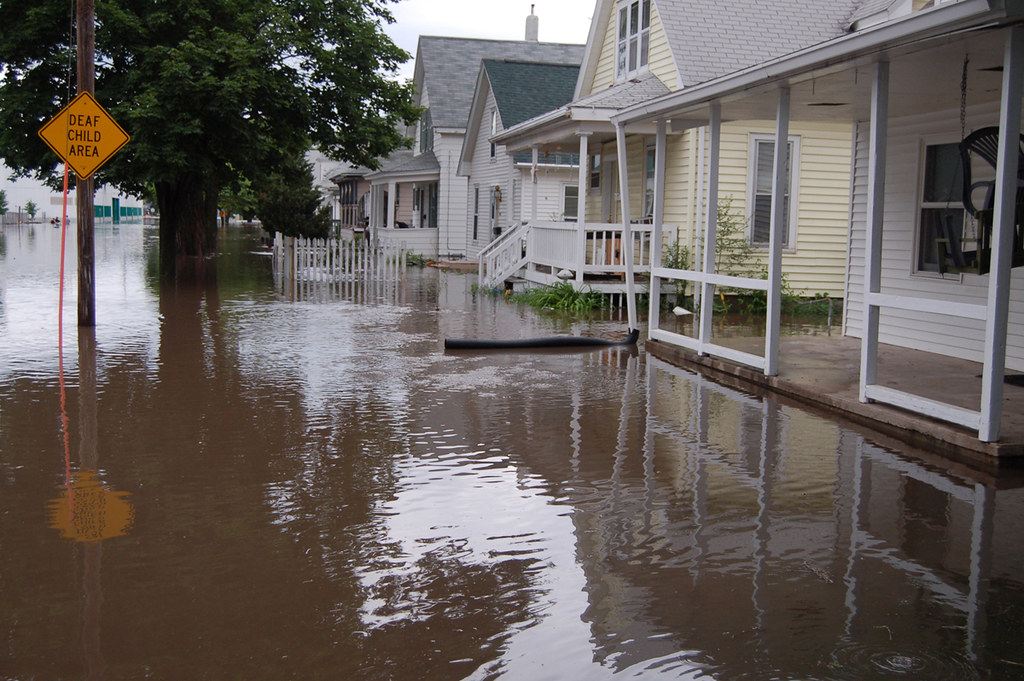
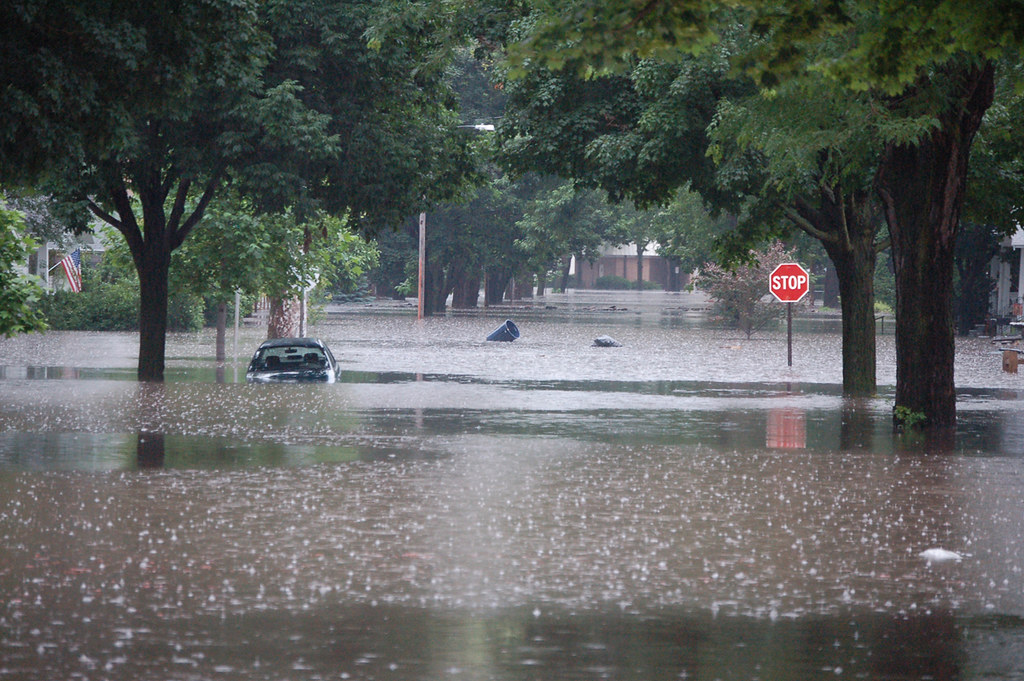
On October 22, 2026, the National Weather Service Salt Lake City issued a Flash Flood Warning for the Hurricane area from 9:52AM MDT through 11:45AM MDT. The storm impacted homeowners and businesses across Hurricane, Ivins, Santa Clara, and neighboring Washington County communities, leaving behind water damage that required fast, professional action.
Disaster Repair Team (DRT) responded immediately, mobilizing crews to affected properties throughout the region. This page documents what happened, how residents navigated the recovery process, and what every property owner in Southern Utah should know before the next event strikes.
If you are dealing with storm or flood damage right now, we are ready to help — 24/7.
Call DRT now: 385-287-6344
What Homeowners and Businesses Did After the Flood — And What You Should Do Too
In the hours and days following the October 2026 flash flood warning, the property owners who fared best were the ones who acted quickly and followed a clear plan. Here is the step-by-step approach DRT guided our clients through — and the same process we recommend to anyone dealing with flood or water damage:
- Prioritize safety first. Before re-entering any flooded structure, residents confirmed that the building was structurally sound and that utilities had been shut off or inspected. No belongings are worth a preventable injury.
- Document everything before cleanup begins. Homeowners photographed and videoed all visible damage — walls, floors, ceilings, personal property, and exterior areas — before moving or discarding anything. This documentation proved critical when filing insurance claims.
- Avoid structurally compromised areas. Any area showing signs of sagging ceilings, bowing walls, or undermined foundations was treated as off-limits until a professional could assess the structure.
- Contact your insurance company promptly. Policyholders who notified their insurer early had a smoother claims process. DRT worked directly with adjusters on behalf of our clients to help ensure nothing was overlooked.
- Call DRT to begin professional restoration. The sooner water extraction and structural drying began, the less secondary damage — including mold — homeowners faced. Many clients who called within the first 24 hours avoided the extensive mold remediation that delayed recovery for others who waited.
Dealing with flood or water damage? Do not wait. Call DRT: 385-287-6344
How DRT Responded to the October 2026 Flash Flood
When the flash flood warning was issued, DRT crews were already on standby. As the storm moved through Hurricane, Ivins, Santa Clara, and surrounding areas, our team deployed to assess and begin restoration at affected properties.
Services DRT provided in the aftermath of this event included:
- Emergency water extraction — Standing water was removed rapidly to minimize structural absorption and reduce the risk of mold growth.
- Structural drying — Industrial drying equipment was placed throughout affected spaces to bring moisture levels back to safe baselines.
- Board-up and property securing — Where exterior damage left properties vulnerable, DRT secured openings to prevent additional damage or intrusion.
- Mold remediation — For properties where water had been present longer, or where previous moisture issues existed, DRT performed thorough mold assessment and remediation.
- Smoke and soot removal — In cases where flood events intersected with other damage types, DRT provided full-spectrum restoration.
- Full rebuild coordination — DRT managed the rebuild process end-to-end for clients who sustained significant structural damage, coordinating trades and communicating with insurers throughout.
- Direct insurance coordination — DRT worked directly with insurance companies on behalf of property owners, helping to document losses, support claims, and reduce the administrative burden on families already under stress.
DRT is Southern Utah's locally based restoration team. We know these communities, these neighborhoods, and what it takes to recover from the specific flooding patterns that affect Washington County. When this event hit, we were not learning on the job — we had been through it before.
Lessons Learned from the October 2026 Flash Flood
Every storm teaches something. Here is what DRT and our clients took away from the October 2026 event — practical knowledge that can help every Washington County property owner be better prepared for the future.
1. Speed is the single biggest factor in recovery outcomes.
Properties where water extraction began within hours sustained significantly less secondary damage than those where water sat for even a day or two. Mold can begin developing within 24–48 hours in Utah's high-desert heat. The homeowners who called DRT immediately — even before their insurance company had assigned an adjuster — had faster, less expensive recoveries.
2. Flash floods in Washington County can be deceptively fast and severe.
Southern Utah's terrain channels water rapidly. What looks like a minor rain event upstream can become a dangerous surge through communities like Hurricane and Santa Clara within minutes. Many residents were caught off guard by how quickly conditions developed on October 22. Building awareness of your property's flood risk — even if you are not in a mapped floodplain — is essential.
3. Documentation before cleanup is non-negotiable.
Several property owners who began cleanup before thoroughly documenting damage had difficulty substantiating the full scope of their losses to their insurance carriers. Photos and video taken before anything is moved or discarded are your most important recovery tool after safety is confirmed.
4. Know your insurance policy before the next storm.
Standard homeowners insurance typically does not cover flooding. Many Washington County residents discovered during the October 2026 event that they lacked flood coverage through FEMA's National Flood Insurance Program (NFIP) or a private flood policy. Reviewing your coverage now — before the next event — is one of the most impactful steps you can take.
5. Having a trusted restoration contractor already in mind saves critical time.
In the aftermath of a regional storm event, restoration capacity fills up quickly. Property owners who already knew to call DRT were able to get crews on-site faster than those who spent hours searching for a qualified contractor while water continued to damage their homes. Save our number now: 385-287-6344.
6. Mold is a secondary disaster — but a preventable one.
In the weeks following the October 2026 flood, DRT received calls from property owners who had dried out their homes themselves but were now finding mold in walls, under flooring, and in crawl spaces. Professional moisture mapping and structural drying equipment reaches areas that fans and open windows cannot. Skipping professional drying to save money often costs more in the long run.
DRT: Southern Utah's Experienced Local Restoration Team
Disaster Repair Team is based in Southern Utah and serves Hurricane, Ivins, Santa Clara, Washington, St. George, and surrounding Washington County communities. We have responded to flash floods, water damage, fire damage, and storm events throughout the region — and we bring that local experience to every job.
We are not a national franchise dispatching crews from out of state. We are your neighbors, and we understand what Southern Utah properties face.
When the next storm hits, DRT will be ready. And we are ready right now if you are dealing with damage today.
Contact DRT for Flood and Water Damage Restoration
Whether you are recovering from the October 2026 event, dealing with a new water damage situation, or simply want to know what to do if flooding hits your property, DRT is here to help. We offer 24/7 emergency response and work directly with your insurance company.
Call DRT 24/7: 385-287-6344
Serving Hurricane, Ivins, Santa Clara, Washington, St. George, and all of Washington County, Utah.
Coverage and claim requirements depend on your policy and the cause of damage. Contact your insurer to confirm coverage before authorizing work. Keep photos and receipts when safe to do so.
Frequently Asked Questions
What should I do first?
Does insurance cover restoration?
How soon can restoration begin?
DRT serves Hurricane and surrounding areas. View our full Hurricane service area page for more about our restoration services in your area, or browse all service areas.
Need Help Now?
The Disaster Repair Team provides 24/7 emergency restoration services across Utah.
Request Help Online