Emergency Flood & Water Damage Restoration — Hurricane
- Recovery resources and next steps
- Insurance claim guidance
- Lessons learned for future prevention
- Professional restoration support
Follow local emergency guidance. Stay out of unsafe areas and call emergency services if there is immediate danger.
Live Conditions
Real-time weather radar for Utah
How DRT Helped Hurricane, Ivins, Santa Clara & Surrounding Communities Recover from the October 2026 Flash Flood
On October 22, 2026, the National Weather Service Salt Lake City issued a Flash Flood Warning at 3:41 PM MDT, effective through 6:45 PM MDT. Within hours, homes and businesses across Hurricane, Ivins, Santa Clara, and neighboring Washington County communities experienced flooding, water intrusion, and property damage that would affect families for weeks to come.
The Disaster Repair Team (DRT) responded immediately — and this page documents what happened, how we helped, and what every Southern Utah homeowner and business owner should know if they face flooding again.
If you're dealing with flood or water damage right now, don't wait — call us 24/7:
385-287-6344
What the October 2026 Flash Flood Looked Like on the Ground
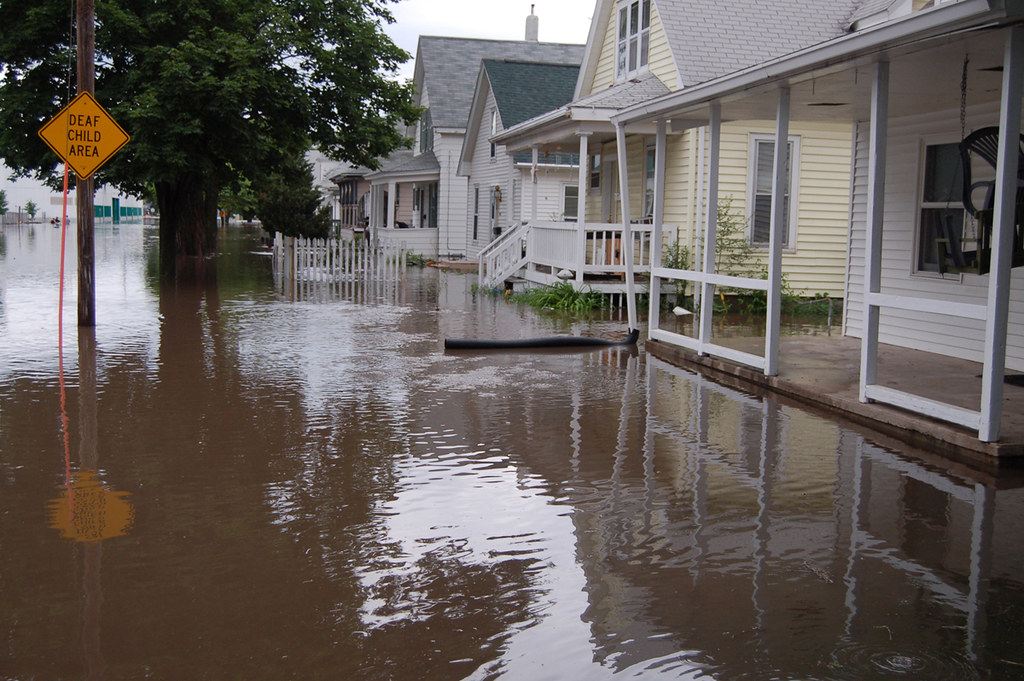
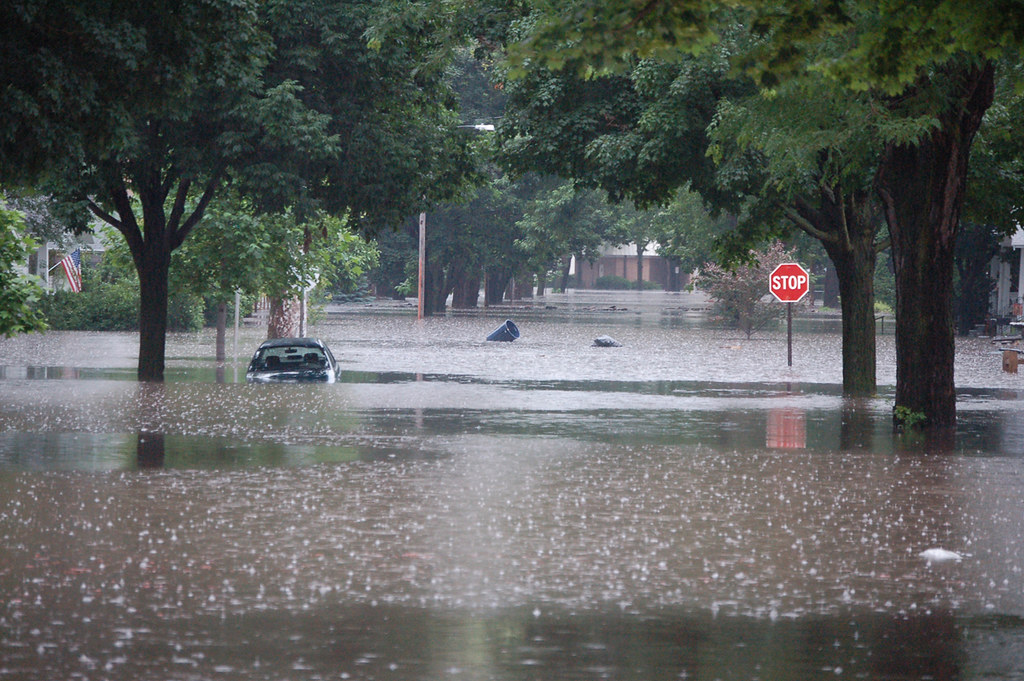
Flash floods in Washington County can escalate with little warning. The October 2026 event was no exception. Within minutes of the NWS warning, water moved rapidly through low-lying neighborhoods, entered garages and ground-floor living spaces, and overwhelmed drainage infrastructure in areas of Hurricane and Santa Clara. Residents who had never flooded before found themselves with inches of standing water and no clear plan of action.
DRT crews were already staged and responding before the warning expired.
---What Homeowners and Businesses Did (And What You Should Do After Any Flood)
In the aftermath of the October 2026 flood, the homeowners and business owners who fared best followed a clear set of steps. If you're recovering from any flooding event, this is the same process we recommend:
- Prioritize your family's safety first. Do not re-enter your home until authorities confirm it is safe to do so.
- Document all damage immediately with photos and video before anything is moved, cleaned, or discarded. This documentation is critical for your insurance claim.
- Do not enter structurally compromised areas. Floodwater can weaken floors, walls, and foundations in ways that aren't visible to the eye.
- Contact your insurance company as soon as possible to open a claim and understand your coverage.
- Call DRT for professional restoration. Standing water begins causing secondary damage — mold growth, structural deterioration, and air quality issues — within 24 to 48 hours. Speed matters.
Call DRT now: 385-287-6344 — We're available 24/7 for flood and water damage emergencies throughout Hurricane, Ivins, Santa Clara, Washington, St. George, and surrounding communities.
---How DRT Responded to the October 2026 Flood
DRT provided full-spectrum emergency restoration services to affected properties across the Hurricane area, including:
- Emergency water extraction — removing standing water quickly to minimize damage to flooring, drywall, and structural materials
- Industrial structural drying — deploying commercial dehumidifiers and air movers to dry out walls, subfloors, and cavities that hold hidden moisture
- Mold remediation — identifying and treating mold growth that began in the days following the flood event
- Board-up and emergency securing — protecting damaged properties from further exposure
- Smoke and soot removal — for properties that experienced secondary fire or electrical damage
- Full rebuild coordination — managing repairs from drywall and flooring replacement through complete structural restoration
- Direct insurance coordination — working alongside adjusters and carriers to document damage thoroughly and streamline the claims process for our customers
Lessons Learned: What the October 2026 Flood Taught Southern Utah Homeowners
Every major weather event leaves behind knowledge that can protect the next community that faces the same situation. Here is what the October 2026 flash flood made clear:
1. Flash Floods Move Faster Than People Expect
The window between a NWS warning and significant property impact can be less than 30 minutes in Washington County's high-desert terrain. Having a plan before a warning is issued — not after — made a measurable difference for the families who were best prepared.
2. Hidden Moisture Is the Costliest Mistake
Several homeowners who attempted to manage the cleanup themselves with consumer-grade wet vacuums and fans discovered weeks later that moisture had remained trapped inside wall cavities and under flooring. The result was mold growth that required far more extensive — and expensive — remediation than the original water damage would have. Professional moisture mapping and drying equipment is not optional; it's the difference between a resolved claim and a recurring problem.
3. Documentation Wins Claims
Homeowners who photographed and video-recorded damage before any cleanup began received faster claim approvals and more complete settlements. Those who cleaned up first and documented later often faced disputes with their carriers. When in doubt: document everything, then call your insurer and DRT.
4. Response Time Is Everything
The properties that sustained the least long-term damage were those where professional water extraction began within the first few hours. Mold can begin colonizing wet materials within 24 to 48 hours. Every hour of delay increases the scope of restoration needed.
5. Local Experience Matters
DRT's crews knew the neighborhoods, the drainage patterns, and the building characteristics common to Washington County construction. That local knowledge meant faster mobilization, smarter drying strategies, and better outcomes for our customers. Southern Utah's climate — high heat, low humidity, and abrupt intense rainfall — creates unique flood dynamics that a national franchise may not fully understand.
6. Insurance Coordination Shouldn't Fall on the Homeowner Alone
Navigating an insurance claim while simultaneously managing a displaced family and a damaged home is overwhelming. Homeowners who worked with DRT — a team experienced in direct insurance coordination — reported a smoother, faster process. We handled the documentation, the adjuster communication, and the scope-of-work details so families could focus on getting back to normal.
---DRT: Southern Utah's Local Flood and Water Damage Restoration Team
The Disaster Repair Team is based in Southern Utah and has served Hurricane, Ivins, Santa Clara, Washington, St. George, and surrounding communities through multiple weather events. We are not a national call center. When you call DRT, you reach a local team that knows your community, responds fast, and sees the job through from emergency extraction to final rebuild.
We provide:
- 24/7 emergency response — no after-hours delay
- Water extraction and structural drying
- Mold remediation and prevention
- Board-up and emergency securing
- Full property restoration and rebuild coordination
- Direct insurance company coordination
If your home or business has experienced flooding — whether from a named event or a private plumbing failure — the advice and the team are the same. Call DRT and let us assess the damage before it gets worse.
📞 Call or text DRT 24/7: 385-287-6344
DRT has served Washington County and the greater Southern Utah region through flooding, fire, and storm events. This page was created as a community resource following the October 22, 2026 Flash Flood Warning issued by NWS Salt Lake City and documents the response and recovery efforts that followed.
Coverage and claim requirements depend on your policy and the cause of damage. Contact your insurer to confirm coverage before authorizing work. Keep photos and receipts when safe to do so.
Frequently Asked Questions
What should I do first?
Does insurance cover restoration?
How soon can restoration begin?
DRT serves Hurricane and surrounding areas. View our full Hurricane service area page for more about our restoration services in your area, or browse all service areas.
Need Help Now?
The Disaster Repair Team provides 24/7 emergency restoration services across Utah.
Request Help Online