October 2026 Flash Flood Warning — Hurricane, Ivins, Santa Clara & more — Emergency Restoration
- Recovery resources and next steps
- Insurance claim guidance
- Lessons learned for future prevention
- Professional restoration support
Follow local emergency guidance. Stay out of unsafe areas and call emergency services if there is immediate danger.
Live Conditions
Real-time weather radar for Utah
- Do NOT stand in water near electrical outlets or appliances
- Shut off main water supply if the source is a pipe or appliance
- Turn off electricity to affected areas at the breaker — only if safe to reach
- Do NOT use household vacuums on standing water
- Move to higher ground if water is rising rapidly
How DRT Helped Utah Recover from the October 2026 Flash Flood — Hurricane, Ivins, Santa Clara & More
On October 22, 2026, the National Weather Service Salt Lake City issued a Flash Flood Warning at 3:41 PM MDT, affecting communities across Washington County including Hurricane, Ivins, Santa Clara, and surrounding areas. The warning remained in effect until 6:45 PM MDT — but the damage it left behind lasted far longer.
The Disaster Repair Team (DRT) responded immediately and worked alongside homeowners, business owners, and insurance adjusters throughout the recovery process. This page documents what happened, how residents responded, and what we all learned — so that the next time severe weather threatens Southern Utah, our community is better prepared.
If you're dealing with flood damage now — whether from this event or another — we're here. Call DRT 24/7: 385-287-6344
What the October 2026 Flash Flood Looked Like on the Ground
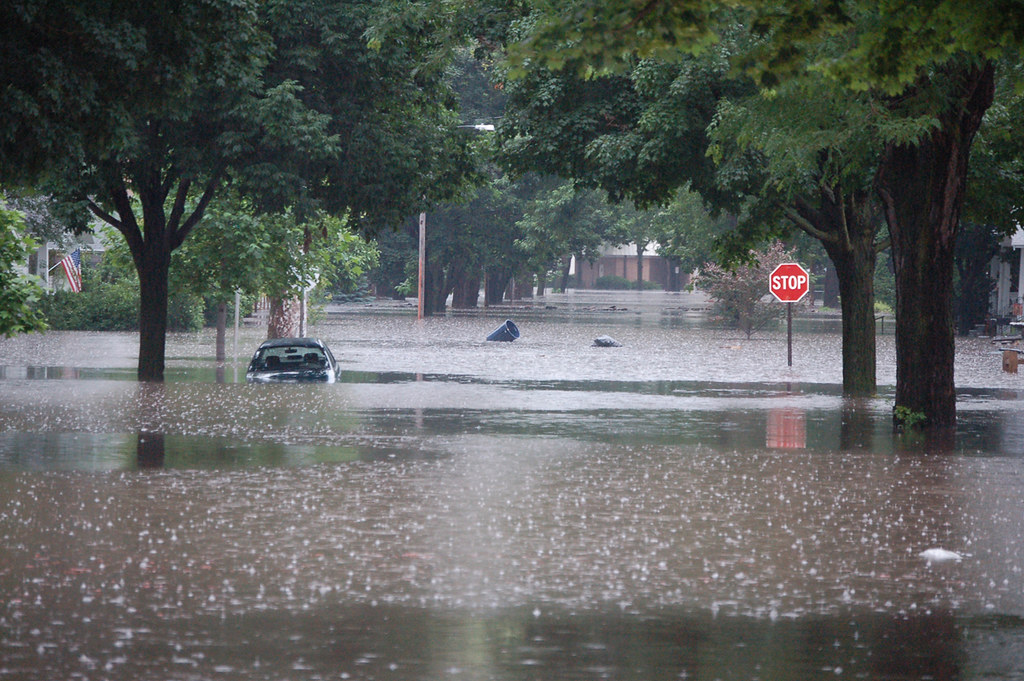
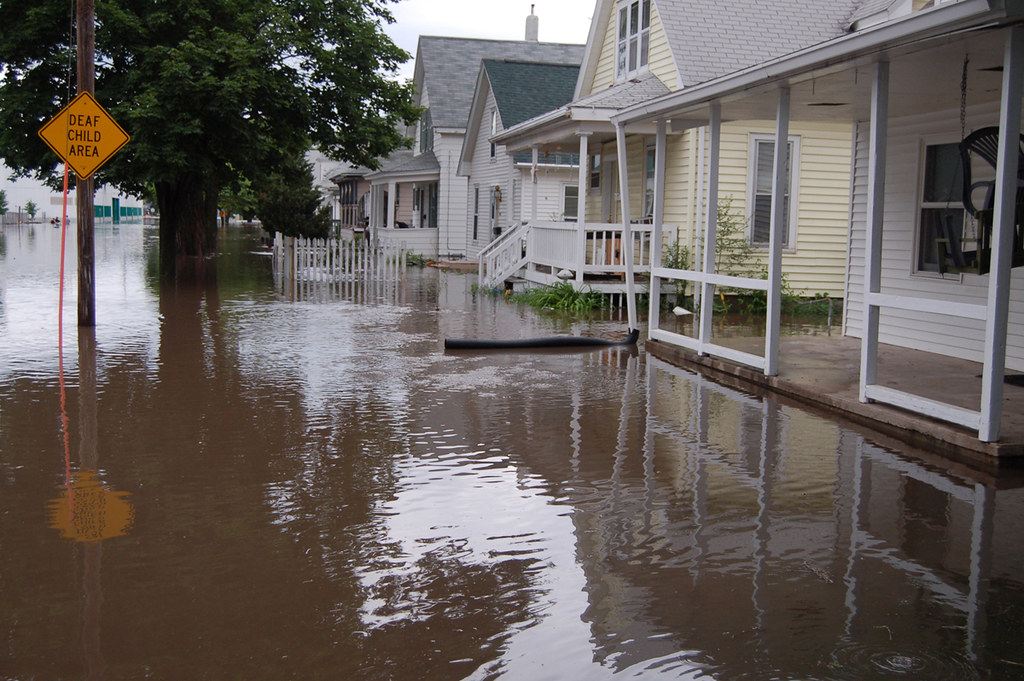
Flash floods in Washington County move fast. Within minutes of heavy rainfall, water was channeling through roadways, entering ground-floor structures, and saturating foundations across affected neighborhoods. Many homeowners had little to no warning before water began entering their homes.
DRT crews were mobilized before the warning expired and began assessments that same evening. In the days that followed, we extracted standing water, deployed industrial drying equipment, coordinated with insurance carriers, and managed full structural remediation for dozens of properties across the region.
What Homeowners Did Right (and What Made Recovery Harder)
Looking back at the October 2026 response, the homeowners who recovered fastest shared a few things in common. Here's what the most prepared residents did — and what we'd recommend to anyone facing flood damage:
- Prioritized family safety first — Residents who waited for floodwaters to stabilize before re-entering their homes avoided injury and gave emergency crews room to work.
- Documented all damage immediately with photos and video — Thorough documentation from the start made insurance claims significantly smoother and faster.
- Avoided structurally compromised areas — Floors, walls, and ceilings weakened by water can fail without warning. Homeowners who stayed out until a professional assessed the structure protected themselves from serious harm.
- Contacted their insurance company early — Opening a claim promptly kept the process moving. DRT worked directly with adjusters to streamline documentation and approvals.
- Called DRT quickly — Water damage compounds over time. Mold can begin developing within 24–48 hours. The homeowners who called us soonest after the event experienced less secondary damage and lower overall restoration costs.
Dealing with flood damage? Don't wait — call DRT now: 385-287-6344
How DRT Responded: Services Deployed After the October 2026 Flood
Our team provided comprehensive emergency restoration services throughout the affected communities, including:
- Emergency water extraction — Removing standing water as quickly as possible to limit structural saturation
- Structural drying — Industrial air movers and dehumidifiers deployed to dry wall cavities, subfloors, and framing
- Mold remediation — Identifying and treating mold growth that developed in the days following the flood
- Board-up and securing — Protecting damaged properties from further exposure or intrusion
- Full rebuild coordination — Managing reconstruction from initial demo through final finish work
- Direct insurance billing — Working with your carrier so you didn't have to manage the paperwork alone
DRT provides 24/7 emergency restoration services across Washington County. We know this region, we know its flood patterns, and we've helped your neighbors get back on their feet before.
Lessons Learned: What the October 2026 Flood Taught Us
Every major weather event teaches us something. Here's what DRT and the communities we served took away from the October 2026 flash flood:
1. Flash floods in Southern Utah require a local response
The geography of Washington County — its canyon mouths, wash systems, and hard-packed desert soil — means that floodwater moves differently here than almost anywhere else. National restoration chains often underestimated how quickly conditions changed. Local knowledge matters.
2. The first 24 hours are the most critical
Properties where water extraction began within hours of the event consistently showed less structural damage and lower mold risk than those where remediation was delayed even by a day. Speed is not optional — it's the difference between restoration and replacement.
3. Documentation can't be an afterthought
Homeowners who photographed and video-recorded damage before anything was moved or touched had far fewer disputes with their insurance carriers. We now encourage every client to document first, then call us — even if it only takes five minutes.
4. Mold doesn't wait for the paperwork to clear
Several properties we visited a week after the event had visible mold growth in wall cavities despite appearing dry on the surface. Moisture meters and thermal imaging — not visual inspection alone — are essential to confirm a space is truly dry.
5. Having a restoration contact before disaster strikes makes everything easier
Homeowners who already knew DRT's number, or had worked with us before, got faster response and smoother outcomes. We encourage every Washington County resident to save our number now, before you need it.
DRT Is Your Local Flood Recovery Team
We've been through this before. We know what flash flooding does to homes in Hurricane, Ivins, Santa Clara, and across Washington County — and we know how to fix it. When the next warning is issued, DRT will be ready. And if you're dealing with damage right now, we're already ready for you.
- ✅ 24/7 emergency response
- ✅ Local Southern Utah team
- ✅ Direct insurance billing
- ✅ Water extraction, drying, mold remediation & full rebuild
Call DRT now for immediate assistance: 385-287-6344
Not an emergency right now? Contact us online to schedule an inspection or ask about our services. We're here when you need us.
Affected Areas
Select a city for location-specific emergency information and restoration resources.
Planning Next Steps
Call to discuss the situation and current availability. An assessment can help determine the appropriate scope, timing, and documentation. Response and restoration times depend on conditions and are not guaranteed.
Need Help Now?
The Disaster Repair Team provides 24/7 emergency restoration services across Utah.
Request Help Online