Emergency Flood & Water Damage Restoration — St. George
- Recovery resources and next steps
- Insurance claim guidance
- Lessons learned for future prevention
- Professional restoration support
Follow local emergency guidance. Stay out of unsafe areas and call emergency services if there is immediate danger.
Live Conditions
Real-time weather radar for Utah
How DRT Helped St. George Recover from the October 2026 Flash Flood — A Community Recovery Guide
Serving Hurricane, Ivins, Santa Clara, Washington City, and Greater St. George
On October 22, 2026, the National Weather Service Salt Lake City issued a Flash Flood Warning for the St. George area, effective from 3:41 PM MDT until 6:45 PM MDT. Within hours, homes and businesses across Washington County — including neighborhoods in Hurricane, Ivins, Santa Clara, and Washington City — experienced water intrusion, structural damage, and the kind of chaos that only a sudden flash flood can bring.
The Disaster Repair Team (DRT) was on the ground responding before the warning had even expired. This page serves as a permanent resource for anyone who went through that event — or any flooding event in Southern Utah — and needs guidance on what comes next.
If you're still dealing with damage from the October 2026 flood or any subsequent flooding event, we're here. Call DRT 24/7: 385-287-6344
What Happened: The October 22, 2026 Flash Flood Warning
Flash flood events in Washington County are not uncommon — the region's red rock terrain, hardpan soil, and canyon geography create conditions where heavy rainfall rapidly becomes dangerous runoff. The October 2026 event was a stark reminder of how quickly conditions can change and how unprepared even seasoned residents can be caught off guard.
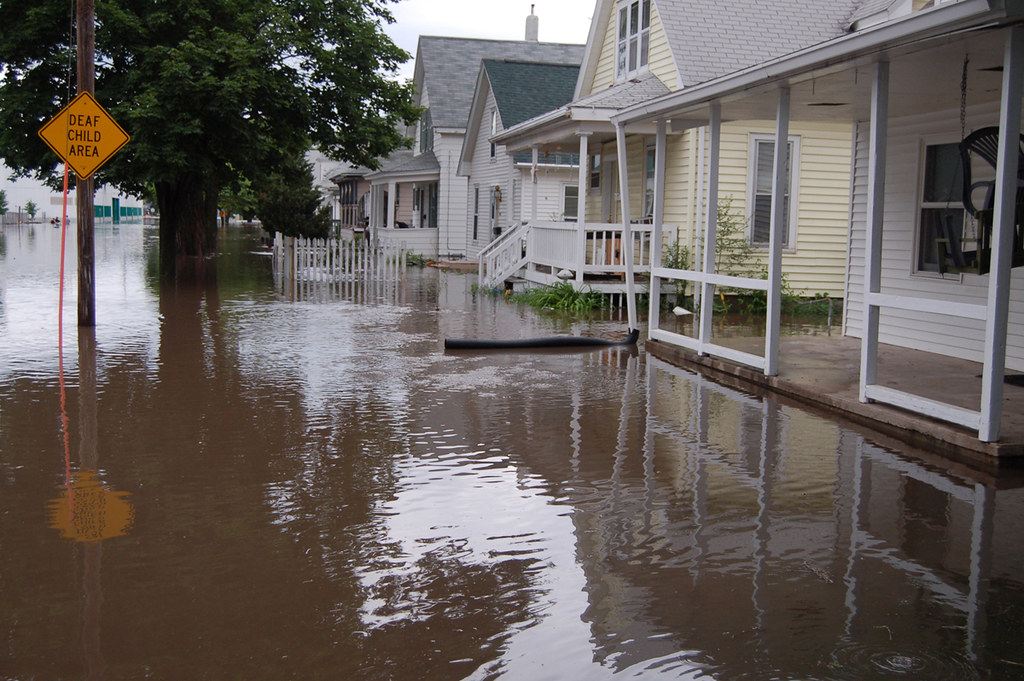
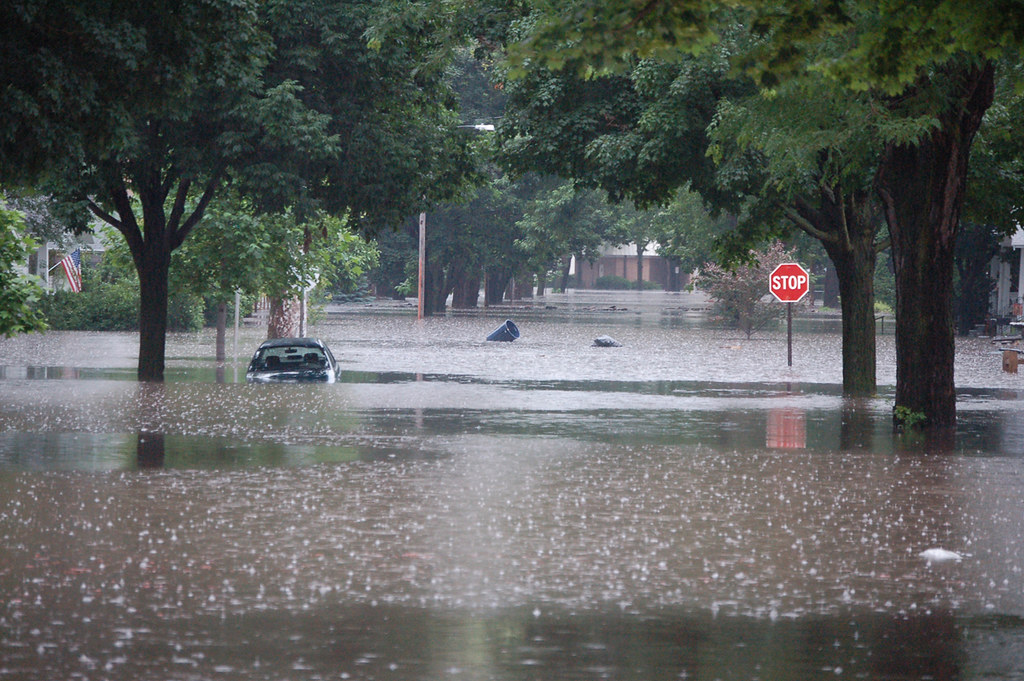
Flood waters pushed through washes, overwhelmed drainage infrastructure, and found their way into properties across the region. DRT received calls from residents throughout St. George, Hurricane, Ivins, and Santa Clara reporting water in crawl spaces, garages, finished basements, and ground-floor living areas.
What to Do After a Flash Flood: The Steps That Mattered
Whether you're recovering from the October 2026 event or a future flood, the following steps are what DRT advised — and what made the biggest difference for homeowners and business owners who followed them promptly.
- Prioritize your family's safety above all else. Before returning to any flooded property, confirm that utilities have been shut off and that the structure is safe to enter. When in doubt, wait for a professional assessment.
- Document everything before cleanup begins. Photograph and video every affected area, every damaged item, and every visible water line. This documentation became essential for insurance claims after the October flood.
- Do not enter structurally compromised areas. Flood water can undermine foundations, weaken walls, and compromise flooring. If anything looks or feels unstable, stay out until it has been inspected.
- Contact your insurance company as soon as possible. Early notification put homeowners in a better position to move quickly on repairs and avoid delays in claim processing.
- Call a professional restoration team immediately — not days later. The first 24–48 hours after water intrusion are critical. Mold can begin developing within 24–48 hours, and structural materials absorb moisture rapidly. Homeowners who called DRT within the first day saw significantly better outcomes than those who waited.
Ready to talk through your situation? Call DRT any time: 385-287-6344
How DRT Responded to the October 2026 Flood
DRT mobilized crews across Washington County within hours of the warning being issued. Our teams provided the following services to affected properties throughout the St. George area:
- Emergency water extraction — Removing standing water quickly to minimize absorption into walls, flooring, and subfloor materials
- Structural drying — Industrial air movers and dehumidifiers deployed to dry out wall cavities, crawl spaces, and flooring systems
- Board-up and weatherproofing — Securing properties where windows, doors, or exterior elements had been compromised
- Mold remediation — Treating and preventing mold growth in areas where moisture had penetrated building materials
- Smoke and soot removal — Addressing any secondary damage from related incidents
- Full rebuild coordination — Managing the repair and reconstruction process from initial assessment through final walkthrough
- Direct insurance coordination — Working alongside homeowners and their insurance adjusters to document damage, support claims, and streamline the approval process
DRT is a local Washington County team. We know the neighborhoods, the soil conditions, the typical flood paths, and the specific challenges that Southern Utah properties face. That local knowledge made our response faster and more effective.
Lessons Learned: What the October 2026 Flood Taught Our Community
Every disaster event leaves behind hard-won knowledge. Here is what DRT observed and what we shared with the community in the months that followed the October 2026 flood.
1. Time is the most expensive variable in flood recovery.
Homeowners who reached out within the first 12–24 hours consistently experienced less secondary damage — less mold, less structural deterioration, and lower overall repair costs. Waiting, even by a day or two, allowed moisture to migrate further into building materials and created conditions for mold colonization.
2. DIY drying is rarely sufficient.
Several homeowners attempted to dry out flooded areas using household fans and open windows. In nearly every case, moisture remained trapped in wall cavities and under flooring — invisible to the eye but detectable with professional moisture meters. That hidden moisture led to mold problems weeks later. Professional-grade equipment is not optional in a true flood event; it is essential.
3. Documentation done early protects you throughout the process.
Homeowners who photographed damage thoroughly before any cleanup began had smoother insurance experiences. Those who started cleanup before documenting sometimes struggled to substantiate the full scope of their losses. When in doubt, document first.
4. Flash floods in Southern Utah follow predictable paths — and your property may be at risk even if it wasn't this time.
Washington County's geography means that flood risk is not limited to properties near rivers or streams. Sheet flow across hardpan soil, overloaded culverts, and fast-moving wash overflow can affect properties that have never flooded before. Consider having your property's drainage assessed before the next monsoon season.
5. Having a restoration contact before disaster strikes changes the experience.
Homeowners who already knew about DRT — or had DRT's number saved — were able to get help faster. Those who had to research restoration companies while dealing with active flooding lost critical response time. Save our number now: 385-287-6344.
6. Insurance coordination should not be left entirely to the homeowner.
Navigating an insurance claim while simultaneously managing a damaged property is overwhelming. DRT's experience working directly with insurance adjusters helped homeowners avoid underpayment and ensured that the full scope of damage was properly documented and submitted.
DRT: Southern Utah's Local Flood and Disaster Recovery Team
DRT has responded to flooding events throughout Washington County, including communities in St. George, Hurricane, Ivins, Santa Clara, Washington City, La Verkin, and surrounding areas. We are not a national franchise dispatching crews from out of state. We are a local team, familiar with this region's specific challenges, and committed to the communities we serve.
If your home or business was affected by the October 2026 flood, or if you are dealing with any water damage, mold, fire damage, or disaster-related repair need, DRT is ready to help.
- 24/7 emergency response
- Free damage assessment
- Direct insurance billing and coordination
- Full-service restoration and rebuild
- Local Washington County team
Call DRT now — 24 hours a day, 7 days a week: 385-287-6344
Or use our contact form below to request a callback and free assessment.
Coverage and claim requirements depend on your policy and the cause of damage. Contact your insurer to confirm coverage before authorizing work. Keep photos and receipts when safe to do so.
Frequently Asked Questions
What should I do first?
Does insurance cover restoration?
How soon can restoration begin?
DRT serves St. George and surrounding areas. View our full St. George service area page for more about our restoration services in your area, or browse all service areas.
Need Help Now?
The Disaster Repair Team provides 24/7 emergency restoration services across Utah.
Request Help Online