Emergency Flood & Water Damage Restoration — Santa Clara
- Recovery resources and next steps
- Insurance claim guidance
- Lessons learned for future prevention
- Professional restoration support
Mold can start growing within 24–48 hours of water exposure. Fast extraction and drying dramatically reduce secondary damage and health risks.
Live Conditions
Real-time weather radar for Utah
How DRT Helped Santa Clara Recover from the October 2026 Flash Flood Warning
A Recovery Case Study & Resource Guide — Hurricane, Ivins, Santa Clara & Surrounding Communities
On October 11, 2026, the National Weather Service Salt Lake City issued a Flash Flood Warning for Santa Clara and surrounding Washington County communities — including Hurricane and Ivins — from 12:18 PM MDT through 3:15 PM MDT. The Disaster Repair Team (DRT) responded immediately, helping homeowners and businesses across the area assess damage, begin extraction, and start the road to full recovery.
If your property was affected by this event — or any flooding since — this guide walks you through exactly what happened, what we did, and what you should do to protect your home and family after a flood.
Already dealing with flood damage? We're ready now.
Call DRT 24/7: 385-287-6344
What the October 2026 Flash Flood Looked Like on the Ground
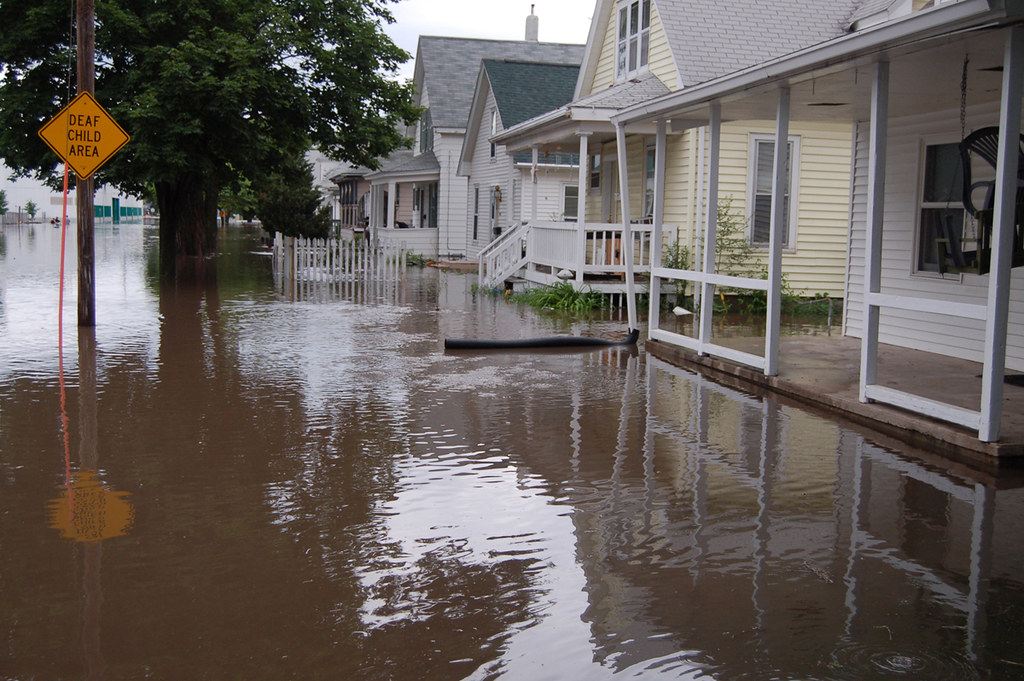
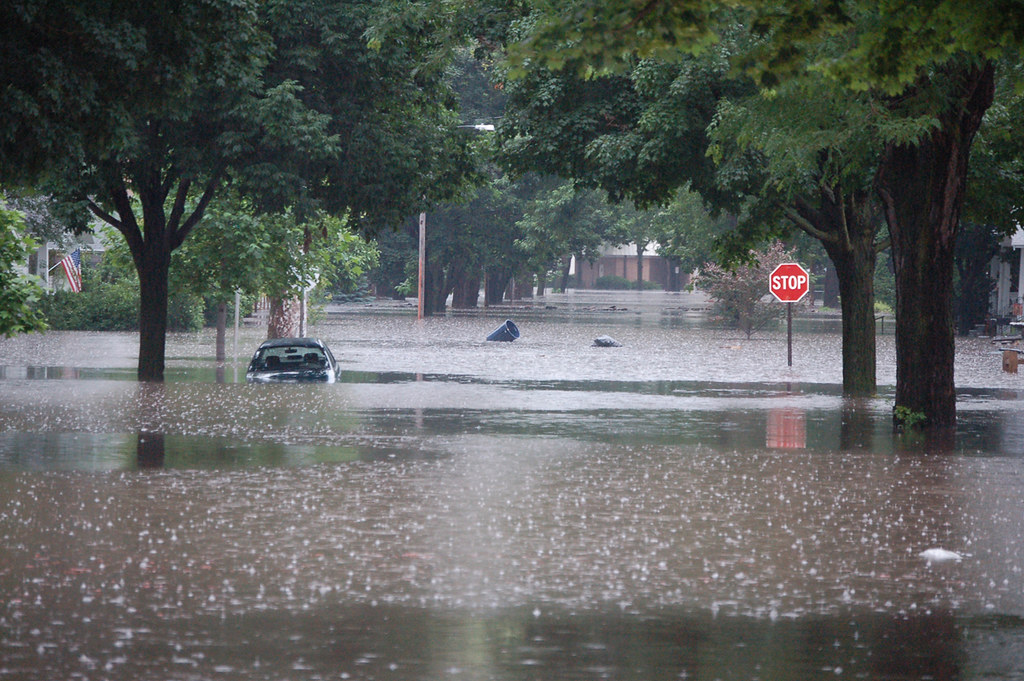
Flash flood events in Washington County move fast. When the warning was issued that October afternoon, water was already pushing into low-lying areas across Santa Clara, with runoff channeling into neighborhoods throughout Hurricane and Ivins. Properties that had never flooded before experienced water intrusion within minutes of peak flow. Crawl spaces, garages, and ground-floor living areas bore the brunt of the event.
DRT crews were mobilized and on-site across the affected area within hours of the warning, performing initial assessments and beginning water extraction before secondary damage — mold, structural swelling, and compromised insulation — had a chance to take hold.
What to Do After a Flash Flood: The Steps That Made a Difference
Whether you're recovering from the October 2026 event or a flood that happened more recently, the immediate steps you take determine how much damage your property sustains long-term. Here's what we advised — and what worked:
- Prioritize your family's safety first. Floodwater can carry contaminants, downed electrical hazards, and hidden structural damage. Do not re-enter your home until it has been cleared as safe.
- Document everything before cleanup begins. Photograph and video every affected room, wall, floor, and item. This documentation became critical for insurance claims after the October event.
- Do not enter structurally compromised areas. Saturated walls, buckled floors, and compromised foundations can fail without warning. Let a professional assess first.
- Contact your insurance company as soon as possible. Report the loss promptly and ask about your coverage for water damage, mold remediation, and temporary housing if needed.
- Call DRT to begin professional restoration. The faster water is extracted and drying begins, the less secondary damage occurs — and the lower your total restoration cost.
DRT works directly with your insurance company — so you don't have to navigate that process alone.
Call now: 385-287-6344
How DRT Responded: Services Deployed After the October 2026 Flood
When DRT crews arrived across Santa Clara, Hurricane, and Ivins following the October 2026 event, here's what the recovery process looked like:
- Emergency water extraction — Industrial-grade pumps and wet vacs removed standing water from affected interiors within the first hours on site.
- Structural drying — High-capacity dehumidifiers and air movers were deployed throughout affected spaces to prevent moisture from migrating into walls, subfloors, and framing.
- Board-up and property securing — Where entry points were compromised, we secured structures to prevent further damage and unauthorized access.
- Mold remediation — In properties where response was delayed or moisture had penetrated deeply, DRT performed full mold assessment and remediation to bring structures back to safe, livable condition.
- Smoke and soot removal — For properties affected by secondary fire damage during the emergency period.
- Full rebuild coordination — From drywall and flooring to complete structural rebuilds, DRT managed the restoration process end-to-end so homeowners had a single point of contact throughout recovery.
Lessons Learned: What the October 2026 Flood Taught Our Team — and This Community
Having worked through flooding events across Washington County over the years, the October 2026 flash flood reinforced several important lessons for homeowners and businesses in Santa Clara and the surrounding area:
1. Speed is the single biggest factor in total damage costs.
Properties where extraction began within the first few hours consistently saw less mold growth, less structural swelling, and lower total restoration costs than those where water sat for 24–48 hours. If you suspect flooding — even minor intrusion — don't wait to see how bad it gets. Call immediately.
2. Flash floods in Washington County don't need to rain on your street to flood your home.
Many homeowners in the October event were caught off guard because skies above their immediate neighborhood appeared clear. Upstream runoff from higher elevations funneled rapidly into lower-lying communities. Understanding your property's position relative to local drainage channels matters.
3. Photo documentation before cleanup is non-negotiable.
Several insurance claims from the October event were complicated by cleanup that began before thorough documentation. Even if you're anxious to start removing water and damaged materials, document first — every room, every angle.
4. Standard homeowner's insurance often doesn't cover flood damage.
This was a difficult lesson for some residents. Flood damage typically requires separate flood insurance (through NFIP or a private carrier). Review your policy now — before the next event — so you know what you're working with.
5. Having a restoration contractor's number saved before an emergency is worth more than you think.
Homeowners who called DRT early — including those who had our number from previous interactions — were scheduled and on-site faster than those who were searching for a contractor while standing in flooded rooms. Save our number now.
6. Mold doesn't wait for the restoration process to finish.
Mold can begin developing in saturated materials within 24–48 hours. Properties that received temporary drying equipment while full restoration was being coordinated fared significantly better than those that waited. Interim steps matter.
Why Washington County Homeowners Trusted DRT After the October 2026 Flood
DRT isn't a national chain dispatched from out of state when disaster strikes. We're a local Southern Utah restoration team that knows these communities, these soil conditions, and the way water moves through Washington County landscapes. When the October 2026 flash flood hit, our crews weren't learning the area — they were already here.
We've worked with homeowners and businesses across Santa Clara, Hurricane, Ivins, St. George, Washington City, and the broader area through multiple weather events. That local experience translates directly into faster response, better-informed assessments, and smoother coordination with local contractors and insurance adjusters.
- ✔ 24/7 emergency response
- ✔ Local Southern Utah team
- ✔ Direct insurance coordination
- ✔ Water extraction, structural drying, mold remediation, full rebuild
- ✔ Experience with Washington County flash flood events
Still Dealing with Flood Damage? It's Not Too Late to Call.
Whether your property was affected by the October 2026 event or a more recent flood, water damage that hasn't been fully addressed doesn't go away — it gets worse. Hidden moisture leads to mold. Saturated framing leads to rot. What feels like a minor issue today can become a major structural problem within weeks or months.
DRT is available 24 hours a day, 7 days a week for assessment and emergency restoration services throughout Santa Clara, Hurricane, Ivins, and surrounding Washington County communities.
Call DRT now for a professional assessment: 385-287-6344
Don't wait to find out how much damage is hiding behind your walls. Our team has been through this before — and we'll help you get your home or business back to the way it was.
```Most homeowner policies cover sudden water damage (burst pipes, appliance failures). Natural flooding typically requires separate flood insurance. Either way, DRT documents everything from day one — moisture readings, photos, scope of work — so your claim is supported whether it goes through your standard policy or a flood policy.
Frequently Asked Questions
How quickly does mold grow after flooding?
Will my homeowner's insurance cover flood damage restoration?
What should I NOT do after my home floods?
How quickly can DRT respond?
Do I need to file my insurance claim before calling DRT?
DRT serves Santa Clara and surrounding areas. View our full Santa Clara service area page for more about our restoration services in your area, or browse all service areas.
Need Help Now?
The Disaster Repair Team provides 24/7 emergency restoration services across Utah.
Request Help Online