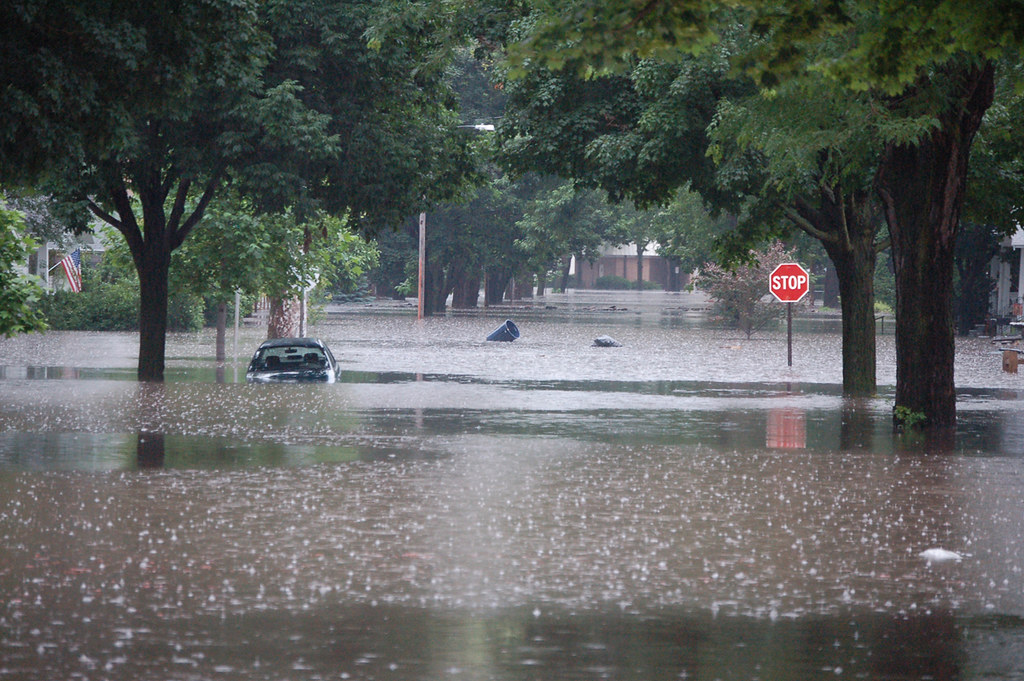
October 2026 Flash Flood Warning — Hurricane, Ivins, Santa Clara & more — Emergency Restoration
- Recovery resources and next steps
- Insurance claim guidance
- Lessons learned for future prevention
- Professional restoration support
Mold can start growing within 24–48 hours of water exposure. Fast extraction and drying dramatically reduce secondary damage and health risks.
Live Conditions
Real-time weather radar for Utah
- Do NOT stand in water near electrical outlets or appliances
- Shut off main water supply if the source is a pipe or appliance
- Turn off electricity to affected areas at the breaker — only if safe to reach
- Do NOT use household vacuums on standing water
- Move to higher ground if water is rising rapidly
How DRT Helped Utah Recover from the October 2026 Flash Flood — Hurricane, Ivins, Santa Clara & Surrounding Areas
On October 11, 2026, the National Weather Service Salt Lake City issued a Flash Flood Warning at 12:18 PM MDT, affecting communities across Washington County — including Hurricane, Ivins, Santa Clara, and neighboring areas. The warning remained in effect until 3:15 PM MDT, but the damage left behind lasted far longer.
The Disaster Repair Team (DRT) responded immediately, mobilizing crews across the affected region to help homeowners and businesses begin the recovery process. This page serves as a permanent resource for anyone impacted by that event — or any flash flood affecting Southern Utah — documenting what happened, how residents responded, and what DRT's team did to restore properties to pre-loss condition.
If you're dealing with flood damage now, we're still here. Call us 24/7: 385-287-6344
What Happened: The October 2026 Flash Flood Event
Flash flooding in Southern Utah can escalate with little warning. On October 11, 2026, rapidly moving water caused by concentrated rainfall overwhelmed drainage systems and low-lying areas across Washington County. Within hours, DRT crews were on the ground in Hurricane, Ivins, Santa Clara, and surrounding communities, assessing structural damage, beginning water extraction, and helping property owners document losses for insurance claims.
The speed of the flooding — and the volume of sediment-laden water — meant that many homes and businesses sustained significant damage to flooring, drywall, insulation, and structural framing in a very short window of time.
What Property Owners Did Right: A Post-Flood Action Guide
The homeowners and business owners who recovered most efficiently from the October 2026 flood were those who took the right steps quickly. Here's what worked:
- Prioritized family safety first — Residents who waited for official all-clear before re-entering properties avoided injuries from unstable structures and contaminated water.
- Documented all damage with photos and video — Thorough photo and video documentation taken before cleanup began proved essential for insurance claims and sped up the settlement process.
- Avoided structurally compromised areas — Floodwater can silently weaken floors, walls, and foundations. Waiting for a professional assessment before re-entering saved lives.
- Contacted their insurance company early — Filing claims quickly and providing solid documentation helped many property owners move through the claims process faster.
- Called DRT right away — The sooner water extraction and structural drying began, the less secondary damage — particularly mold — property owners faced in the weeks that followed.
Dealing with flood damage? These steps still apply. Call DRT now: 385-287-6344
How DRT Responded: Services Deployed After the October 2026 Flood
DRT crews responded across the affected region, providing the full range of emergency and restoration services that flood events demand:
- Emergency water extraction — Industrial pumps and vacuums removed standing water from homes and businesses as quickly as possible to limit structural saturation.
- Structural drying — High-capacity dehumidifiers and air movers were deployed throughout affected properties to dry walls, subfloors, and framing to safe moisture levels.
- Board-up and tarping — Where flooding compromised building envelopes, DRT secured properties against further weather exposure.
- Mold remediation — In the weeks following the flood, DRT returned to properties where moisture had not been fully addressed to perform professional mold assessment and remediation.
- Smoke and soot removal — Where flood events coincided with other fire or smoke damage, DRT handled full-scope remediation.
- Full rebuild coordination — DRT worked as a single point of contact for property owners moving from emergency response through full restoration and rebuild.
- Direct insurance coordination — DRT worked directly with insurance adjusters on behalf of property owners, providing documentation, moisture readings, and scopes of work to streamline the claims process.
Lessons Learned: What the October 2026 Flood Taught Us About Recovery in Southern Utah
Having worked through this event — and many others across Washington County — DRT's team came away with clear lessons that can help future property owners respond more effectively.
1. Speed is the single biggest factor in limiting total damage.
The difference between a restoration job and a full rebuild often came down to how quickly water extraction began. Properties where standing water sat for more than 24–48 hours before professional remediation frequently required significantly more structural repair and mold remediation than those where crews arrived within hours.
2. Flash flood water is not clean water — treat it as a hazard.
Southern Utah flash floods carry sediment, debris, and contaminants from the desert landscape. Many property owners underestimated the health risks of the water itself. All flood-affected materials — particularly porous items like carpet, drywall, and insulation — should be assessed by a professional before decisions are made about what can be saved.
3. Mold timelines are shorter than most people expect.
In Southern Utah's climate, mold can begin developing in saturated building materials within 24–72 hours. Several properties that went unaddressed for even a few days following the October 2026 event required full mold remediation that could have been avoided with faster response.
4. Documentation done before cleanup is the foundation of a successful insurance claim.
Property owners who photographed and video-documented every affected area before any cleanup began had significantly smoother insurance experiences. Those who started removing damaged materials first often faced disputes with adjusters about the extent of pre-cleanup damage.
5. Local teams know Southern Utah conditions.
Flash flooding in Washington County presents unique characteristics — high sediment loads, rapid onset, and intense localized damage patterns — that differ from flooding in other regions. DRT's experience working specifically in Hurricane, Ivins, Santa Clara, St. George, and surrounding communities meant crews understood what to look for and where damage typically hides in local construction types.
6. Having a restoration company picked before disaster strikes saves critical time.
Property owners who already had DRT's number saved — or who had used DRT before — were able to get crews on-site faster than those who spent valuable hours researching options after the flood had already occurred.
DRT: Southern Utah's Experienced Flood Recovery Team
The October 2026 flash flood wasn't the first event DRT responded to in Washington County, and it won't be the last. Flash flooding is a recurring reality in Southern Utah, and DRT has built its operations around being ready — with local crews, local knowledge, and the equipment to respond when it matters most.
We provide 24/7 emergency restoration services including water extraction, structural drying, board-up, mold remediation, and full rebuild coordination. We work directly with your insurance company to make the recovery process as straightforward as possible.
If your home or business has been affected by flooding — whether from the October 2026 event or any storm since — DRT is ready to help.
Call DRT 24/7: 385-287-6344
```Affected Areas
Select a city for location-specific emergency information and restoration resources.
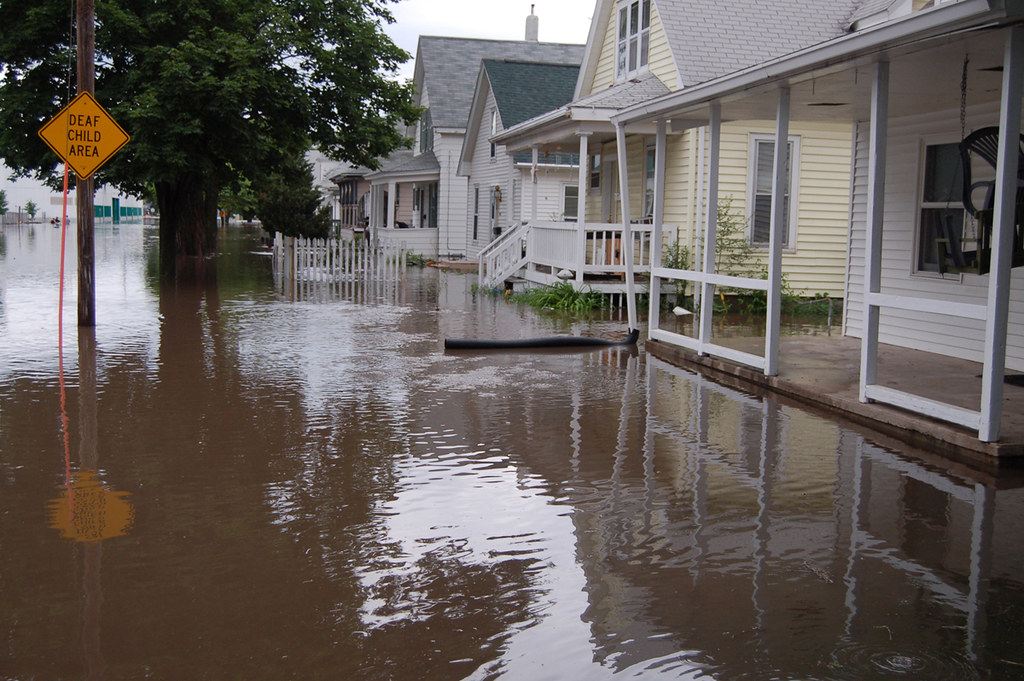
What to Expect When You Call
Here's how DRT responds to emergency calls:
Need Help Now?
The Disaster Repair Team provides 24/7 emergency restoration services across Utah.
Request Help Online