Emergency Flood & Water Damage Restoration — Washington City
- Recovery resources and next steps
- Insurance claim guidance
- Lessons learned for future prevention
- Professional restoration support
Mold can start growing within 24–48 hours of water exposure. Fast extraction and drying dramatically reduce secondary damage and health risks.
Live Conditions
Real-time weather radar for Utah
How DRT Helped Washington City Recover from the October 2026 Flash Flood — A Local Recovery Case Study
Flash Flood Warning: October 11, 2026, 12:18 PM – 3:15 PM MDT | Issued by NWS Salt Lake City, UT
Affected areas included Washington City, Hurricane, Ivins, Santa Clara, and surrounding St. George communities.
When the National Weather Service issued a Flash Flood Warning for Washington County on October 11, 2026, the Disaster Repair Team (DRT) was already mobilized. In the hours and days that followed, DRT responded to dozens of homes and businesses across Washington City, Hurricane, Ivins, and Santa Clara — helping families dry out, document damage, and begin rebuilding. This page serves as a permanent resource for anyone in the area who experienced flood damage during this event, or who wants to be better prepared for the next one.
If you are still dealing with damage from this storm, we are here. Call us now: 385-287-6344
What Happened: The October 2026 Washington City Flash Flood
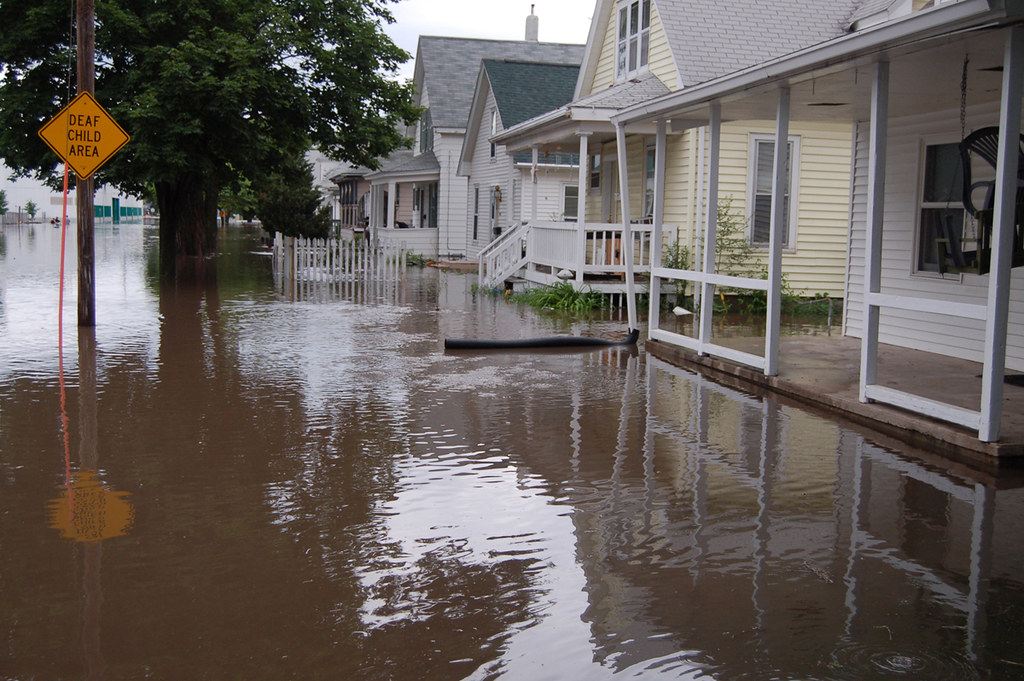
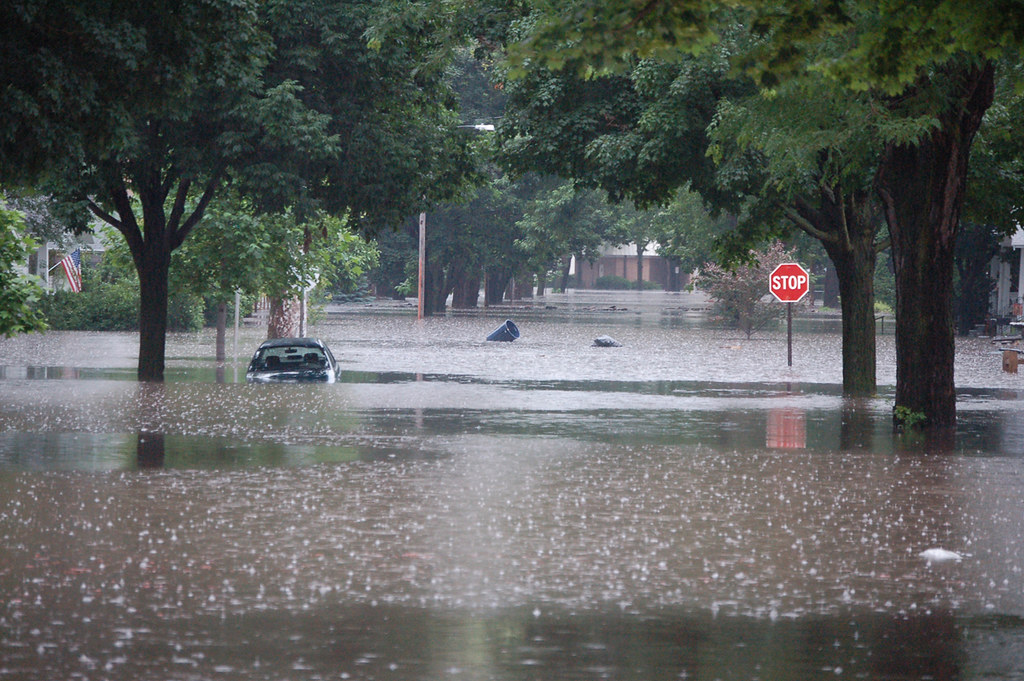
A fast-moving storm system triggered flash flooding across the greater St. George area during the early afternoon of October 11, 2026. Within minutes of the NWS warning, water was moving through streets, entering crawl spaces, and backing up into ground-floor living areas across Washington City and neighboring communities. The compressed warning window — less than three hours — left many homeowners with little time to react before water had already entered their properties.
DRT teams were on the ground responding to calls within the warning period and continued working through the days following the event to address water extraction, structural drying, mold prevention, and insurance documentation for affected residents.
What to Do After a Flash Flood: The Steps That Made a Difference
Based on what DRT saw on the ground during and after the October 2026 event, here is the practical recovery checklist that helped Washington City homeowners protect their homes and their insurance claims:
- Confirm your family's safety first. Before anything else, account for everyone in your household and move to higher ground or a safe area of your home.
- Document all damage with photos and video before any cleanup begins. This documentation became critical for insurance claims after the October flood.
- Do not enter structurally compromised areas. Floodwater weakens foundations, floors, and walls. If in doubt, wait for a professional assessment.
- Contact your insurance company as soon as it is safe to do so. Early notification protects your claim timeline.
- Call DRT to begin water extraction and drying immediately. The first 24–72 hours are the most critical window for preventing mold and secondary structural damage. 385-287-6344
How DRT Responded: Services Deployed After the October 2026 Flood
DRT provided the full range of emergency restoration and recovery services to Washington City-area residents following this event, including:
- 24/7 emergency water extraction
- Industrial structural drying and dehumidification
- Board-up and property security services
- Mold remediation and prevention treatments
- Smoke and soot removal where fire or electrical damage accompanied flooding
- Full rebuild coordination from demo through finish
- Direct insurance company coordination and documentation support
DRT worked directly with homeowners' insurance carriers throughout the claims process, helping residents avoid the delays and disputes that can slow recovery when documentation is incomplete.
Need help now or have lingering damage from the October flood? Call DRT: 385-287-6344
Lessons Learned: What the October 2026 Flood Taught Washington City Homeowners
Having responded to this event across multiple communities in Washington County, DRT identified several patterns that separated fast, smooth recoveries from prolonged, costly ones. These lessons apply to any future flood event in the area.
1. Speed of response determined mold risk
Homeowners who called DRT within the first 12–24 hours of water intrusion consistently avoided mold growth. Those who waited several days — often hoping the water would dry on its own — faced significantly higher remediation costs. Flash flood water in Southern Utah's summer and fall heat creates ideal mold conditions within 48 hours.
2. Documentation saved claims — and a lack of it hurt them
Residents who photographed and video-recorded all damage before touching anything had smoother, faster insurance resolutions. Those who began cleanup before documenting sometimes found their claims disputed or reduced. Do not skip this step, even when the damage is obvious.
3. Flash flood insurance gaps surprised many homeowners
Standard homeowners' insurance policies do not cover flood damage. A significant number of Washington City residents discovered this only after the October 2026 event. If you do not have separate flood insurance, speak with your agent about the National Flood Insurance Program (NFIP) before the next storm season.
4. The warning window was shorter than expected
The gap between the NWS warning and active flooding was less than an hour in some low-lying areas. Pre-planning — knowing your evacuation route, having DRT's number saved, knowing where your insurance documents are — proved to be the difference between a managed situation and a chaotic one.
5. Neighbors who called together recovered faster
In neighborhoods where multiple households contacted DRT at the same time, we were able to stage equipment more efficiently and prioritize the most severe cases first. Community communication — neighborhood group texts, social media, HOA alerts — helped residents coordinate and get faster response times.
DRT Knows Washington County — Because We Live and Work Here
The Disaster Repair Team is a locally rooted restoration company serving Washington City, Hurricane, Ivins, Santa Clara, St. George, and the surrounding communities. We have responded to flash floods, windstorms, and water damage events across this region and understand the specific soil conditions, drainage patterns, and construction types that shape how flooding behaves here. When the October 2026 warning was issued, our team was not reading about it from out of state — we were already here.
We have been through this before, and we will be ready for the next event. If your home or business experienced damage during the October 2026 flash flood — or any subsequent storm — and you still have unresolved issues, we encourage you to reach out. It is never too late to address lingering moisture, mold concerns, or structural questions.
Call DRT anytime, 24/7: 385-287-6344
We work directly with your insurance company and have experience navigating Washington County claims from this and prior events.
```Most homeowner policies cover sudden water damage (burst pipes, appliance failures). Natural flooding typically requires separate flood insurance. Either way, DRT documents everything from day one — moisture readings, photos, scope of work — so your claim is supported whether it goes through your standard policy or a flood policy.
Frequently Asked Questions
How quickly does mold grow after flooding?
Will my homeowner's insurance cover flood damage restoration?
What should I NOT do after my home floods?
How quickly can DRT respond?
Do I need to file my insurance claim before calling DRT?
DRT serves Washington City and surrounding areas. View our full Washington City service area page for more about our restoration services in your area, or browse all service areas.
Need Help Now?
The Disaster Repair Team provides 24/7 emergency restoration services across Utah.
Request Help Online