Emergency Flood & Water Damage Restoration — St. George
- Recovery resources and next steps
- Insurance claim guidance
- Lessons learned for future prevention
- Professional restoration support
Mold can start growing within 24–48 hours of water exposure. Fast extraction and drying dramatically reduce secondary damage and health risks.
Live Conditions
Real-time weather radar for Utah
How DRT Helped St. George Recover from the October 2026 Flash Flood — A Community Recovery Guide
Serving Hurricane, Ivins, Santa Clara, Washington, and the greater St. George area
About This Event
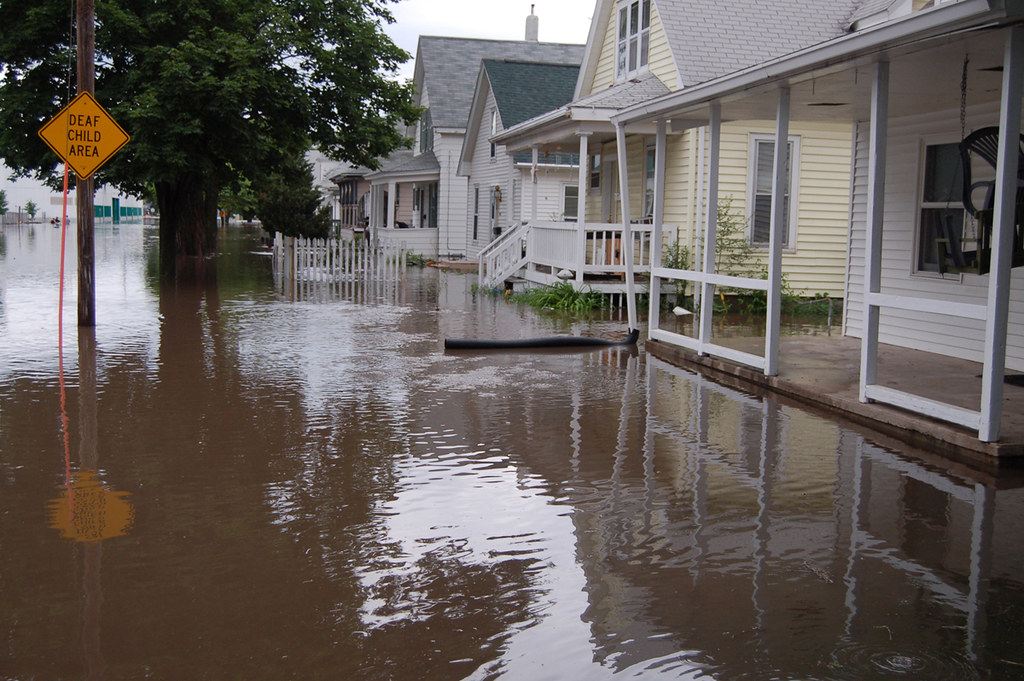
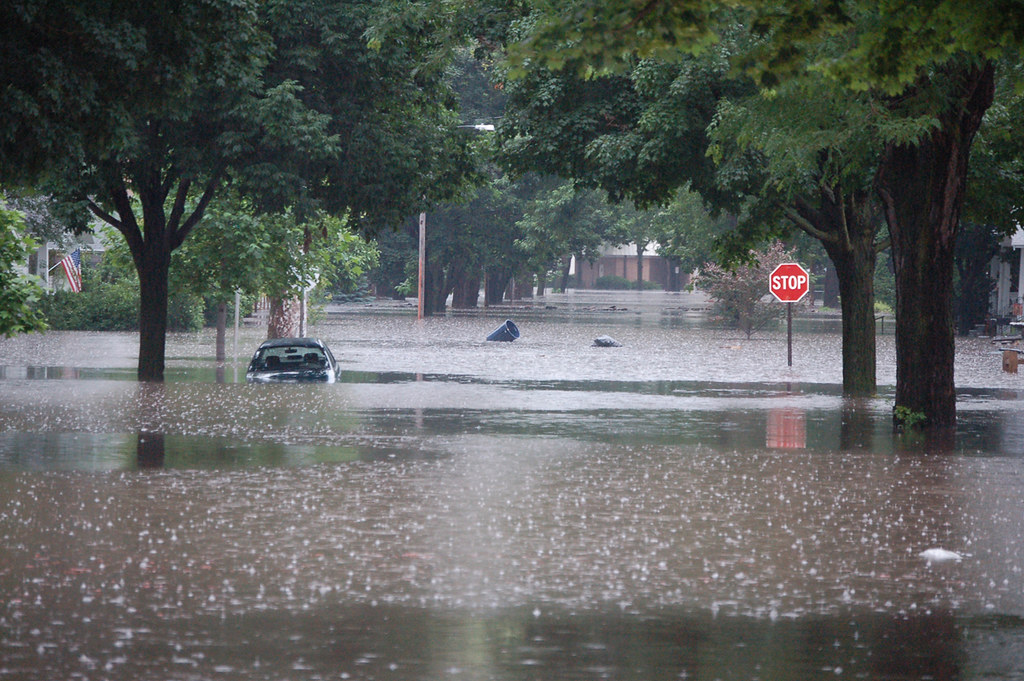
On October 11, 2026, the National Weather Service Salt Lake City issued a Flash Flood Warning for the St. George area from 12:18 PM MDT through 3:15 PM MDT. Homes and businesses across St. George, Hurricane, Ivins, Santa Clara, and Washington experienced flooding, water intrusion, and property damage during and after this event.
The Disaster Repair Team (DRT) responded immediately, mobilizing crews throughout the affected communities. This page serves as a lasting resource for anyone dealing with the aftermath of that storm — or any flash flood event in Washington County.
Dealing with flood damage now? We've been through this before and we're ready to help.
Call DRT 24/7: 385-287-6344
What Homeowners and Businesses Did Right After the Flood
In the hours and days following the October 2026 flash flood, the residents who recovered fastest were the ones who acted quickly and systematically. Here's the checklist that guided successful recoveries:
- Put family safety first. Before assessing damage, residents confirmed all family members were safe and accounted for.
- Documented everything. Photos and video of all damage — taken before any cleanup — proved essential for insurance claims.
- Avoided structurally compromised areas. Flooded rooms, sagging ceilings, and waterlogged floors were left untouched until a professional assessed structural integrity.
- Contacted their insurance company early. Filing a claim promptly helped homeowners get adjusters scheduled faster and reimbursement moving sooner.
- Called DRT for emergency water extraction and drying. The faster standing water was removed, the less secondary damage — including mold — occurred in the days that followed.
If you're still dealing with damage from this event, it's not too late to call.
385-287-6344 — Available 24/7
How DRT Responded: What We Did for St. George
When the October 2026 flash flood warning was issued, DRT crews were already staging for response. In the hours and days that followed, we provided the full range of emergency restoration services to affected properties across Washington County, including:
- Emergency water extraction — Removing standing water from homes and businesses as quickly as possible to limit structural saturation
- Structural drying — Industrial air movers and dehumidifiers deployed to dry walls, subfloors, and framing before mold could take hold
- Board-up and tarping — Securing properties with compromised doors, windows, or roofing against further damage
- Mold remediation — Identifying and treating mold growth that developed in the days following the flood
- Smoke and soot removal — Addressing any fire-related secondary damage
- Full rebuild coordination — From drywall and flooring to complete structural repairs, DRT managed the rebuild process start to finish
- Direct insurance billing — We worked directly with homeowners' insurance companies to document damage, scope repairs, and process claims
We know Washington County. We know how fast desert storms can push water through a home. And we know how to get families back in their houses.
Lessons Learned: What the October 2026 Flood Taught Us
Every major weather event teaches us something. Here's what DRT — and the community — learned from responding to the October 2026 flash flood across St. George, Hurricane, Ivins, Santa Clara, and Washington:
1. Flash Floods Move Faster Than Most Homeowners Expect
The warning window was less than three hours. Many residents had little time to move valuables, sandbag entryways, or take preventive action. Having a plan in place before a warning is issued makes a significant difference in outcomes.
2. Water Finds Every Gap
Properties that appeared undamaged on the surface often had water intrusion through garage doors, window wells, and HVAC penetrations. Post-storm inspections revealed hidden moisture in walls and subfloors that would have become serious mold problems within 48–72 hours if left unaddressed.
3. Waiting Costs More Than Acting
Homeowners who delayed calling for water extraction — even by 24 hours — consistently faced more extensive remediation needs and higher total restoration costs. Mold can begin developing within 24–48 hours of water intrusion in Southern Utah's climate.
4. Insurance Documentation Starts at the Scene
Homeowners who photographed and video-recorded damage immediately — before any cleanup — had smoother, faster insurance claim processes. Those who cleaned up first sometimes struggled to document the full scope of loss.
5. Local Teams Respond Faster
DRT is based in Washington County. During the October 2026 event, our local presence meant faster response times compared to out-of-area contractors. In a flood event, every hour matters.
6. Flood Prep Is a Year-Round Conversation
Southern Utah's monsoon season and flash flood risk don't disappear after one storm. Properties with proper grading, functioning window well covers, and sealed foundation penetrations fared significantly better. If your property was affected, a post-restoration review of these vulnerabilities is a worthwhile investment.
Is Your Property Still Showing Signs of Flood Damage?
Water damage isn't always visible. In the weeks and months following a flood event, watch for:
- Musty or earthy odors, especially in basements and crawl spaces
- Visible mold growth on walls, baseboards, or under cabinets
- Warping, buckling, or soft spots in flooring
- Efflorescence (white mineral deposits) on concrete or masonry
- Staining on drywall, particularly near the floor line
- Doors or windows that stick or no longer close properly
If you're noticing any of these signs, contact DRT for an assessment. Many of these issues can still be addressed effectively — and early intervention prevents them from becoming larger structural or health problems.
Call DRT: 385-287-6344
Available 24/7 for emergency response and scheduled assessments.
About Disaster Repair Team
DRT is a locally operated disaster restoration company serving St. George, Hurricane, Ivins, Santa Clara, Washington, and surrounding Washington County communities. We specialize in water damage restoration, flood recovery, mold remediation, fire and smoke damage, and full property rebuild coordination.
We've responded to flash floods, pipe bursts, sewage backups, and structure fires across Southern Utah. We work directly with all major insurance carriers and are available around the clock when disaster strikes.
Ready to talk to a real person right now?
Call 385-287-6344 — 24/7 Emergency Line
Most homeowner policies cover sudden water damage (burst pipes, appliance failures). Natural flooding typically requires separate flood insurance. Either way, DRT documents everything from day one — moisture readings, photos, scope of work — so your claim is supported whether it goes through your standard policy or a flood policy.
Frequently Asked Questions
How quickly does mold grow after flooding?
Will my homeowner's insurance cover flood damage restoration?
What should I NOT do after my home floods?
How quickly can DRT respond?
Do I need to file my insurance claim before calling DRT?
DRT serves St. George and surrounding areas. View our full St. George service area page for more about our restoration services in your area, or browse all service areas.
Need Help Now?
The Disaster Repair Team provides 24/7 emergency restoration services across Utah.
Request Help Online