Emergency Flood & Water Damage Restoration — Hurricane
- Recovery resources and next steps
- Insurance claim guidance
- Lessons learned for future prevention
- Professional restoration support
Mold can start growing within 24–48 hours of water exposure. Fast extraction and drying dramatically reduce secondary damage and health risks.
Live Conditions
Real-time weather radar for Utah
How DRT Helped Hurricane, Ivins, Santa Clara & Surrounding Communities Recover from the September 2026 Flash Flood
A Case Study & Recovery Resource Guide for Washington County Homeowners and Businesses
On September 1, 2026, the National Weather Service Salt Lake City issued a Flash Flood Warning for the Hurricane area at 12:36 PM MDT, lasting through 3:30 PM MDT. In the hours and days that followed, the Disaster Repair Team (DRT) mobilized across Hurricane, Ivins, Santa Clara, and neighboring communities — extracting water, drying structures, and helping families and businesses get back on their feet.
This page documents what happened, what we learned, and what you should know if your property was affected — or if you want to be better prepared for the next time severe weather strikes Southern Utah.
Still dealing with flood damage? Call us now: 385-287-6344
What the September 2026 Flash Flood Looked Like on the Ground
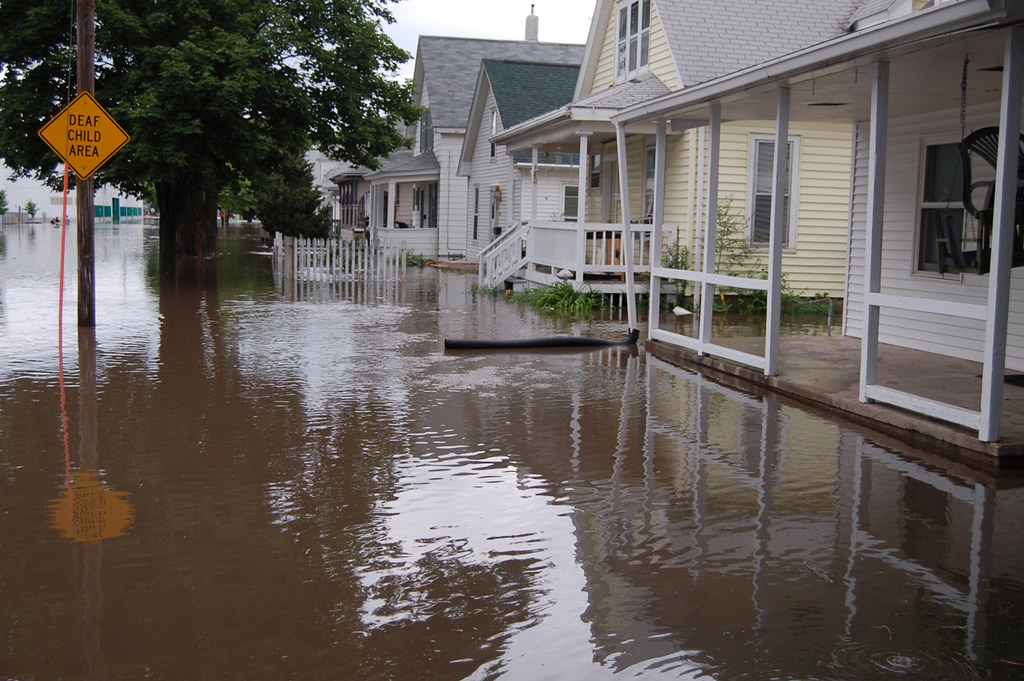
Flash flood events in Washington County move fast. Within minutes of the NWS warning, water was moving through streets, entering crawl spaces, and overwhelming drainage systems across the Hurricane valley. Low-lying properties, homes near washes, and businesses along high-traffic corridors were among the first affected.
DRT crews were on-site responding to calls within hours of the warning, working through the night to begin water extraction and structural drying before secondary damage — mold, warped framing, compromised foundations — could take hold.
What Homeowners & Businesses Should Do After a Flood Event
Whether you're reading this in the immediate aftermath or weeks later, these steps remained critical for every property owner affected by the September 2026 flood:
- Prioritize your family's safety first — Do not re-enter a structure until it has been confirmed safe. Watch for downed power lines, structural instability, and contaminated water.
- Document all damage with photos and video — Before any cleanup begins, capture every affected area. This documentation is essential for insurance claims.
- Do not enter structurally compromised areas — Floodwater weakens drywall, insulation, flooring, and load-bearing elements. What looks stable may not be.
- Contact your insurance company as soon as possible — Report the loss promptly. Delays in reporting can complicate claims.
- Call a professional restoration team immediately — Every hour that standing water remains in a structure increases the risk of mold growth and long-term structural damage. DRT offers 24/7 emergency response: 385-287-6344
How DRT Responded to the September 2026 Flood
DRT provided full-spectrum emergency restoration services across the affected area, including:
- Water extraction — Industrial-grade pumps and vacuums removed standing water from homes, basements, crawl spaces, and commercial properties.
- Structural drying — High-capacity air movers and dehumidifiers were deployed to dry wall cavities, subfloors, and framing to IICRC standards.
- Board-up and property security — Compromised entry points were secured to protect properties from further damage and unauthorized access.
- Mold remediation — For properties where response was delayed or moisture persisted, DRT performed full mold assessments and remediation.
- Smoke and soot removal — Where flooding was accompanied by electrical issues or secondary fire damage, full cleaning and deodorization services were provided.
- Full rebuild coordination — DRT managed the rebuild process from structural repairs through finish work, serving as a single point of contact for homeowners and insurers.
- Direct insurance billing — DRT worked directly with insurance carriers on behalf of property owners, reducing the administrative burden during an already stressful time.
Ready to start your recovery? Our team is standing by: 385-287-6344
Lessons Learned from the September 2026 Flash Flood
Having responded to this event and others across Washington County, DRT took away several important lessons — both for our team and for the communities we serve.
1. Speed is everything in water damage recovery.
Mold can begin developing within 24–48 hours of a flood event. Properties where owners waited several days to call — whether due to confusion about insurance coverage, difficulty finding a contractor, or uncertainty about the extent of damage — consistently experienced more severe secondary damage and higher overall restoration costs.
2. Documentation before cleanup saves thousands.
Several homeowners began removing damaged materials before properly documenting the loss. While the impulse to clean up is understandable, missing documentation led to disputed insurance claims. Photograph and video everything before touching it.
3. Not all water damage is visible.
Some of the most significant damage from the September 2026 event was hidden — inside wall cavities, beneath flooring, and in crawl spaces. Properties that received only surface-level cleanup without moisture mapping and professional drying saw mold problems emerge weeks later.
4. Local teams with regional knowledge respond faster and more effectively.
DRT is based in Southern Utah. We know the soil conditions, the drainage patterns, the construction styles common in Washington County, and the insurance landscape here. During a regional event, that local knowledge translated to faster response times and more accurate scopes of work compared to out-of-area contractors who arrived days later.
5. Community preparedness matters before the storm.
Homeowners who had already documented their belongings, knew their insurance policy details, and had a restoration contact saved on their phones were able to move faster and with less stress. Consider saving DRT's number before you need it: 385-287-6344
6. Insurance coordination is a skill, not an afterthought.
Many homeowners were unfamiliar with how flood and water damage claims work. DRT's experience working directly with insurance carriers — including navigating coverage questions, supplements, and documentation requirements — was cited consistently as one of the highest-value services we provided during the recovery period.
DRT Has Been Through This Before — And We'll Be Here for the Next One
Flash flooding is a recurring reality in Washington County. The canyon terrain, clay soils, and monsoon weather patterns that make Southern Utah beautiful also make it vulnerable to rapid, intense flood events. DRT has built our team, our equipment, and our processes around exactly these conditions.
We are a local company. We live here. When a warning is issued, we're already loading trucks — not coordinating a response from across the state.
If your property was affected by the September 2026 flash flood and you haven't yet had a professional moisture assessment, it's not too late. Hidden moisture and developing mold are still treatable. And if you're a property owner in Hurricane, Ivins, Santa Clara, Washington, St. George, or anywhere in Washington County who wants to be prepared for future events, save our number today.
Call or text DRT 24/7: 385-287-6344
We work directly with your insurance company, respond around the clock, and have the local experience to get your property restored the right way — the first time.
```Most homeowner policies cover sudden water damage (burst pipes, appliance failures). Natural flooding typically requires separate flood insurance. Either way, DRT documents everything from day one — moisture readings, photos, scope of work — so your claim is supported whether it goes through your standard policy or a flood policy.
Frequently Asked Questions
How quickly does mold grow after flooding?
Will my homeowner's insurance cover flood damage restoration?
What should I NOT do after my home floods?
How quickly can DRT respond?
Do I need to file my insurance claim before calling DRT?
DRT serves Hurricane and surrounding areas. View our full Hurricane service area page for more about our restoration services in your area, or browse all service areas.
Need Help Now?
The Disaster Repair Team provides 24/7 emergency restoration services across Utah.
Request Help Online