September 2026 Flash Flood Warning — Hurricane, Ivins, Santa Clara & more — Emergency Restoration
- Recovery resources and next steps
- Insurance claim guidance
- Lessons learned for future prevention
- Professional restoration support
Mold can start growing within 24–48 hours of water exposure. Fast extraction and drying dramatically reduce secondary damage and health risks.
Live Conditions
Real-time weather radar for Utah
- Do NOT stand in water near electrical outlets or appliances
- Shut off main water supply if the source is a pipe or appliance
- Turn off electricity to affected areas at the breaker — only if safe to reach
- Do NOT use household vacuums on standing water
- Move to higher ground if water is rising rapidly
How DRT Helped Utah Recover from the September 2026 Flash Flood Warning — Hurricane, Ivins, Santa Clara & Surrounding Areas
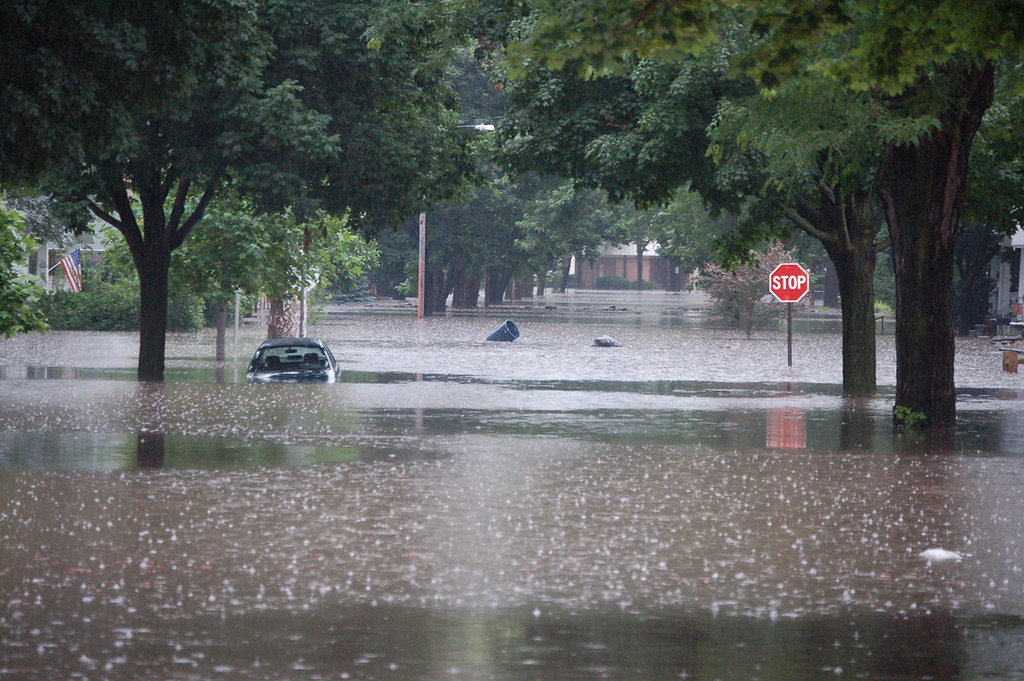
On September 1, 2026, the National Weather Service Salt Lake City issued a Flash Flood Warning at 12:36 PM MDT, affecting communities across Washington County, including Hurricane, Ivins, Santa Clara, and surrounding areas. The warning remained in effect until 3:30 PM MDT — but the damage left behind lasted far longer.
The Disaster Repair Team (DRT) mobilized immediately, responding to homes and businesses across the affected region. This page serves as a permanent resource and case study documenting what happened, how residents responded, and what DRT's crews did on the ground to help families recover.
If you're dealing with flood damage now — from this event or any other — we're still here. Call us 24/7: 385-287-6344
What Happened: The September 2026 Flash Flood Event
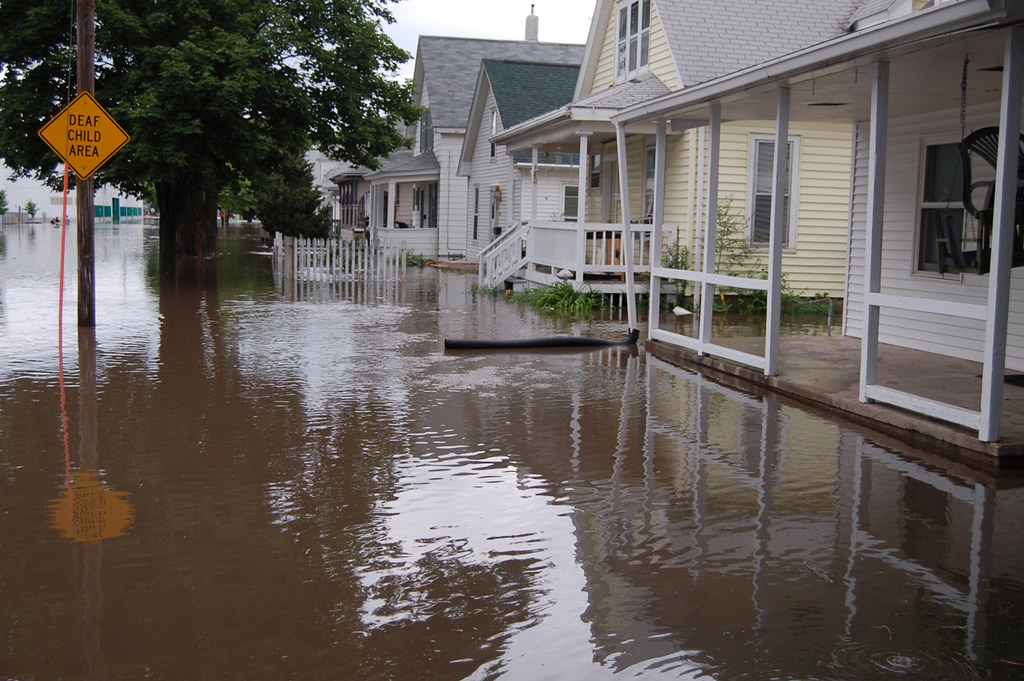
Flash flooding across the Hurricane, Ivins, and Santa Clara corridor caused rapid water intrusion into homes, businesses, and infrastructure throughout the afternoon of September 1, 2026. Properties that experienced flooding ranged from minor surface water intrusion to significant structural saturation requiring emergency extraction, drying, and rebuild services.
DRT crews were on the ground within hours of the warning, working through the night and into the days that followed to help property owners stabilize their homes and begin the recovery process.
What Homeowners Did Right: A Step-by-Step Recovery Checklist
The residents who recovered fastest followed a clear set of priorities. Whether you experienced flooding during this event or are researching what to do after future flooding, this checklist reflects what worked:
- Prioritized family safety first — Residents who waited for official all-clear notices before re-entering flooded structures avoided injury from hidden hazards, including electrical dangers and compromised floors.
- Documented all damage thoroughly with photos and video — Comprehensive documentation taken before any cleanup began proved critical for insurance claims and getting fair settlements.
- Avoided structurally compromised areas — Floodwater can weaken foundations, walls, and subflooring in ways that aren't immediately visible. Waiting for a professional assessment prevented additional injuries.
- Contacted their insurance company promptly — Filing claims quickly opened the door to faster approvals and fewer disputes over pre-existing conditions.
- Called DRT early — The sooner water extraction and structural drying began, the less secondary damage (including mold) homeowners faced in the weeks that followed. Call us any time: 385-287-6344
How DRT Responded
DRT provided full-spectrum emergency restoration services to affected homes and businesses throughout the September 2026 event and its aftermath, including:
- Emergency water extraction — Removing standing water quickly to limit saturation damage to flooring, walls, and structural materials
- Structural drying — Industrial dehumidification and air movement equipment deployed to dry out affected areas completely
- Board-up and weatherproofing — Securing damaged structures against further exposure
- Mold remediation — Addressing secondary mold growth, which can begin within 24–48 hours of water intrusion if drying is delayed
- Smoke and soot removal — For any properties where fire hazards accompanied the storm damage
- Full rebuild coordination — Managing the repair and reconstruction process from start to finish, so homeowners didn't have to juggle multiple contractors
- Direct insurance coordination — DRT worked directly with insurance adjusters on behalf of property owners, helping document losses accurately and advocate for complete coverage
DRT's team has navigated flash flood recovery across Southern Utah many times. We know the landscape, the common failure points in local construction, and how to work efficiently with regional insurance carriers.
Lessons Learned from the September 2026 Flash Flood
Every disaster teaches something. Here is what the September 2026 event reinforced for homeowners, businesses, and our own team:
- Time is the most expensive variable in flood recovery. The difference between calling for help within hours versus waiting days can mean the difference between drying out a home and demolishing and rebuilding walls. Mold does not wait.
- Documentation must happen before cleanup. Several homeowners who began removing wet materials before photographing everything faced complications with their insurance claims. Always document first.
- Flash floods in Washington County move fast and affect areas people don't expect. Properties not in obvious flood zones were impacted. Overland flow, overwhelmed drainage infrastructure, and saturated soil redirected water in unexpected ways. Every property in the affected corridor is worth assessing after a significant rain event.
- Insurance coordination matters as much as physical restoration. Homeowners who leaned on DRT to interface with their adjusters received more complete settlements than those who navigated the process alone. A restoration company that speaks the language of insurance adjusters is a genuine asset.
- Having a restoration contact before disaster strikes removes critical decision-making from the worst possible moment. Save our number now: 385-287-6344
- Mold was the sleeper threat. Properties that appeared dry to the eye — but had moisture trapped in walls, under flooring, or in insulation — developed mold problems in the weeks that followed. Professional moisture mapping identified hidden saturation that visual inspection missed entirely.
DRT Is the Local Team That Has Been Through This Before
The Disaster Repair Team is based in Utah and serves communities across Washington County and the surrounding region. The September 2026 flash flood was not our first rodeo, and it will not be our last. Flash flooding is a recurring reality of life in Southern Utah's canyon country, and our crews are built for it.
We've responded to events across Hurricane, Ivins, Santa Clara, St. George, Washington City, La Verkin, and communities throughout the region. We know which neighborhoods drain poorly, which soil types hold moisture longest, and how to move quickly when conditions require it.
If you were affected by the September 2026 event and are still dealing with lingering damage, delayed mold issues, or unresolved insurance matters — we can still help. And if you're reading this to prepare for the future, we're glad you found us.
Call DRT 24/7 for emergency restoration and flood recovery: 385-287-6344
We work directly with your insurance company, respond around the clock, and have the experience to see your recovery through from first call to final walk-through.
```Affected Areas
Select a city for location-specific emergency information and restoration resources.
What to Expect When You Call
Here's how DRT responds to emergency calls:
Need Help Now?
The Disaster Repair Team provides 24/7 emergency restoration services across Utah.
Request Help Online