Emergency Flood & Water Damage Restoration — Washington City
- Recovery resources and next steps
- Insurance claim guidance
- Lessons learned for future prevention
- Professional restoration support
Mold can start growing within 24–48 hours of water exposure. Fast extraction and drying dramatically reduce secondary damage and health risks.
Live Conditions
Real-time weather radar for Utah
How DRT Helped Washington City Recover from the September 2026 Flash Flood — A Local Recovery Case Study
Serving Hurricane, Ivins, Santa Clara, Washington City, and surrounding St. George area communities
About This Event
On September 1, 2026, the National Weather Service Salt Lake City issued a Flash Flood Warning for Washington City and surrounding communities at 12:36 PM MDT, lasting through 3:30 PM MDT. The storm affected residents and businesses across the greater St. George area, including Hurricane, Ivins, and Santa Clara. In the hours and days that followed, the Disaster Repair Team (DRT) mobilized to help homeowners and business owners assess damage, begin water extraction, and navigate the recovery process.
This page exists as a lasting resource for anyone in Washington County who has experienced flash flooding — whether from this event or a future one. The steps that helped our neighbors in September 2026 are the same steps that work after any flood.
Dealing with flood damage now? Call DRT 24/7: 385-287-6344
What Happened: The September 2026 Flash Flood
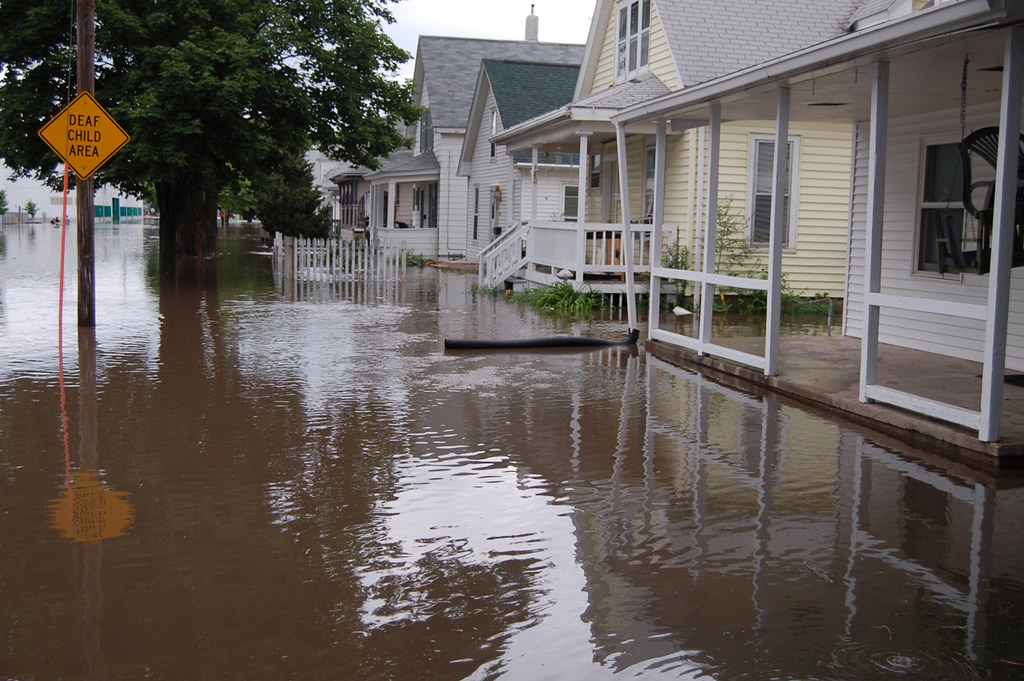
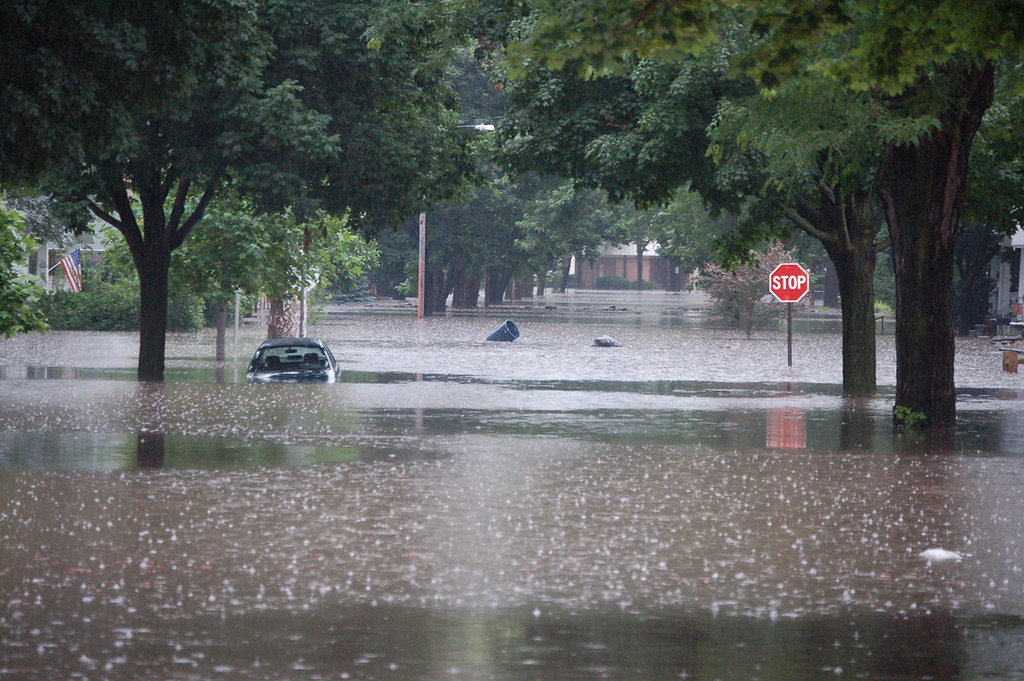
Flash flood warnings in Southern Utah are not uncommon during late summer monsoon season, but the September 1, 2026 event moved quickly and caught many residents off guard. Storm runoff overwhelmed drainage systems in parts of Washington City, Hurricane, and Santa Clara, sending water into garages, crawl spaces, basements, and ground-floor living areas. Within hours of the warning, DRT crews were on the ground responding to calls across the region.
The communities most impacted included:
- Washington City — residential flooding in low-lying neighborhoods
- Hurricane — runoff damage along drainage corridors
- Santa Clara — water intrusion in older homes near wash areas
- Ivins — property damage from fast-moving surface water
What to Do After a Flash Flood: The Steps That Worked
These are the same steps we walked Washington County homeowners through in September 2026. If you're dealing with flooding now or in the future, follow this checklist:
- Prioritize your family's safety first. Do not return to a flooded property until authorities have confirmed it is safe to enter.
- Document everything before cleanup begins. Photograph and video all visible damage — walls, floors, furniture, exterior — before moving or removing anything. This documentation is critical for insurance claims.
- Do not enter structurally compromised areas. Floodwater can weaken foundations, floors, and walls. If you see sagging ceilings, warped floors, or cracks in load-bearing walls, stay out and call a professional.
- Contact your insurance company promptly. File your claim as soon as possible. DRT works directly with insurance adjusters and can help document damage in the format insurers require.
- Begin water extraction as quickly as possible. Every hour matters. Standing water and moisture trapped in walls and floors can lead to mold growth within 24–48 hours. Call DRT immediately to begin the drying process.
- Do not use household fans as a substitute for professional drying equipment. Standard fans can spread moisture and mold spores. Professional-grade air movers and dehumidifiers are required for proper structural drying.
Ready to start your recovery? DRT is available 24/7: 385-287-6344
How DRT Responded
When the September 2026 flash flood warning was issued, DRT was already monitoring conditions across Washington County. Within hours of the storm, our crews were deployed across Washington City, Hurricane, Ivins, and Santa Clara providing:
- Emergency water extraction — removing standing water from affected homes and businesses
- Structural drying — professional air movers and dehumidifiers placed to dry walls, floors, and subfloors
- Mold prevention and remediation — applying treatments to stop mold before it started, and remediating where it had already taken hold
- Board-up and tarping services — securing properties where the storm had compromised doors, windows, or roofing
- Insurance coordination — working directly with adjusters to document damage and streamline the claims process
- Full rebuild coordination — managing repairs from initial extraction through final reconstruction, so homeowners had a single point of contact throughout recovery
Lessons Learned: What the September 2026 Flood Taught Washington County Homeowners
After working through dozens of flood recovery projects following the September 2026 event, DRT identified several patterns that made recovery harder — and what homeowners can do differently next time.
1. Waiting too long to call for help was the most common mistake.
Many homeowners who waited more than 48 hours to begin professional water extraction faced significantly higher repair costs due to mold growth and secondary structural damage. Flash floods in Southern Utah can introduce large volumes of water very quickly — the faster extraction begins, the less damage spreads.
2. DIY drying equipment is not a substitute for professional mitigation.
Several homeowners attempted to dry their properties using household fans and dehumidifiers before calling DRT. In most cases, this delayed proper drying and allowed moisture to migrate deeper into wall cavities and subfloors. Professional drying equipment is calibrated to Southern Utah's climate and the specific materials in your home.
3. Photo documentation before cleanup saved thousands of dollars in insurance disputes.
Homeowners who thoroughly documented damage before beginning any cleanup had smoother, faster insurance claims. Those who removed damaged materials before an adjuster could assess them sometimes faced claim disputes.
4. Flash flood damage is often hidden.
The September 2026 event revealed that water intrusion frequently traveled further than it appeared. Moisture was found behind walls, under flooring, and in crawl spaces in homes where only minor surface damage was visible. Thermal imaging and moisture meters — tools DRT uses on every job — are the only reliable way to find hidden moisture.
5. Having a trusted local contractor already in mind saved time.
Homeowners who had a relationship with DRT or knew our name before the flood were able to reach us faster and begin recovery sooner. We encourage every Washington County homeowner to save our number now — before the next storm.
Why Washington County Homeowners Trust DRT
DRT is a locally based disaster restoration company serving Washington City, Hurricane, Ivins, Santa Clara, St. George, and surrounding Southern Utah communities. We have been through the floods, the storms, and the recoveries that come with living in the high desert. We understand the specific soil conditions, drainage patterns, and building materials common to Washington County — and we know what it takes to restore your home to pre-loss condition.
We are not a national call center or a franchise dispatching crews from Las Vegas. We are your neighbors, and we were here before the September 2026 flood, during it, and long after.
- ✔ 24/7 emergency response
- ✔ Direct insurance billing and adjuster coordination
- ✔ Licensed, certified restoration professionals
- ✔ Full-service: extraction, drying, mold remediation, and rebuild
- ✔ Locally owned and operated in Southern Utah
Dealing With Flood Damage? We're Ready.
Whether you're recovering from a past storm or dealing with water damage right now, the Disaster Repair Team is available 24 hours a day, 7 days a week. Call us and a real person will answer.
We'll walk you through the next steps, answer your questions, and get a crew to your property as quickly as possible.
```Most homeowner policies cover sudden water damage (burst pipes, appliance failures). Natural flooding typically requires separate flood insurance. Either way, DRT documents everything from day one — moisture readings, photos, scope of work — so your claim is supported whether it goes through your standard policy or a flood policy.
Frequently Asked Questions
How quickly does mold grow after flooding?
Will my homeowner's insurance cover flood damage restoration?
What should I NOT do after my home floods?
How quickly can DRT respond?
Do I need to file my insurance claim before calling DRT?
DRT serves Washington City and surrounding areas. View our full Washington City service area page for more about our restoration services in your area, or browse all service areas.
Need Help Now?
The Disaster Repair Team provides 24/7 emergency restoration services across Utah.
Request Help Online