Emergency Flood & Water Damage Restoration — St. George
- Recovery resources and next steps
- Insurance claim guidance
- Lessons learned for future prevention
- Professional restoration support
Mold can start growing within 24–48 hours of water exposure. Fast extraction and drying dramatically reduce secondary damage and health risks.
Live Conditions
Real-time weather radar for Utah
How DRT Helped St. George Recover from the September 2026 Flash Flood Warning
A Community Recovery Case Study — Hurricane, Ivins, Santa Clara & Surrounding Areas
On September 1, 2026, the National Weather Service Salt Lake City issued a Flash Flood Warning for the St. George area at 12:36 PM MDT, lasting through 3:30 PM MDT. The event impacted homes and businesses across St. George, Hurricane, Ivins, Santa Clara, and neighboring communities throughout Washington County.
The Disaster Repair Team (DRT) mobilized immediately and worked alongside affected residents and business owners throughout the recovery process. This page documents what happened, what we learned, and what our community should know the next time severe weather strikes.
If you are dealing with flood damage now — from this storm or any other — we are ready to help:
Call DRT 24/7: 385-287-6344
What the September 2026 Flash Flood Looked Like on the Ground
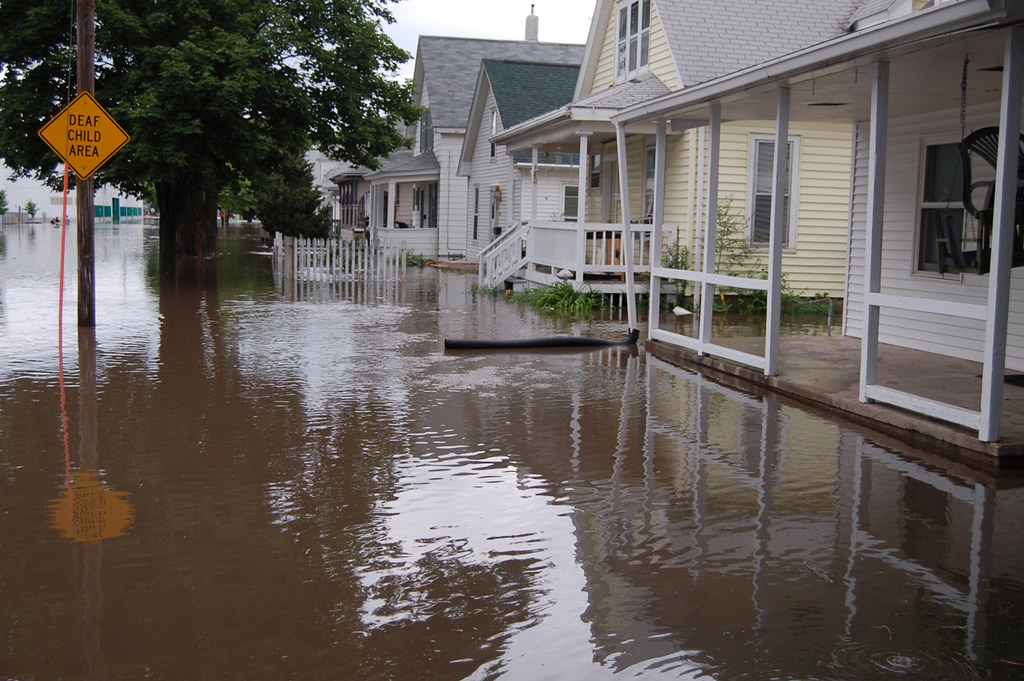
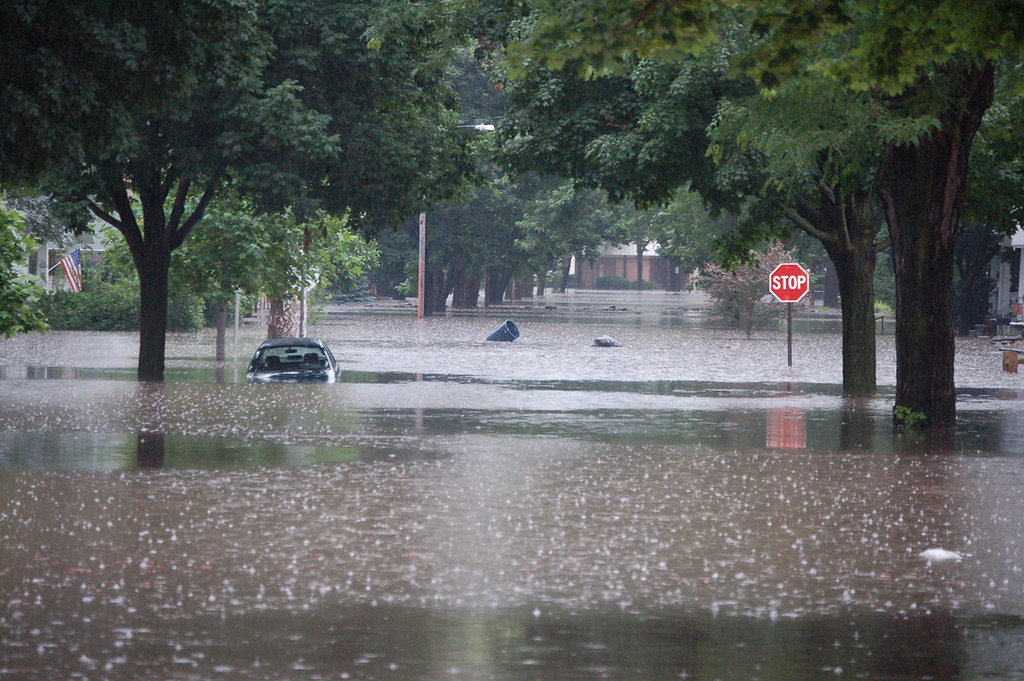
Flash floods in Southern Utah move fast. Within minutes of the warning being issued, low-lying areas near washes, culverts, and drainage channels in St. George, Hurricane, Ivins, and Santa Clara were seeing water intrusion into garages, crawl spaces, and ground-floor living areas. The red-rock terrain that makes Washington County beautiful also means water has nowhere to go — it channels quickly and with force.
Residents who had never experienced flooding in their homes found themselves overwhelmed. Those who called DRT early in the process were able to minimize long-term damage significantly. Those who waited — even by a day or two — faced greater mold risk, more extensive structural drying timelines, and in some cases, more complicated insurance claims.
What to Do After a Flash Flood: The Steps That Mattered Most
Whether you are reading this in the aftermath of a flood or preparing for the future, these are the steps that made the biggest difference for our St. George-area clients during the September 2026 event:
- Prioritize your family's safety first. Do not re-enter your home until floodwaters have fully receded and you are confident the structure is safe. When in doubt, wait for a professional assessment.
- Document everything with photos and video before touching anything. Walk through every affected area and capture damage on your phone. This documentation is critical for your insurance claim and cannot be recreated after cleanup begins.
- Do not enter structurally compromised areas. Floodwater can undermine foundations, weaken walls, and create hidden hazards. If floors feel soft, walls are bowing, or you smell gas, stay out and call for help.
- Contact your insurance company as soon as possible. File your claim early. The sooner you open a claim, the sooner the process moves. DRT works directly with insurance carriers and can help document and communicate damage on your behalf.
- Call DRT for professional water extraction and drying. Every hour water sits in your home, mold risk increases and structural materials absorb more moisture. Fast extraction and commercial drying equipment make a measurable difference in outcomes. Call us at 385-287-6344.
How DRT Supported the Recovery
DRT provided comprehensive emergency restoration services throughout the September 2026 recovery, including:
- 24/7 emergency water extraction — removing standing water from flooded homes and businesses as quickly as possible
- Structural drying — deploying industrial air movers and dehumidifiers to dry wall cavities, subfloors, and framing before mold could take hold
- Board-up and weatherproofing — securing properties where windows, doors, or exterior elements were compromised
- Mold remediation — addressing mold growth in cases where water had been present for longer periods
- Smoke and soot removal — for properties affected by secondary fire or smoke damage
- Full rebuild coordination — managing the repair and reconstruction process from initial damage through finished restoration
- Direct insurance coordination — working with adjusters and carriers to streamline claims and documentation
Our team is local. We live and work in Washington County. We understand the terrain, the drainage patterns, the typical construction in St. George, Hurricane, Ivins, and Santa Clara — and we have been through events like this before.
Lessons Learned: What the September 2026 Flood Taught Our Community
Every disaster teaches us something. Here is what stood out from the September 2026 event:
1. Speed is the single most important factor in water damage recovery.
Homeowners who called within the first few hours of water intrusion consistently had better outcomes — shorter drying timelines, lower overall restoration costs, and less secondary damage. Mold can begin developing within 24–48 hours in Southern Utah's late-summer heat. Waiting to "see if it dries out on its own" rarely works and often makes things worse.
2. Flash floods in Washington County are not rare — and they are not predictable.
Many residents affected by the September 2026 event had never experienced flooding in their homes before. The combination of monsoon moisture, hard soil, and the region's natural drainage patterns means that even properties that seem far from a wash can be at risk during intense rainfall. Awareness matters.
3. Documentation before cleanup is non-negotiable.
Several insurance claims were complicated by homeowners who, understandably, began removing wet materials and cleaning up before thoroughly documenting the damage. Always photograph and video everything first — every room, every wall, every floor, every affected item.
4. Insurance coordination is easier with a restoration partner involved early.
Homeowners who brought DRT in early benefited from having a professional team communicate directly with insurance adjusters, provide moisture readings and drying logs, and document the scope of damage in industry-standard formats. This reduced friction and delays in the claims process.
5. Community preparedness makes a real difference.
Neighbors who knew to call quickly, who had emergency contacts saved, and who understood the basic steps — document, extract, dry, remediate — recovered faster. We encourage every Washington County resident to save our number now, before you need it: 385-287-6344.
DRT Is Your Local Flood Recovery Team
The Disaster Repair Team has been serving St. George, Hurricane, Ivins, Santa Clara, and the broader Washington County area through emergencies like the September 2026 flash flood. We are not a national franchise dispatching strangers from out of state. We are your neighbors, and we understand what it takes to restore homes and businesses in this specific region.
We provide 24/7 emergency restoration services — water extraction, structural drying, board-up, smoke and soot removal, mold remediation, and full rebuild coordination. We work directly with your insurance company and advocate for you throughout the process.
If your home or business was affected by the September 2026 flood — or if you are dealing with water damage right now — do not wait.
Call DRT 24/7: 385-287-6344
We have been through this before. We will help you get through it too.
```Most homeowner policies cover sudden water damage (burst pipes, appliance failures). Natural flooding typically requires separate flood insurance. Either way, DRT documents everything from day one — moisture readings, photos, scope of work — so your claim is supported whether it goes through your standard policy or a flood policy.
Frequently Asked Questions
How quickly does mold grow after flooding?
Will my homeowner's insurance cover flood damage restoration?
What should I NOT do after my home floods?
How quickly can DRT respond?
Do I need to file my insurance claim before calling DRT?
DRT serves St. George and surrounding areas. View our full St. George service area page for more about our restoration services in your area, or browse all service areas.
Need Help Now?
The Disaster Repair Team provides 24/7 emergency restoration services across Utah.
Request Help Online