Emergency Flood & Water Damage Restoration — Hurricane
- Recovery resources and next steps
- Insurance claim guidance
- Lessons learned for future prevention
- Professional restoration support
Mold can start growing within 24–48 hours of water exposure. Fast extraction and drying dramatically reduce secondary damage and health risks.
Live Conditions
Real-time weather radar for Utah
How DRT Helped Hurricane Recover from the September 2026 Flash Flood — A Local Recovery Case Study
Flash Flood Warning: September 28, 2026 at 4:57PM MDT — Affecting Hurricane, Ivins, Santa Clara & Surrounding Communities
On September 28, 2026, the National Weather Service in Salt Lake City issued a Flash Flood Warning for Washington County communities including Hurricane, Ivins, and Santa Clara. The Disaster Repair Team (DRT) mobilized immediately and spent the days and weeks that followed helping homeowners and businesses throughout the region recover, dry out, and rebuild. This page serves as a permanent resource for anyone affected by that event — or any future flooding event — in Southern Utah.
If you're dealing with flood damage right now, we're still here. Call us 24/7: 385-287-6344
What Happened: The September 2026 Flash Flood Event
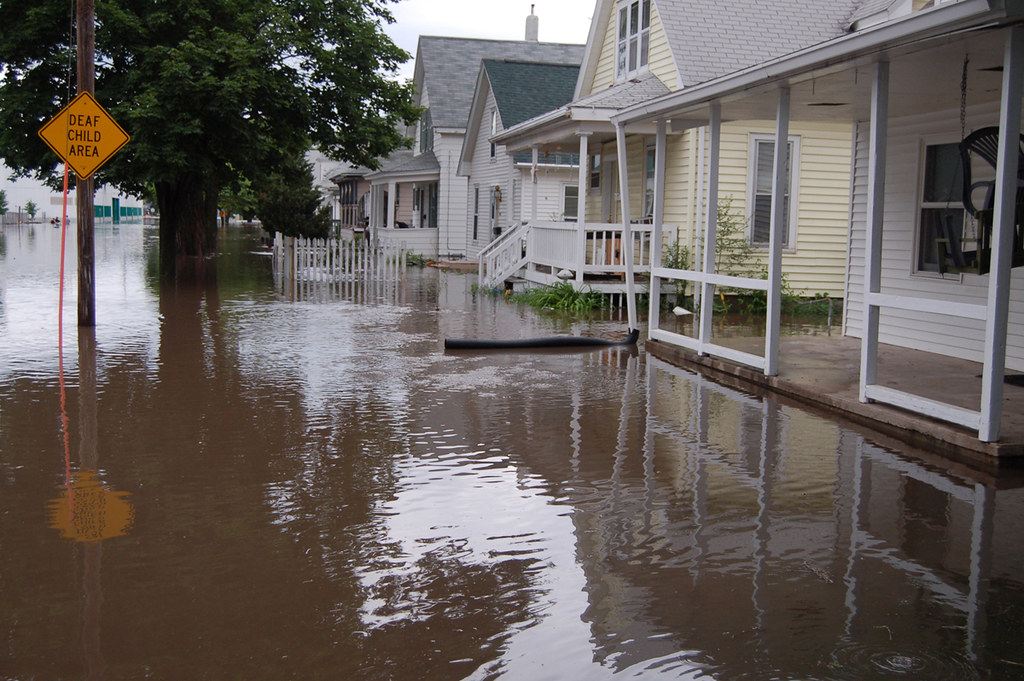
The warning was issued at 4:57PM MDT and remained in effect until 9:00PM MDT on September 28, 2026. Flash flooding impacted low-lying roads, residential neighborhoods, and commercial properties across Hurricane and neighboring communities. Stormwater entered homes through garage doors, window wells, and compromised foundations — a pattern DRT crews saw repeatedly throughout the response.
DRT's phones began ringing before the warning had even expired. Our team was on-site at multiple properties that same evening, beginning water extraction while the ground was still saturated.
What to Do After a Flood: The Steps That Made a Difference
Based on what we saw during the September 2026 response, homeowners who acted quickly and followed these steps experienced significantly less secondary damage — including mold — than those who waited. Here's what we advised then, and what we still recommend today:
- Prioritize your family's safety first. Before re-entering your home, confirm that the structure was not compromised by moving water, erosion, or foundation shifts. When in doubt, wait for a professional assessment.
- Document everything with photos and video before touching or moving any damaged items. This documentation was critical for insurance claims in 2026 and remains your most important early step.
- Do not enter structurally compromised areas. Flash flooding can undermine foundations and damage load-bearing walls in ways that aren't immediately visible.
- Contact your insurance company as soon as possible to open a claim and understand your coverage. DRT works directly with insurance carriers and can help coordinate the documentation process.
- Call DRT to begin extraction and drying immediately. Mold can begin developing within 24–48 hours of a water intrusion event. The sooner drying begins, the better the outcome. 385-287-6344
How DRT Helped: Services Deployed During the September 2026 Response
Throughout the weeks following the September 28 event, DRT provided the full spectrum of restoration services to affected homes and businesses across Hurricane, Ivins, Santa Clara, and surrounding Washington County communities:
- Emergency water extraction — industrial pumping and wet-vac services deployed within hours of initial calls
- Structural drying — commercial dehumidifiers and air movers placed throughout affected structures to prevent secondary damage
- Mold remediation — for properties where moisture was not addressed quickly enough, or where pre-existing vulnerabilities were exposed
- Board-up and emergency securing — protecting compromised structures from weather and unauthorized entry
- Full rebuild coordination — from flooring and drywall to complete room reconstruction, managed under one roof
- Direct insurance billing and coordination — we worked alongside adjusters to streamline the claims process for our clients
DRT is a locally owned restoration company serving Washington County. When the September 2026 flood hit, our crews weren't driving in from Las Vegas or St. George — we were already here.
Ready to start your recovery? Call us anytime: 385-287-6344
Lessons Learned: What the September 2026 Flood Taught Us — and Our Clients
Every major weather event leaves behind hard-won knowledge. Here's what stood out from the Hurricane flood response:
- Speed is everything. The clients who called DRT the evening of September 28 — while water was still receding — had dramatically better outcomes than those who waited even 48–72 hours. Early extraction prevents mold, protects flooring and drywall, and reduces overall restoration costs.
- Flash floods in Southern Utah move fast and carry debris. Unlike slow-rising river floods, flash floods deposit sediment, gravel, and contaminants into structures. This made cleanup more complex than a typical water intrusion — our crews were prepared for it, but many homeowners were caught off guard.
- Documentation gaps cost homeowners money. Several clients struggled with their insurance claims because they had moved or discarded damaged items before their adjuster could document them. Take photos and video of everything first — then wait for guidance.
- Garage doors and window wells are common entry points. In the September 2026 event, the majority of residential water intrusions occurred through garage doors swept by sheet flow, and through window wells overwhelmed by rapid runoff. Homeowners in flood-prone areas should consider upgrades to these entry points.
- Having a restoration company's number saved on your phone matters. Multiple clients told us they lost valuable time during the emergency searching for a trusted local contractor. Save our number now — even if you never need it: 385-287-6344
- Insurance coverage varies widely. Standard homeowner's policies often exclude flood damage. After the 2026 event, we encouraged clients to review their policies and consider flood insurance through the National Flood Insurance Program (NFIP) before the next storm season.
DRT: Southern Utah's Experienced Local Restoration Team
The September 2026 flash flood wasn't the first major weather event DRT has responded to in Washington County — and it won't be the last. Southern Utah's desert terrain creates unique flooding dynamics, with hardpan soil that sheds water rapidly and canyons that funnel flow directly into developed areas. Our crews understand this landscape, the insurance landscape, and what it takes to bring a flood-damaged home back to pre-loss condition.
We've been through this before. We know what works.
- ✔ Local team, local knowledge — serving Hurricane, Ivins, Santa Clara, St. George & Washington County
- ✔ 24/7 emergency response — we answer when it matters
- ✔ Direct insurance coordination — we speak adjuster so you don't have to
- ✔ Full-service restoration — from water extraction through final rebuild
Start Your Recovery Today
Whether you were impacted by the September 2026 event and are still dealing with lingering damage, or you're facing a new emergency, DRT is ready to help. Don't let water damage become a mold problem. Don't let a mold problem become a structural one.
Call DRT now — 24 hours a day, 7 days a week: 385-287-6344
We'll answer, we'll show up, and we'll get to work.
```Most homeowner policies cover sudden water damage (burst pipes, appliance failures). Natural flooding typically requires separate flood insurance. Either way, DRT documents everything from day one — moisture readings, photos, scope of work — so your claim is supported whether it goes through your standard policy or a flood policy.
Frequently Asked Questions
How quickly does mold grow after flooding?
Will my homeowner's insurance cover flood damage restoration?
What should I NOT do after my home floods?
How quickly can DRT respond?
Do I need to file my insurance claim before calling DRT?
DRT serves Hurricane and surrounding areas. View our full Hurricane service area page for more about our restoration services in your area, or browse all service areas.
Need Help Now?
The Disaster Repair Team provides 24/7 emergency restoration services across Utah.
Request Help Online