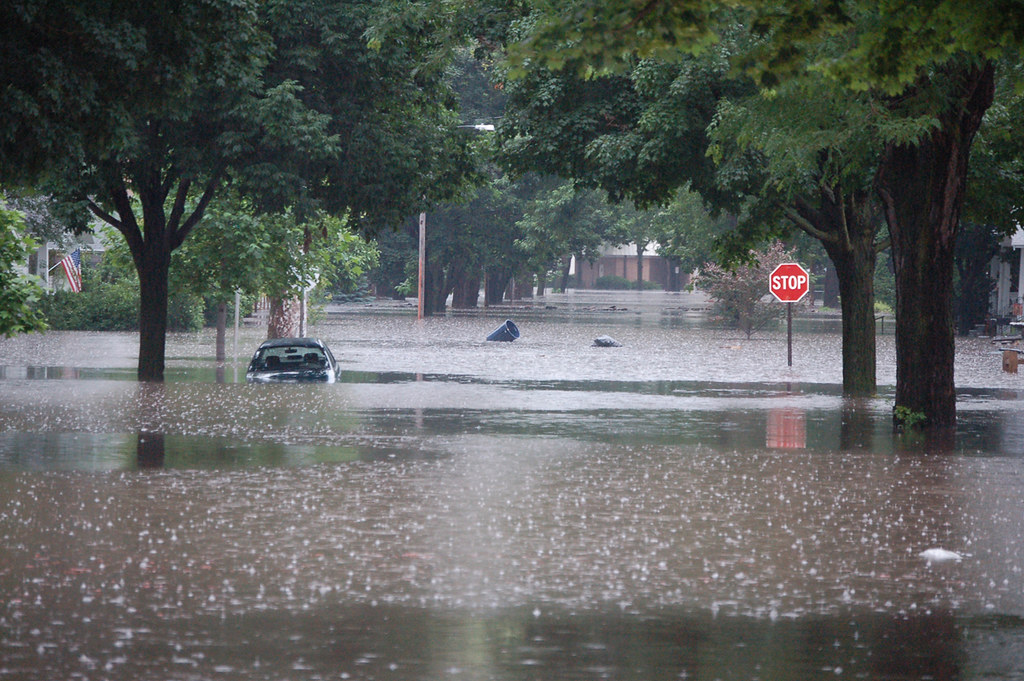
September 2026 Flash Flood Warning — Hurricane, Ivins, Santa Clara & more — Emergency Restoration
- Recovery resources and next steps
- Insurance claim guidance
- Lessons learned for future prevention
- Professional restoration support
Mold can start growing within 24–48 hours of water exposure. Fast extraction and drying dramatically reduce secondary damage and health risks.
Live Conditions
Real-time weather radar for Utah
- Do NOT stand in water near electrical outlets or appliances
- Shut off main water supply if the source is a pipe or appliance
- Turn off electricity to affected areas at the breaker — only if safe to reach
- Do NOT use household vacuums on standing water
- Move to higher ground if water is rising rapidly
How DRT Helped Utah Recover from the September 2026 Flash Flood Warning — Hurricane, Ivins, Santa Clara & More
On September 28, 2026, the National Weather Service Salt Lake City issued a Flash Flood Warning at 4:57 PM MDT, affecting communities across Washington County including Hurricane, Ivins, Santa Clara, and surrounding areas. The warning remained in effect through 9:00 PM MDT — but for many homeowners and business owners, the aftermath lasted far longer.
The Disaster Repair Team (DRT) mobilized immediately and worked alongside affected residents throughout the recovery process. This page serves as a case study and practical resource for anyone navigating flood damage recovery — whether from this event or a future one.
If you are still dealing with damage from this storm, we are here to help. Call us 24/7: 385-287-6344
What Residents Were Advised to Do Immediately After the Flooding
In the hours and days following the flash flood, DRT guided affected residents through these critical first steps. If you are recovering from any flood event, these same steps apply:
- Prioritize your family's safety first. Do not re-enter your home until floodwaters have fully receded and authorities have confirmed it is safe to do so.
- Document all damage thoroughly. Before touching or moving anything, photograph and video every affected area — walls, flooring, personal belongings, and any visible structural damage. This documentation is essential for your insurance claim.
- Avoid structurally compromised areas. Floodwater can weaken foundations, floors, and walls in ways that are not immediately visible. When in doubt, stay out.
- Contact your insurance company promptly. Report the damage as soon as possible to begin your claims process. Note your claim number and adjuster's contact information.
- Call DRT to begin professional restoration. The sooner water extraction and structural drying begins, the less secondary damage — including mold — you will face. Call us any time: 385-287-6344
How DRT Responded to the September 2026 Flash Flood
When the warning was issued, DRT's crews were already on standby. Within hours of the floodwaters beginning to recede, our teams were on the ground in Hurricane, Ivins, Santa Clara, and neighboring communities, providing the full range of emergency restoration services that Washington County residents needed:
- Emergency water extraction — removing standing water quickly to minimize absorption into walls, subfloors, and structural framing
- Industrial structural drying — deploying commercial-grade dehumidifiers and air movers to dry affected structures from the inside out
- Board-up and tarping services — securing properties with compromised windows, doors, or roofing to prevent further damage or intrusion
- Mold remediation — identifying and addressing mold growth that began in the days following the flood event
- Smoke and soot removal — for properties that experienced fire damage in conjunction with storm damage
- Full rebuild coordination — managing the restoration process from initial mitigation through complete structural and cosmetic repair
- Direct insurance coordination — working alongside homeowners and their insurance adjusters to document damage, support claims, and keep the process moving
DRT has responded to flooding events across Southern Utah repeatedly, and this storm was no different. Our familiarity with Washington County's terrain, soil saturation patterns, and the specific challenges of desert flash flooding meant our crews arrived prepared for what they would find.
Lessons Learned: What the September 2026 Flood Taught Utah Homeowners
Every major weather event leaves behind hard-won knowledge. Here is what DRT observed — and what residents learned — during and after the September 2026 flash flood recovery:
1. Speed matters more than most people expect.
Homeowners who contacted DRT within the first 24 hours consistently experienced less secondary damage than those who waited. In Southern Utah's heat, mold can begin establishing itself within 24–48 hours of a flood event. Early extraction and drying made a measurable difference in both restoration timelines and overall costs.
2. Desert communities are not immune to serious flash flooding.
Many residents in Hurricane, Ivins, and Santa Clara underestimated flood risk because of the region's dry climate. In reality, the hard-packed desert soil and rocky terrain of Washington County can cause water to run off rapidly and pool aggressively — sending significant water into structures that homeowners believed were not at risk.
3. Documentation protects you in the claims process.
Residents who photographed and video-recorded damage before beginning any cleanup had significantly smoother insurance experiences. Those who began removing damaged materials before documentation sometimes faced disputes over the scope of loss. Always document first.
4. Standard homeowners insurance often does not cover flood damage.
A meaningful number of affected residents discovered during the claims process that flood damage was excluded from their standard policy. Flood coverage typically requires a separate policy through the National Flood Insurance Program (NFIP) or a private flood insurer. If you were affected by this event and faced a coverage gap, speak with your insurance agent about adding flood coverage before the next storm season.
5. DIY drying is rarely sufficient.
Several homeowners attempted to dry out affected spaces using household fans and dehumidifiers. While well-intentioned, consumer-grade equipment does not deliver the airflow or moisture extraction capacity needed to dry structural materials — framing, subfloor, insulation — adequately. In multiple cases, DRT discovered hidden moisture and early mold growth in spaces that had appeared dry to the naked eye. Professional moisture mapping is the only reliable way to confirm a structure is truly dry.
6. Having a restoration company's number saved in your phone matters.
In a fast-moving emergency, the last thing you want to do is search for a reputable contractor under pressure. Residents who already knew who to call got help faster. Save DRT's number now: 385-287-6344
Is Your Home Still Showing Signs of Flood Damage?
If your property was affected by the September 2026 flash flood and you are still noticing musty odors, warped flooring, discolored walls, or other signs of lingering moisture damage, it is not too late to get professional help. Hidden moisture and mold can continue to cause structural and health problems long after the visible water is gone.
DRT offers professional moisture assessments and is experienced working with insurance carriers on delayed or reopened claims.
Call DRT today: 385-287-6344
We serve Hurricane, Ivins, Santa Clara, St. George, Washington City, La Verkin, Toquerville, and all surrounding Washington County communities. Available 24 hours a day, 7 days a week.
Affected Areas
Select a city for location-specific emergency information and restoration resources.
What to Expect When You Call
Here's how DRT responds to emergency calls:
Need Help Now?
The Disaster Repair Team provides 24/7 emergency restoration services across Utah.
Request Help Online