Emergency Flood & Water Damage Restoration — St. George
- Recovery resources and next steps
- Insurance claim guidance
- Lessons learned for future prevention
- Professional restoration support
Mold can start growing within 24–48 hours of water exposure. Fast extraction and drying dramatically reduce secondary damage and health risks.
Live Conditions
Real-time weather radar for Utah
How DRT Helped St. George Recover from the September 2026 Flash Flood — A Community Recovery Case Study
Serving Hurricane, Ivins, Santa Clara, Washington City, and the greater St. George area
On September 28, 2026, the National Weather Service in Salt Lake City issued a Flash Flood Warning for the St. George area, effective from 4:57 PM MDT through 9:00 PM MDT. What followed was a challenging night for homeowners and businesses across Washington County — and a demonstration of what rapid, experienced local response looks like when it matters most.
The Disaster Repair Team (DRT) mobilized immediately, responding to calls across St. George, Hurricane, Ivins, Santa Clara, and Washington City throughout the event and in the days that followed. This page documents what happened, what we learned, and what every local property owner should know before — and after — a flash flood.
Dealing with flood damage now or preparing for next time? Call DRT 24/7: 385-287-6344
What Happened: The September 2026 Flash Flood Event
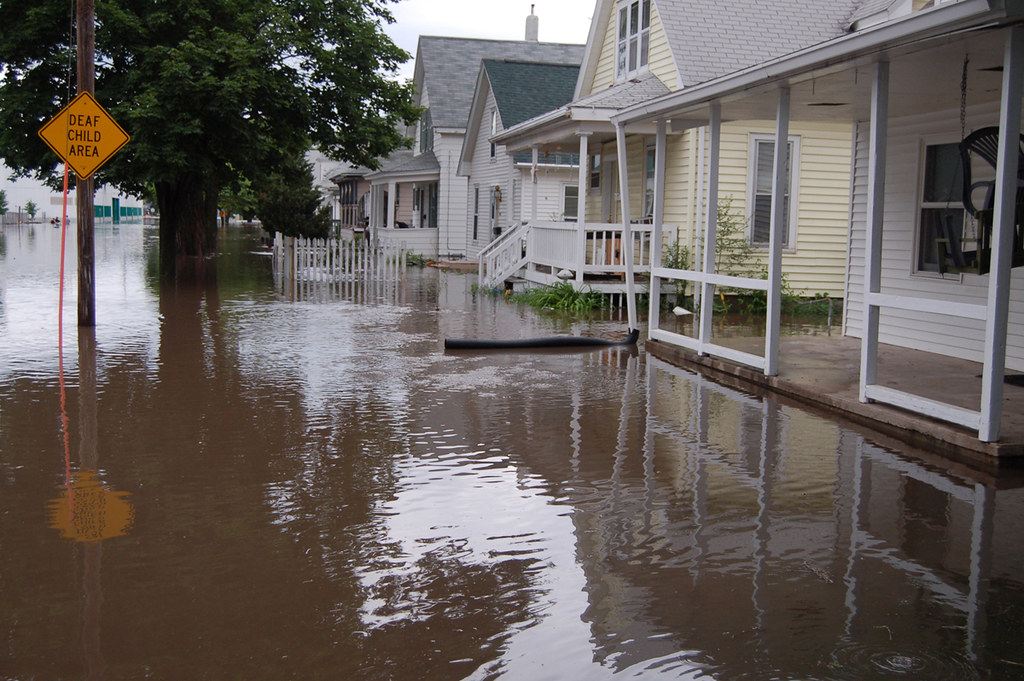
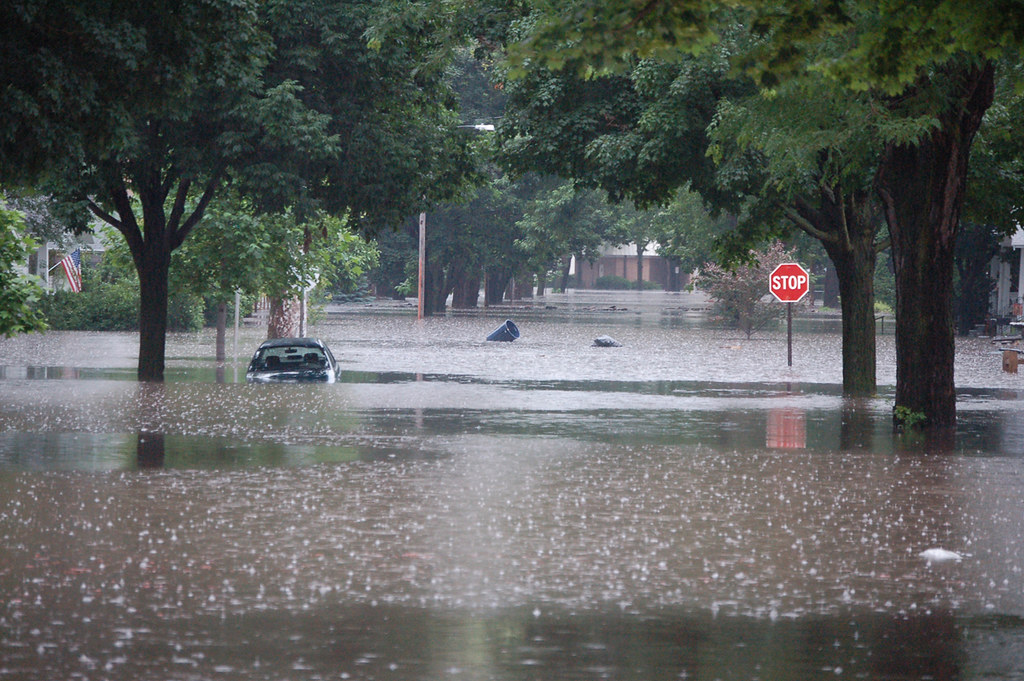
Flash floods are a known and recurring threat across Washington County. The region's red rock terrain, hardpan desert soil, and dry washes mean that even moderate rainfall can produce rapid, destructive flooding with little warning. The September 28 event was no exception — water moved quickly through neighborhoods, entered homes and commercial buildings, and left behind mud, debris, and moisture that required immediate professional attention.
DRT crews were on the ground within hours of the first calls, performing emergency water extraction, structural assessments, and board-up services across multiple affected communities simultaneously.
What to Do After a Flash Flood: The Steps That Mattered
In the aftermath of the September 2026 event, the homeowners who fared best were those who took fast, methodical action. Here is the recovery checklist DRT recommends — the same steps we walked hundreds of local families through after this event:
- Confirm your family's safety first. Do not re-enter your home until local authorities have confirmed it is safe to do so.
- Document all damage thoroughly. Before touching or moving anything, photograph and video every affected area. This documentation is critical for insurance claims.
- Avoid structurally compromised areas. Floodwater can weaken floors, walls, and foundations in ways that are not immediately visible. When in doubt, stay out.
- Contact your insurance company promptly. Report the loss as soon as possible. Ask about your coverage for water damage, contents, and additional living expenses if you were displaced.
- Call a professional restoration team immediately. The first 24–48 hours are critical. Standing water and hidden moisture left unaddressed lead to mold growth, structural deterioration, and significantly higher repair costs. DRT works directly with your insurance company to simplify the process.
Need restoration help now or planning ahead? DRT is available 24/7: 385-287-6344
How DRT Responded: Services Deployed After the September 2026 Flood
DRT provided the full spectrum of emergency and restoration services to affected properties across the St. George area following this event, including:
- 24/7 emergency water extraction and pumping
- Structural drying using industrial air movers and dehumidifiers
- Moisture mapping and monitoring
- Board-up and emergency tarping to secure compromised structures
- Mud and debris removal
- Mold remediation and prevention treatment
- Smoke and soot removal (where fire-related damage co-occurred)
- Full rebuild and reconstruction coordination
- Direct insurance billing and claims support
Because DRT is locally based in Washington County, our crews were already familiar with the neighborhoods, drainage patterns, and common construction types affected — which meant faster assessment and fewer surprises during remediation.
Lessons Learned: What the September 2026 Flood Taught Our Community
Every disaster leaves behind knowledge. Here is what the September 2026 event reinforced for homeowners, businesses, and our own team:
1. Flash Floods Move Faster Than Most People Expect
Several homeowners reported that water entered their properties within minutes of the warning being issued. In Washington County's landscape, there is rarely time to move belongings or prepare after a warning is active. Pre-event preparation — knowing your flood risk zone, having sandbags on hand, and keeping valuables elevated — makes a measurable difference.
2. Hidden Moisture Is the Biggest Long-Term Threat
Many of the most serious damage cases DRT handled after this event were not from visible flooding — they were from water that had wicked into wall cavities, subfloor assemblies, and insulation. Homeowners who attempted DIY drying with household fans faced mold problems weeks later. Professional moisture mapping is not optional; it is essential.
3. Delays Cost More Than the Emergency Call
Properties where remediation was delayed by even 48–72 hours required significantly more extensive mold remediation and structural repair. The cost of calling DRT on day one is almost always lower than the cost of the additional damage that accumulates while waiting.
4. Insurance Documentation Starts at the First Moment of Damage
Claims that moved smoothly through the insurance process had one thing in common: thorough, time-stamped photo and video documentation taken before any cleanup began. We now remind every caller to document first, then act.
5. Community Preparedness Is a Shared Responsibility
Washington County's rapid growth means more impervious surfaces, more pressure on drainage infrastructure, and more properties in historically low-risk areas now experiencing flooding. Knowing your risk — and having a plan — matters more than ever.
DRT: Washington County's Local Restoration Team
The Disaster Repair Team is not a national franchise dispatched from out of state. We are a locally based restoration company with deep roots in Washington County. We have responded to flash floods, wind events, and water damage across St. George, Hurricane, Ivins, Santa Clara, Washington City, and surrounding communities — and we bring that local knowledge to every job.
We provide 24/7 emergency response, work directly with all major insurance carriers, and see every project through from initial extraction to final rebuild. When the next weather event hits, we will be here — because we already have been.
For flood damage restoration, mold remediation, or emergency services anywhere in the St. George area, call DRT any time: 385-287-6344
```Most homeowner policies cover sudden water damage (burst pipes, appliance failures). Natural flooding typically requires separate flood insurance. Either way, DRT documents everything from day one — moisture readings, photos, scope of work — so your claim is supported whether it goes through your standard policy or a flood policy.
Frequently Asked Questions
How quickly does mold grow after flooding?
Will my homeowner's insurance cover flood damage restoration?
What should I NOT do after my home floods?
How quickly can DRT respond?
Do I need to file my insurance claim before calling DRT?
DRT serves St. George and surrounding areas. View our full St. George service area page for more about our restoration services in your area, or browse all service areas.
Need Help Now?
The Disaster Repair Team provides 24/7 emergency restoration services across Utah.
Request Help Online