Emergency Flood & Water Damage Restoration — Santa Clara
- Recovery resources and next steps
- Insurance claim guidance
- Lessons learned for future prevention
- Professional restoration support
Mold can start growing within 24–48 hours of water exposure. Fast extraction and drying dramatically reduce secondary damage and health risks.
Live Conditions
Real-time weather radar for Utah
How DRT Helped Santa Clara Recover from the September 2026 Flash Flood — A Local Recovery Guide
Hurricane, Ivins, Santa Clara & Surrounding Areas | Flash Flood Event: September 28, 2026
On September 28, 2026, the National Weather Service Salt Lake City issued a Flash Flood Warning for the Santa Clara area, effective from 4:57 PM MDT through 9:00 PM MDT. Homes and businesses across Santa Clara, Hurricane, and Ivins were impacted by rapidly rising water, leaving many families and property owners facing significant damage in the aftermath.
The Disaster Repair Team (DRT) mobilized immediately and worked alongside affected residents throughout the recovery process. This page serves as a permanent resource for anyone dealing with flood damage in Washington County — whether from this event or a future one.
If you're dealing with flood damage now, we're still here. Call 24/7: 385-287-6344
What Happened: The September 28, 2026 Flash Flood Warning
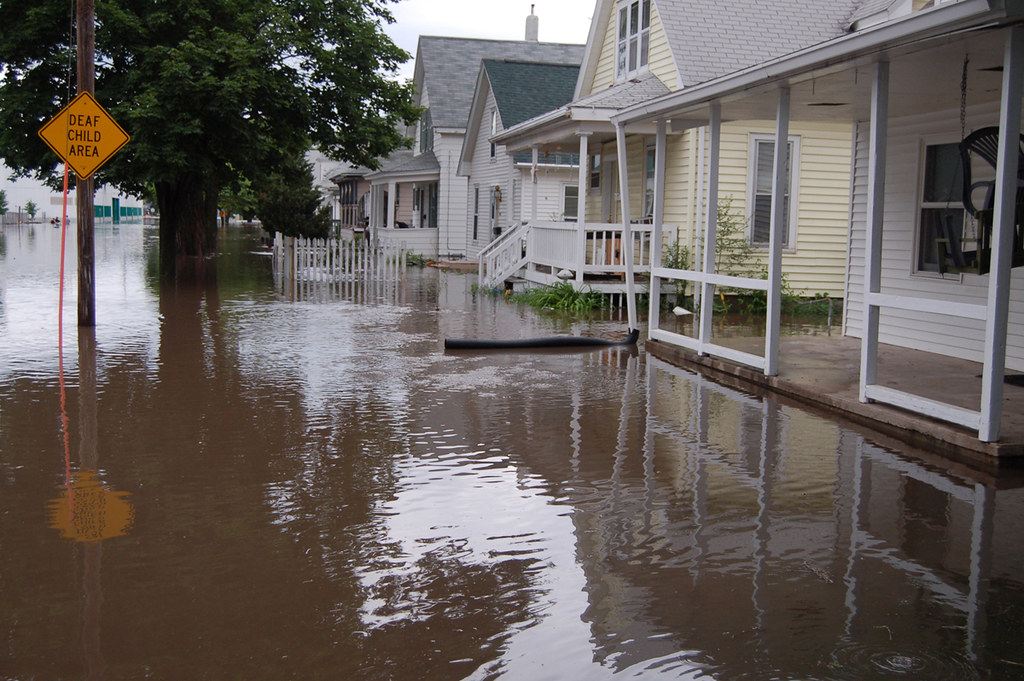
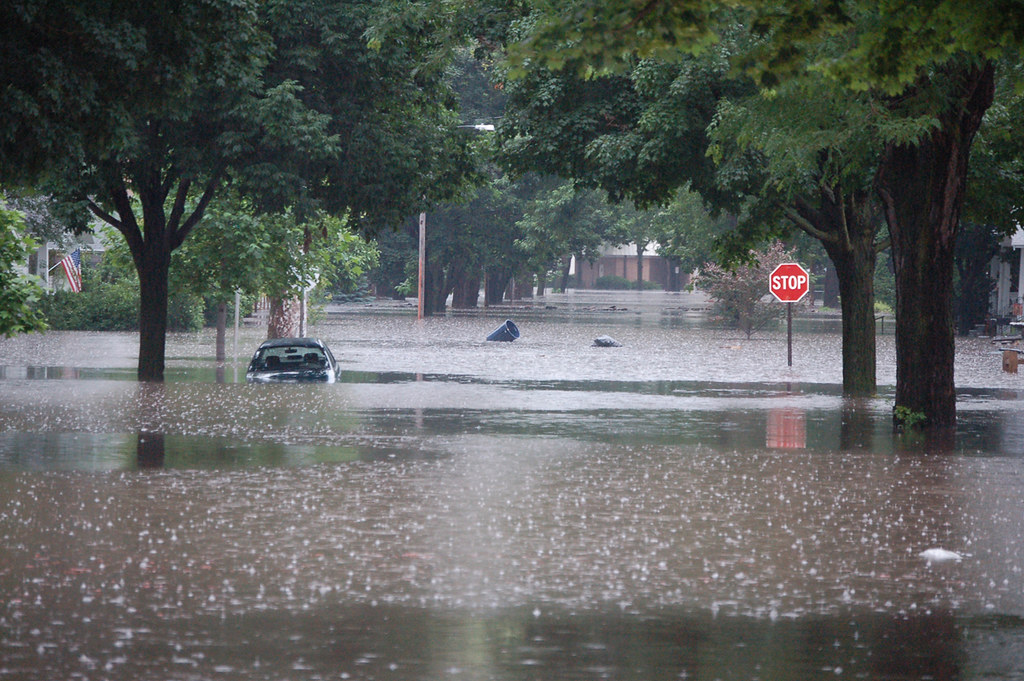
The flash flood warning covered a multi-hour window during which intense rainfall sent water rushing through low-lying areas and drainage channels across the Santa Clara, Hurricane, and Ivins communities. Residents reported flooded basements, compromised foundations, debris intrusion, and standing water in living areas. DRT crews were on the ground responding to calls within hours of the warning being issued.
What to Do After a Flood: The Steps That Helped Santa Clara Residents Recover
During and immediately after the September 2026 event, the homeowners who recovered fastest were those who acted quickly and methodically. Here's the checklist DRT recommended — and that proved effective in the field:
- Prioritize your family's safety first. Before re-entering any flooded structure, confirm the building was structurally sound and that utilities had been safely shut off.
- Document all damage with photos and video. Residents who thoroughly documented damage before cleanup began had significantly smoother insurance claims.
- Avoid entering structurally compromised areas. Floodwater can weaken floors, walls, and foundations in ways that aren't immediately visible.
- Contact your insurance company as soon as possible. Early notification helped policyholders in this event get adjusters on-site faster.
- Call a licensed restoration contractor before attempting DIY cleanup. Improper drying led to mold growth in several properties where professional extraction was delayed.
Need help now or in the future? DRT is available 24/7: 385-287-6344
How DRT Responded: Services Deployed in the September 2026 Recovery
DRT provided comprehensive emergency restoration services to Santa Clara-area residents and businesses following this event. Our crews delivered:
- Water extraction — High-capacity pumping and wet vacuuming to remove standing water quickly
- Structural drying — Industrial dehumidifiers and air movers deployed to dry wall cavities, subfloors, and framing
- Board-up and temporary protection — Securing properties against further weather or unauthorized entry
- Mold remediation — Identifying and treating microbial growth that developed in properties where moisture lingered
- Smoke and soot removal — Where secondary damage from electrical issues occurred
- Full rebuild coordination — From structural repairs to finish work, DRT managed the process end-to-end
- Direct insurance billing — DRT worked directly with insurance carriers to reduce the burden on homeowners
DRT is locally based and has responded to flooding, fire, and storm damage events throughout Washington County. We know the terrain, the soil conditions, and the specific challenges that flash flooding presents in the Hurricane and Santa Clara valley areas.
Lessons Learned: What the September 2026 Flood Taught Washington County Homeowners
After responding to dozens of properties in the aftermath of this event, DRT's crews and project managers identified several consistent patterns. These lessons are worth sharing for every homeowner in flash flood-prone areas of Southern Utah:
- Speed matters more than most people expect. In Southern Utah's climate, mold can begin developing within 24–48 hours of water intrusion. Properties where extraction was delayed by even a day often required significantly more remediation work.
- Flash floods arrive faster than the warning window suggests. Several homeowners reported water entering their properties before they had time to move valuables or sandbag entry points. Having a basic emergency plan in place before storm season proved valuable.
- Not all water damage is visible. Water that entered through foundation cracks, window wells, or garage doors often traveled further into wall systems and subflooring than was apparent on the surface. Thermal imaging revealed hidden moisture in multiple properties.
- Insurance documentation done right makes a real difference. Homeowners who called DRT before touching anything were better positioned for insurance recovery. Photos, video, and a detailed damage inventory — captured before cleanup — resulted in more complete claim payouts.
- Local matters. National restoration franchises dispatched crews from outside the region who were unfamiliar with local soil drainage patterns, building types, and permit requirements. DRT's local knowledge helped accelerate project timelines.
- Prepare before the next warning. After experiencing this event, many Santa Clara residents took steps to improve drainage around their foundations, install sump pumps, and identify a restoration contractor in advance — so they weren't searching during an emergency.
DRT: Washington County's Experienced Local Restoration Team
DRT has responded to flooding, fire, and storm damage events across Hurricane, Ivins, Santa Clara, St. George, and surrounding Washington County communities. When the September 2026 flash flood warning was issued, we were already mobilizing — because we've been through this before, and we know what it takes to restore properties and bring families home faster.
If you experienced damage during this event and are still dealing with the aftermath — or if you're facing a new emergency — our team is ready to help.
- 24/7 emergency response
- Licensed and insured in Utah
- Direct insurance billing
- Full-service restoration and rebuild
- Locally owned and operated in Washington County
Call DRT anytime: 385-287-6344
Get Help Now — Free Assessment for Flood-Damaged Properties
```Most homeowner policies cover sudden water damage (burst pipes, appliance failures). Natural flooding typically requires separate flood insurance. Either way, DRT documents everything from day one — moisture readings, photos, scope of work — so your claim is supported whether it goes through your standard policy or a flood policy.
Frequently Asked Questions
How quickly does mold grow after flooding?
Will my homeowner's insurance cover flood damage restoration?
What should I NOT do after my home floods?
How quickly can DRT respond?
Do I need to file my insurance claim before calling DRT?
DRT serves Santa Clara and surrounding areas. View our full Santa Clara service area page for more about our restoration services in your area, or browse all service areas.
Need Help Now?
The Disaster Repair Team provides 24/7 emergency restoration services across Utah.
Request Help Online