Emergency Flood & Water Damage Restoration — Ivins
- Recovery resources and next steps
- Insurance claim guidance
- Lessons learned for future prevention
- Professional restoration support
Mold can start growing within 24–48 hours of water exposure. Fast extraction and drying dramatically reduce secondary damage and health risks.
Live Conditions
Real-time weather radar for Utah
How DRT Helped Ivins Recover from the September 2026 Flash Flood — A Community Recovery Resource
Flash Flood Warning: September 28, 2026 at 4:57PM MDT — Ivins, Santa Clara, Hurricane & Surrounding Areas
On the evening of September 28, 2026, the National Weather Service in Salt Lake City issued a Flash Flood Warning for communities across Washington County — including Ivins, Santa Clara, and Hurricane — effective until 9:00PM MDT. Within hours, the Disaster Repair Team (DRT) was on the ground, helping homeowners and businesses begin the recovery process.
If your property was affected by this event — or if you're dealing with flood damage now — this page documents what happened, what worked, and how DRT can help you recover.
Call DRT anytime, 24/7: 385-287-6344
What Happened: The September 28 Flash Flood Event
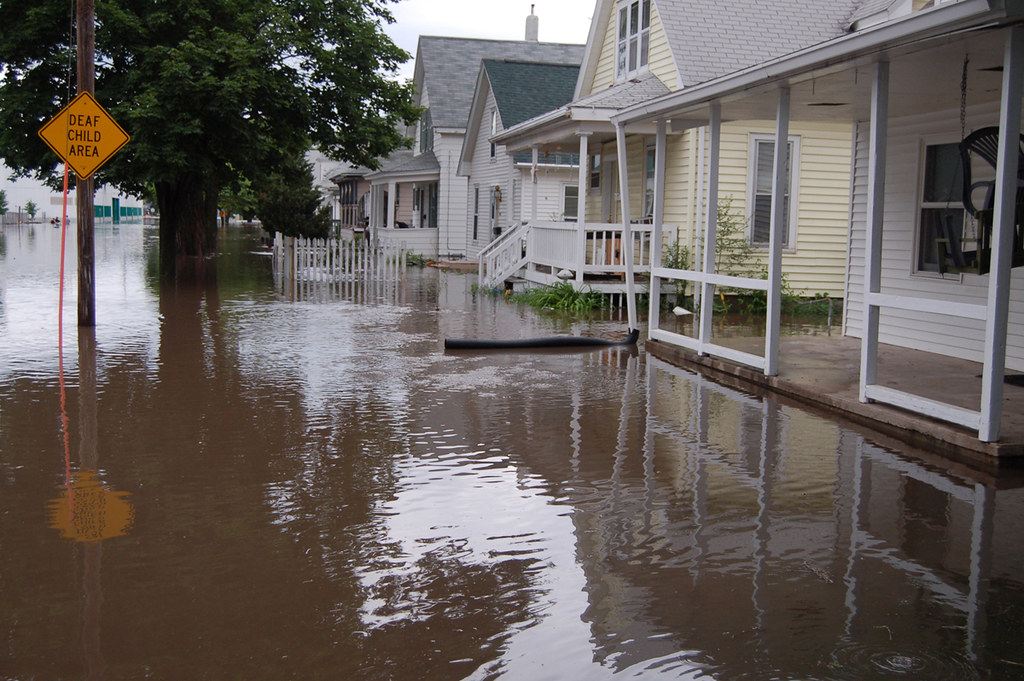
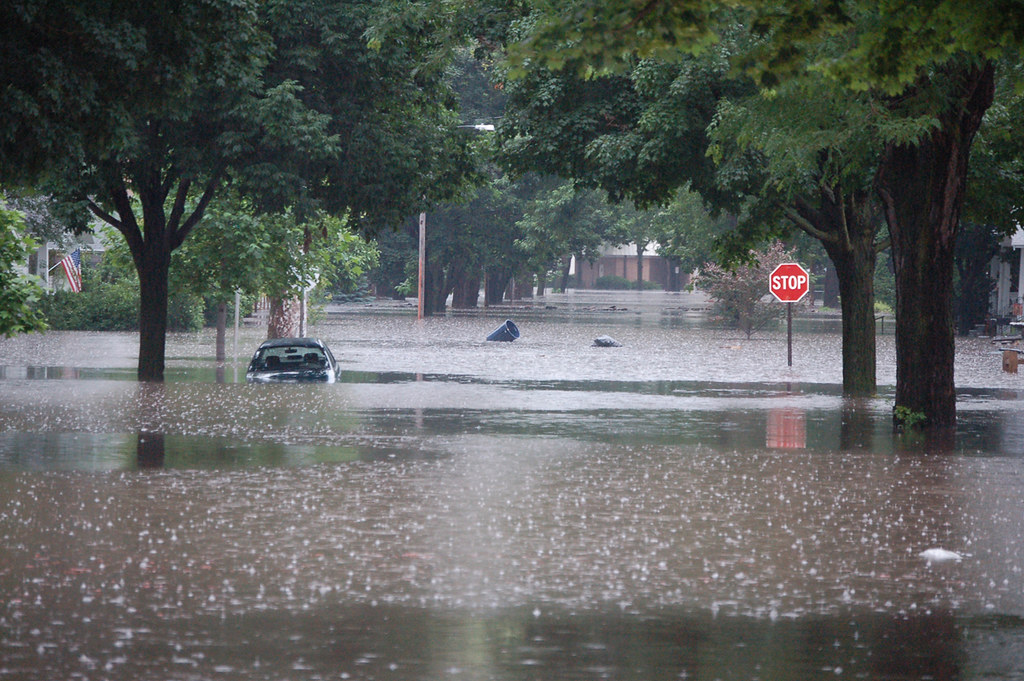
The NWS Salt Lake City issued an urgent Flash Flood Warning at 4:57PM MDT on September 28, 2026, covering Ivins, Santa Clara, Hurricane, and neighboring communities in Washington County. Fast-moving water caused rapid flooding across residential streets, washes, and low-lying properties. Homes and businesses experienced water intrusion, structural damage, and immediate safety hazards — often with little warning.
DRT mobilized response teams across the affected area and began taking calls within minutes of the warning being issued. By the time the warning expired at 9:00PM, crews were already on-site at multiple properties performing emergency water extraction and assessment.
What Homeowners Did Right: A Post-Flood Action Guide
In the aftermath of the September 2026 flood, the homeowners who recovered fastest were the ones who took the right steps immediately. Here's what made the difference:
- Prioritized family safety first. Residents who waited until floodwaters fully receded before re-entering their homes avoided preventable injuries from hidden hazards, electrical dangers, and unstable structures.
- Documented all damage thoroughly. Homeowners who photographed and video-recorded every affected area — before touching anything — had significantly stronger insurance claims and faster settlements.
- Avoided structurally compromised areas. Flood events can weaken floors, walls, and foundations invisibly. Staying out of damaged areas until a professional assessed them prevented additional injuries.
- Contacted their insurance company promptly. Filing claims quickly put homeowners at the front of the line for adjuster visits and expedited the approval of emergency restoration work.
- Called DRT early. The faster water extraction and structural drying began, the less secondary damage — especially mold — homeowners faced in the weeks that followed. Every hour matters after a flood.
Dealing with flood damage now? The same steps apply. Call DRT: 385-287-6344
How DRT Responded to the September 2026 Flood
DRT provided full-spectrum emergency restoration services across Ivins, Santa Clara, Hurricane, and surrounding communities in the days and weeks following the event. Services included:
- Emergency water extraction — standing water was removed quickly to limit structural saturation and prevent mold growth
- Structural drying — industrial-grade drying equipment was deployed to walls, floors, and subfloors to reach moisture hidden inside building materials
- Board-up and property securing — damaged entries, windows, and rooflines were secured to prevent further loss and unauthorized access
- Mold remediation — properties where drying was delayed or moisture was trapped were assessed and treated to stop mold before it spread
- Full rebuild coordination — DRT managed the restoration from initial damage through complete structural repair, serving as a single point of contact for homeowners and insurers
- Direct insurance coordination — DRT worked directly with insurance adjusters on behalf of property owners to document damage, support claims, and streamline approvals
Lessons Learned: What the September 2026 Flood Taught Our Community
Having responded to this event firsthand, DRT came away with important lessons that every Ivins, Santa Clara, and Hurricane homeowner should know before the next flash flood warning.
1. Flash floods move faster than you expect
The September 28 warning was issued with less than four hours until expiration — but significant damage occurred within the first hour. Residents who had a plan acted faster and with less panic than those who didn't.
Lesson: Know your local flood zones, keep a go-bag ready, and have DRT's number saved before you need it.
2. Waiting to call for help is one of the costliest decisions
Properties where water sat for 24–48 hours before extraction began required significantly more mold remediation and structural repair than those where DRT was called the same evening. In many cases, the delayed properties took weeks longer to restore — and cost thousands more.
Lesson: Call for water extraction the moment it is safe to do so. Don't wait for the adjuster to visit first.
3. Documentation is the difference between a full claim and a disputed one
Homeowners who photographed their damage immediately — and who saved damaged materials until the adjuster arrived — received stronger settlements. Those who cleaned up first often struggled to prove the extent of loss.
Lesson: Document everything. Photograph every room, every item, every waterline. Then call DRT and your insurer.
4. Mold can begin growing in as little as 24–48 hours
Several properties that appeared minimally affected on the surface developed significant mold issues within two weeks because moisture had penetrated wall cavities and subfloors. Standard fans and dehumidifiers are not sufficient — professional moisture mapping and drying equipment are required.
Lesson: If your home experienced any water intrusion, have it professionally assessed for hidden moisture — even if it looks dry.
5. Local matters
DRT's teams were already familiar with Washington County's drainage patterns, soil conditions, and common construction types — which meant faster assessment and more targeted restoration. Out-of-area contractors who came in after the flood often lacked that context.
Lesson: Work with a restoration team that knows your community and has responded here before.
DRT Is Ready When You Need Us
The September 2026 flash flood wasn't the first time DRT responded to an emergency in Ivins, Santa Clara, or Hurricane — and it won't be the last. We are a local team with deep roots in Washington County, and we've built our processes specifically for the kinds of weather events this region experiences.
Whether you're dealing with lingering effects from a past flood event or are facing damage right now, DRT is available 24 hours a day, 7 days a week.
Call us now: 385-287-6344
We work directly with your insurance company. We handle water extraction, structural drying, mold remediation, board-up, and full rebuild — from first call to final walkthrough.
```Most homeowner policies cover sudden water damage (burst pipes, appliance failures). Natural flooding typically requires separate flood insurance. Either way, DRT documents everything from day one — moisture readings, photos, scope of work — so your claim is supported whether it goes through your standard policy or a flood policy.
Frequently Asked Questions
How quickly does mold grow after flooding?
Will my homeowner's insurance cover flood damage restoration?
What should I NOT do after my home floods?
How quickly can DRT respond?
Do I need to file my insurance claim before calling DRT?
DRT serves Ivins and surrounding areas. View our full Ivins service area page for more about our restoration services in your area, or browse all service areas.
Need Help Now?
The Disaster Repair Team provides 24/7 emergency restoration services across Utah.
Request Help Online