Emergency Flood & Water Damage Restoration — Washington City
- Recovery resources and next steps
- Insurance claim guidance
- Lessons learned for future prevention
- Professional restoration support
Mold can start growing within 24–48 hours of water exposure. Fast extraction and drying dramatically reduce secondary damage and health risks.
Live Conditions
Real-time weather radar for Utah
How DRT Helped Washington City Recover from the September 2026 Flash Flood — A Community Recovery Guide
Serving Hurricane, Ivins, Santa Clara, Washington City, and surrounding St. George area communities
On September 28, 2026, the National Weather Service Salt Lake City issued a Flash Flood Warning at 4:57 PM MDT for Washington City and surrounding communities — including Hurricane, Ivins, and Santa Clara — lasting through 9:00 PM MDT that evening. Within hours, homes and businesses across the area had sustained significant water damage, and the Disaster Repair Team (DRT) was on the ground responding.
This page serves as a permanent resource for Washington County residents who experienced flooding damage — whether during this event or any future storm. If you're still dealing with the aftermath, our team is ready to help today.
Call DRT now: 385-287-6344
What Happened: The September 2026 Flash Flood Warning
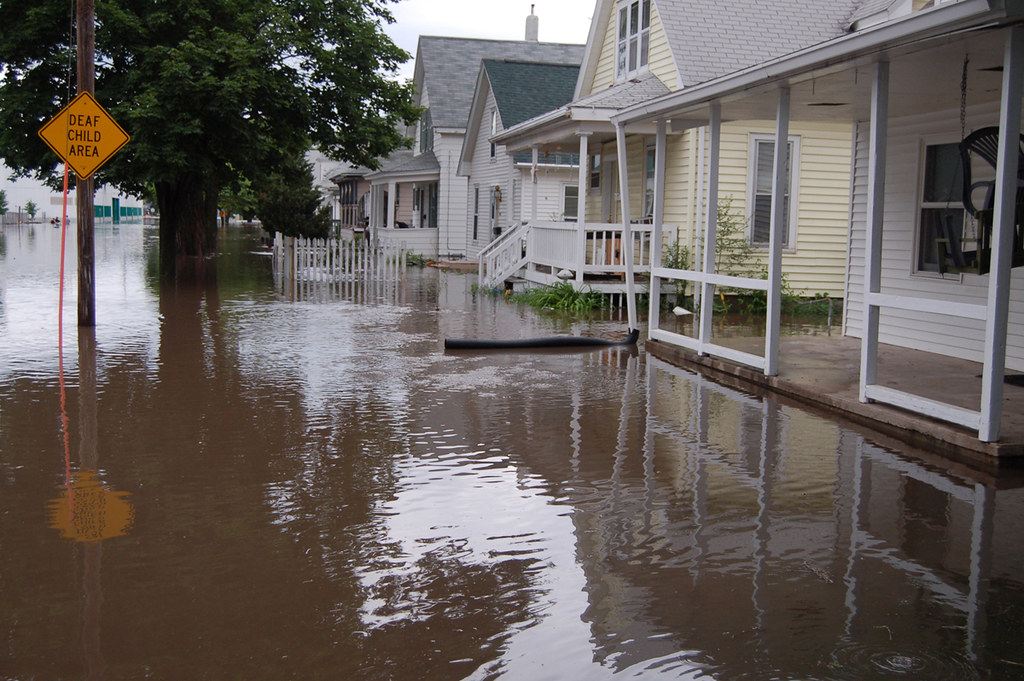
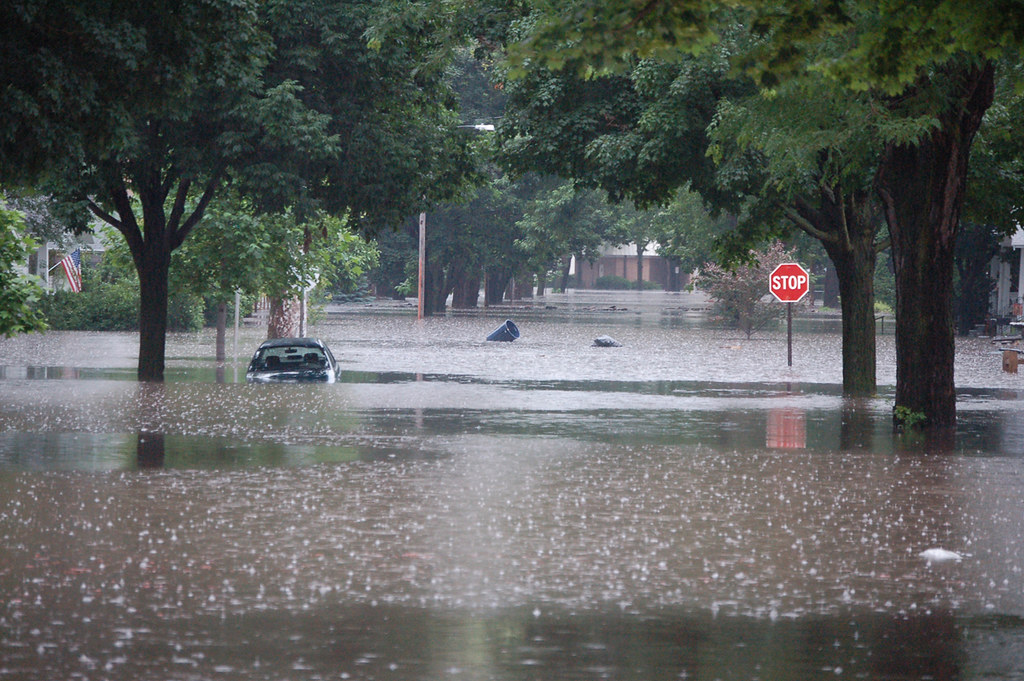
Flash flooding in Washington County is not uncommon during late-summer monsoon season, but the September 28 event moved quickly and caught many residents off guard. Water entered homes and businesses across low-lying areas of Washington City, Hurricane, Santa Clara, and Ivins. Roads flooded, drainage systems were overwhelmed, and many property owners faced standing water inside their structures within minutes of the storm's peak intensity.
DRT deployed emergency crews that evening and continued working through the days and weeks that followed, helping dozens of local families and business owners navigate the restoration process from initial water extraction through full rebuild.
What to Do After a Flood: The Steps That Made a Difference
In the aftermath of the September 2026 flood, the homeowners and business owners who fared best were those who acted quickly and methodically. Here's the recovery checklist DRT recommended — and that proved effective across the Washington City area:
- Prioritize your family's safety first. Before re-entering any flooded structure, confirm that utilities have been safely shut off and that there are no signs of structural compromise such as sagging ceilings, buckled walls, or unstable flooring.
- Document all damage thoroughly. Photograph and video every affected area before any cleanup begins. This documentation became critical for insurance claims filed after the September event.
- Avoid structurally compromised areas. Even after water receded, many structures showed signs of instability. Residents who waited for a professional assessment avoided preventable injuries.
- Contact your insurance company as soon as possible. Filing a claim early put Washington City homeowners ahead of the curve during what became a high-volume period for local insurers.
- Call DRT for professional water extraction and drying. Time is critical — mold can begin developing within 24 to 48 hours of water intrusion. Early intervention by a certified restoration team significantly reduced long-term damage and remediation costs for those who called quickly.
Dealing with flood damage now? Call DRT 24/7: 385-287-6344
How DRT Responded: Services Deployed After the September 2026 Flood
DRT provided comprehensive emergency restoration and recovery services to Washington County residents and business owners in the days and weeks following the flash flood event. Our team coordinated directly with homeowners' insurance carriers throughout the process, reducing the administrative burden on affected families during an already stressful time.
Services deployed during the September 2026 flood response included:
- Emergency water extraction — rapid removal of standing water from homes and commercial properties
- Structural drying — industrial drying equipment deployed to prevent secondary damage to walls, subfloors, and framing
- Board-up and tarping — emergency weatherproofing for properties with compromised exteriors
- Mold remediation — assessment and remediation for structures where drying was delayed or moisture had penetrated deeply
- Smoke and soot removal — for properties that experienced combined flood and fire damage
- Full rebuild coordination — end-to-end project management from damage assessment through finished restoration
- Direct insurance billing — DRT worked directly with insurers on behalf of policyholders
DRT is a licensed, locally based restoration contractor serving Washington City, Hurricane, Ivins, Santa Clara, and the broader St. George metro area. We've been through floods like this before — and we know what it takes to bring Washington County homes back to pre-loss condition.
Lessons Learned: What Washington County Residents Told Us After the September 2026 Flood
After working with dozens of property owners through the recovery process, DRT gathered consistent feedback about what helped — and what homeowners wished they had known sooner. These lessons are shared here as a resource for anyone preparing for or recovering from a flood event in our area.
1. Waiting to call cost more in the long run.
Several homeowners delayed calling a restoration contractor, hoping the water would dry on its own or that damage was less serious than it appeared. In many of those cases, mold had already begun developing by the time DRT arrived, significantly increasing the scope and cost of remediation. Early intervention — ideally within the first 24 hours — consistently produced better outcomes and lower total costs.
2. Documentation before cleanup is non-negotiable.
Insurance adjusters need photographic and video evidence of damage in its original state. Homeowners who cleaned up before documenting — even with good intentions — had more difficulty substantiating their claims. Take photos and video of everything before touching anything.
3. Monsoon season in Washington County requires year-round preparedness.
The September 28 event was not an anomaly. Flash flooding is a recurring risk across the St. George area, particularly in low-lying neighborhoods and areas near wash channels in Hurricane, Santa Clara, and Washington City. Several residents who experienced the September flood used the recovery period to install improved drainage, sump pumps, and flood barriers — investments that will serve them in future events.
4. Working with a contractor who handles insurance directly removed an enormous burden.
Multiple property owners noted that having DRT communicate directly with their insurance adjusters — including providing documentation, damage reports, and scope of work — allowed them to focus on their families rather than paperwork during a difficult time. If you're selecting a restoration contractor, ask whether they work directly with insurers.
5. Local matters.
National restoration chains dispatched crews from outside the region, resulting in delayed arrival times during peak demand. DRT's crews were already stationed in Washington County and were able to respond that same evening. When minutes and hours matter, a locally based team makes a measurable difference.
Is Your Home Still Showing Signs of Flood Damage?
Water damage doesn't always announce itself right away. In the weeks and months after a flood event, many Washington County homeowners discovered secondary damage they hadn't initially noticed — including:
- Musty odors indicating hidden mold growth
- Warped or buckling hardwood floors
- Peeling paint or bubbling drywall
- Persistent humidity or condensation inside the home
- Soft spots in subfloors or walls
If you're experiencing any of these symptoms — even if the original flood occurred months ago — contact DRT for a professional assessment. In many cases, late-discovered damage is still coverable under your original insurance claim if documented and reported appropriately.
Schedule an assessment: 385-287-6344
About Disaster Repair Team (DRT)
DRT is a locally owned and operated restoration contractor based in the St. George area, serving Washington City, Hurricane, Ivins, Santa Clara, and surrounding Washington County communities. We provide 24/7 emergency response for water damage, fire damage, mold remediation, and full property restoration. We work directly with all major insurance carriers and are licensed and certified in residential and commercial restoration.
We were here for Washington County during the September 2026 flash flood. We'll be here for the next one — and for whatever you're facing today.
Call DRT anytime, 24/7: 385-287-6344
```Most homeowner policies cover sudden water damage (burst pipes, appliance failures). Natural flooding typically requires separate flood insurance. Either way, DRT documents everything from day one — moisture readings, photos, scope of work — so your claim is supported whether it goes through your standard policy or a flood policy.
Frequently Asked Questions
How quickly does mold grow after flooding?
Will my homeowner's insurance cover flood damage restoration?
What should I NOT do after my home floods?
How quickly can DRT respond?
Do I need to file my insurance claim before calling DRT?
DRT serves Washington City and surrounding areas. View our full Washington City service area page for more about our restoration services in your area, or browse all service areas.
Need Help Now?
The Disaster Repair Team provides 24/7 emergency restoration services across Utah.
Request Help Online