Emergency Flood & Water Damage Restoration — Hurricane
- Recovery resources and next steps
- Insurance claim guidance
- Lessons learned for future prevention
- Professional restoration support
Mold can start growing within 24–48 hours of water exposure. Fast extraction and drying dramatically reduce secondary damage and health risks.
Live Conditions
Real-time weather radar for Utah
How DRT Helped Hurricane Recover from the September 2026 Flash Flood — A Local Case Study & Resource Guide
On September 29, 2026, the National Weather Service Salt Lake City issued a Flash Flood Warning at 1:43AM MDT for Hurricane, Ivins, Santa Clara, and surrounding Washington County communities. The warning remained in effect until 3:45AM MDT. In the hours and days that followed, the Disaster Repair Team responded to homeowners and businesses throughout the area — and this page documents what happened, what we learned, and how to protect yourself if it ever happens again.
If you are dealing with flood damage right now — from this storm or any other — DRT is still here, still local, and still available 24/7.
Call anytime: 385-287-6344
What the September 2026 Flash Flood Looked Like on the Ground
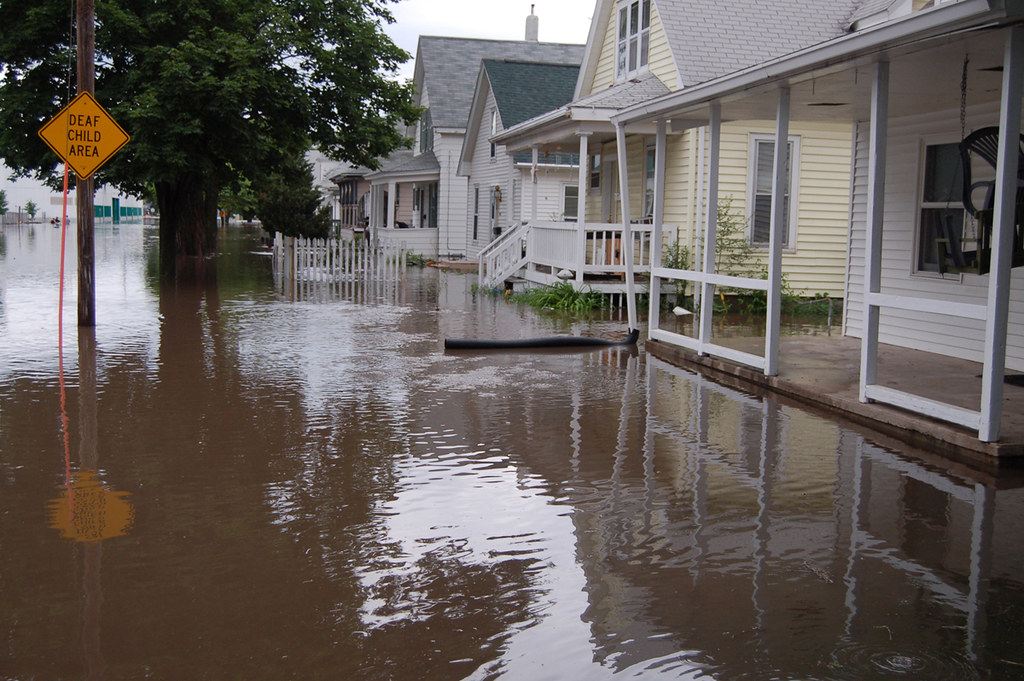
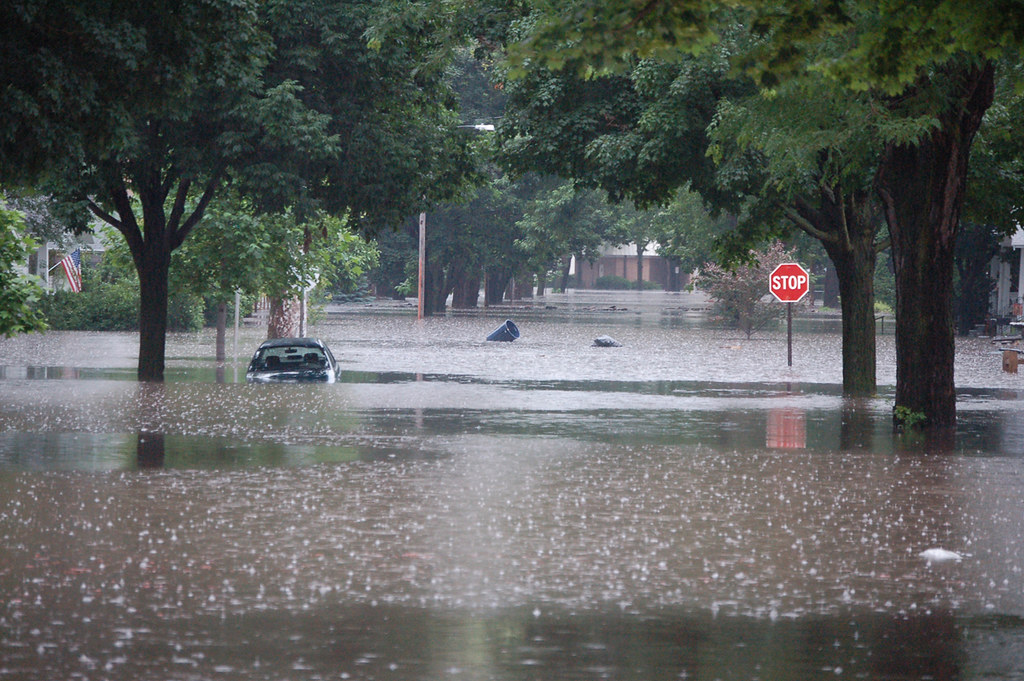
Flash floods in the Hurricane and Washington County area can develop with very little warning, especially overnight. The September 29th event was no exception. Water moved quickly through low-lying neighborhoods, washes, and commercial areas across Hurricane, Ivins, and Santa Clara. Residents woke to flooded garages, water-damaged interiors, and debris-covered driveways. In some cases, floodwaters had already receded by the time the sun came up — leaving behind saturated walls, soaked insulation, and the early conditions for mold growth.
DRT crews were dispatched into the affected areas within hours of the warning lifting, beginning water extraction and structural drying assessments across multiple properties simultaneously.
What Homeowners and Businesses Were Advised to Do — And Why It Still Matters
Whether you experienced the September 2026 event or are navigating a new flood situation today, the steps that protected our clients then are the same steps that will protect you now:
- Prioritize your family's safety first. Floodwater can conceal structural damage, electrical hazards, and contamination. Do not re-enter your home until it has been deemed safe.
- Document everything with photos and video before any cleanup begins. A thorough visual record from the moment you first assess the damage is one of the most valuable things you can provide to your insurance company.
- Do not enter structurally compromised areas. If walls are bowing, floors are buckling, or foundations appear shifted, stay out and call a professional.
- Contact your insurance company as soon as possible. Prompt reporting helps ensure your claim is handled quickly. DRT works directly with insurance carriers and can help document damage on your behalf.
- Call DRT to begin emergency restoration. The faster water extraction and drying begins, the less secondary damage — including mold — you will face. Every hour matters. 385-287-6344
How DRT Responded — Services Deployed After the September 2026 Flood
In the aftermath of the September 29th flash flood warning, DRT provided the full spectrum of emergency and restoration services to affected properties across Hurricane, Ivins, and Santa Clara, including:
- Emergency water extraction — Removing standing water quickly to minimize absorption into structural materials
- Structural drying — Industrial dehumidification and air movement to dry walls, floors, and cavities from the inside out
- Moisture mapping and monitoring — Tracking drying progress with professional-grade meters to ensure no hidden moisture remained
- Board-up and site security — Protecting properties with compromised doors, windows, or entries
- Mold remediation — Addressing mold growth in cases where water had been present for extended periods before discovery
- Full rebuild coordination — Managing repairs from initial mitigation through finished restoration, with direct insurance billing where applicable
DRT is a locally based team serving Washington County and the surrounding region. We were here before the September 2026 flood, we responded during it, and we are here for whatever comes next.
Need help now? Call 24/7: 385-287-6344
Lessons Learned from the September 2026 Hurricane Flash Flood
Every disaster teaches something. Here is what the September 2026 event reinforced for our team — and what we want every homeowner and business owner in the Hurricane area to carry forward:
1. Overnight Events Create Delayed Discovery
Because the flash flood warning was issued at 1:43AM, many residents did not fully assess their damage until morning. That delay — even just a few hours — allowed water to migrate further into wall cavities, subfloor systems, and insulation. The takeaway: as soon as it is safe to do so, begin your damage assessment. Do not wait for a convenient hour.
2. Floodwater Is Rarely Clean Water
Stormwater and flash flood water are considered Category 3 (blackwater) contamination under industry standards. This means materials that absorbed floodwater — drywall, carpet, insulation, certain types of flooring — typically cannot simply be dried in place. They need to be properly removed and disposed of. Several clients from the September 2026 event who attempted DIY drying later called us for mold remediation that could have been avoided with proper initial mitigation.
3. Wash and Drainage Patterns Matter — Know Your Property
Properties near natural washes, retention areas, and lower-elevation neighborhoods in Hurricane, Ivins, and Santa Clara were disproportionately affected. If your property sits near a wash or in a low-lying area, knowing your flood zone designation and having an action plan in place before a warning is issued can make a significant difference in how quickly you respond.
4. Insurance Documentation Wins Claims
Clients who had already photographed their home's baseline condition — flooring, walls, personal property — before the flood had noticeably smoother claims experiences than those who had to reconstruct a pre-loss picture from memory. Consider walking through your home with your phone camera once a year and storing the video off-site or in cloud storage.
5. Speed Is the Single Most Effective Mold Prevention Tool
Mold can begin developing within 24 to 48 hours in flooded conditions. The properties where DRT was able to begin extraction and drying within the first several hours experienced significantly less secondary damage than those where the call came days later. If you are unsure whether your damage warrants a call — it does. Call us and let us assess it.
DRT Is the Local Team That Has Been Through This Before
The September 2026 flash flood was not the first time Washington County faced a water emergency, and it will not be the last. DRT has responded to flood events, pipe failures, sewage backups, and storm damage across Hurricane, Ivins, Santa Clara, St. George, and the broader region for years. We know the terrain, the neighborhoods, the insurance landscape, and the conditions that make recovery harder if mitigation is delayed.
When the next warning comes, you will not be calling a national hotline routed to a call center. You will be calling a team that was already here — and will already be responding.
Save our number now: 385-287-6344
Available 24 hours a day, 7 days a week, 365 days a year.
Or request a free damage assessment online. We work directly with all major insurance carriers and can help manage your claim from first call to final walkthrough.
```Most homeowner policies cover sudden water damage (burst pipes, appliance failures). Natural flooding typically requires separate flood insurance. Either way, DRT documents everything from day one — moisture readings, photos, scope of work — so your claim is supported whether it goes through your standard policy or a flood policy.
Frequently Asked Questions
How quickly does mold grow after flooding?
Will my homeowner's insurance cover flood damage restoration?
What should I NOT do after my home floods?
How quickly can DRT respond?
Do I need to file my insurance claim before calling DRT?
DRT serves Hurricane and surrounding areas. View our full Hurricane service area page for more about our restoration services in your area, or browse all service areas.
Need Help Now?
The Disaster Repair Team provides 24/7 emergency restoration services across Utah.
Request Help Online