September 2026 Flash Flood Warning — Hurricane, Ivins, Santa Clara & more — Emergency Restoration
- Recovery resources and next steps
- Insurance claim guidance
- Lessons learned for future prevention
- Professional restoration support
Mold can start growing within 24–48 hours of water exposure. Fast extraction and drying dramatically reduce secondary damage and health risks.
Live Conditions
Real-time weather radar for Utah
- Do NOT stand in water near electrical outlets or appliances
- Shut off main water supply if the source is a pipe or appliance
- Turn off electricity to affected areas at the breaker — only if safe to reach
- Do NOT use household vacuums on standing water
- Move to higher ground if water is rising rapidly
How DRT Helped Utah Recover from the September 2026 Flash Flood — Hurricane, Ivins, Santa Clara & Surrounding Communities
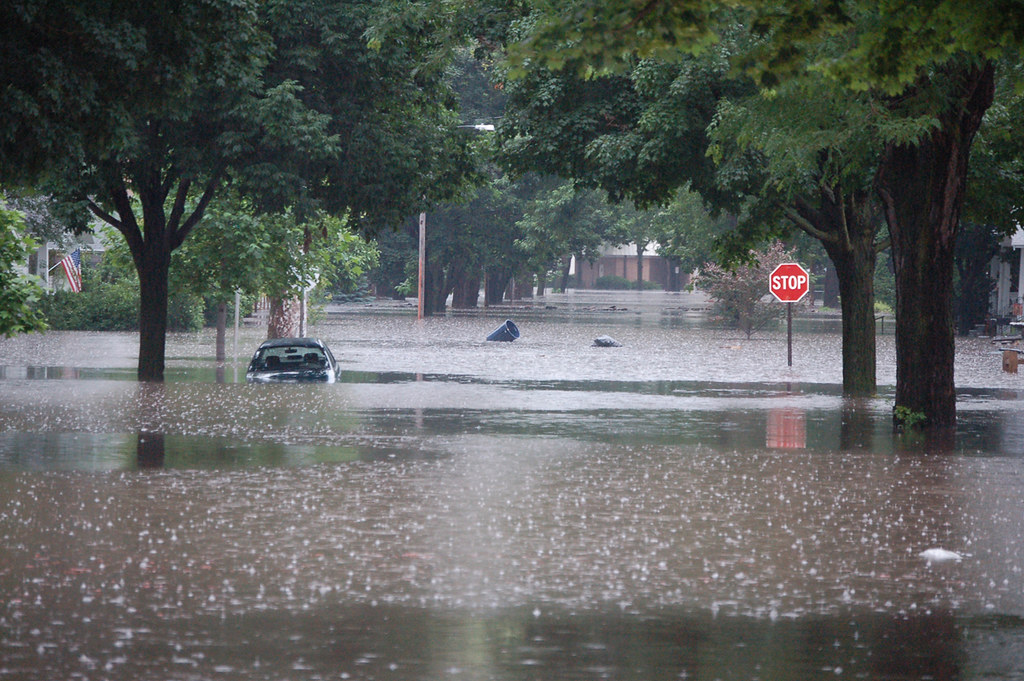
In the early morning hours of September 29, 2026, the National Weather Service Salt Lake City issued a Flash Flood Warning at 1:43 AM MDT, affecting Hurricane, Ivins, Santa Clara, and surrounding Washington County communities. By the time the warning expired at 3:45 AM MDT, homes and businesses across the region had sustained significant flood damage.
The Disaster Repair Team (DRT) responded immediately — deploying crews, coordinating with insurance carriers, and beginning water extraction and structural drying across the affected areas. This page serves as a case study and ongoing resource for anyone who experienced damage during this event, or who wants to be better prepared for future flash flooding in Southern Utah.
If you're still dealing with damage from this storm — or any flood event — we're here to help. Call DRT 24/7: 385-287-6344
About the September 2026 Flash Flood Event
Southern Utah's red rock geography makes communities like Hurricane, Ivins, and Santa Clara particularly vulnerable to flash flooding. Rainwater moves rapidly across hard desert soil and channels through washes and low-lying streets with little warning. The September 29, 2026 event was a stark reminder of how quickly conditions can turn dangerous — and how critical fast, professional response is to minimizing long-term damage to homes and businesses.
What Affected Homeowners and Businesses Did (And What You Should Do After Any Flood)
In the hours and days following the September 2026 flood, the families and business owners who fared best were those who acted quickly and methodically. Here's the step-by-step approach DRT recommended — and that proved most effective during this recovery effort:
- Prioritized family and personal safety first — Before re-entering any flooded structure, residents confirmed floodwaters had fully receded and there were no hazards such as downed power lines or gas leaks.
- Documented all damage thoroughly — Homeowners photographed and video-recorded every affected room, surface, and belonging before any cleanup began. This documentation proved essential for insurance claims.
- Avoided structurally compromised areas — Flooded foundations, sagging ceilings, and warped walls were treated as potential structural hazards until a professional assessment was completed.
- Contacted their insurance company promptly — Early contact with insurance carriers helped expedite claim processing. DRT worked directly with adjusters throughout the recovery.
- Called DRT for professional water extraction and drying — Fast action in the first 24–72 hours dramatically reduced mold risk and structural damage. The longer water sits, the more expensive and extensive the repair.
Dealing with flood damage now or in the future? Call DRT around the clock: 385-287-6344
How DRT Responded: Services Deployed After the September 2026 Flood
DRT crews mobilized across Hurricane, Ivins, Santa Clara, and neighboring communities to deliver the full scope of emergency and restoration services that flood recovery demands:
- Emergency water extraction — Standing water was removed quickly using commercial-grade equipment to stop damage from spreading.
- Structural drying — Industrial air movers and dehumidifiers dried wall cavities, subfloors, and framing to prevent mold growth and structural deterioration.
- Board-up and property securing — Compromised entry points were secured to protect properties from additional exposure or unauthorized entry.
- Mold remediation — In cases where response was delayed or moisture had penetrated deeply, DRT performed full mold assessment and remediation.
- Full rebuild coordination — From drywall replacement to flooring, cabinetry, and paint, DRT managed complete interior rebuilds — one contractor, one point of contact.
- Direct insurance billing — DRT worked directly with homeowners' insurance carriers, reducing the administrative burden on already-stressed families.
Lessons Learned: What the September 2026 Flood Taught Southern Utah Homeowners
Every major weather event carries hard-won knowledge. Here's what DRT and the communities we served took away from the September 2026 flash flood recovery:
1. Flash Flooding Can Happen With Very Little Warning
The warning was issued at 1:43 AM and expired less than two hours later. Many residents were asleep. Southern Utah's desert terrain means water moves fast — preparedness before storm season is far more effective than scrambling during an event.
2. The First 24–72 Hours Are Critical
Homeowners who reached out to DRT within the first day saw significantly less secondary damage — particularly mold. Those who waited days or weeks to address standing water and wet materials faced more extensive remediation and higher costs. Time is genuinely the enemy after a flood.
3. Document Everything Before You Touch It
Several insurance claims were strengthened — and a few disputes resolved — because homeowners had thorough photo and video documentation taken before any cleanup. Make this a reflex: document first, then act.
4. DIY Drying Is Almost Never Enough
Fans and open windows do not dry wall cavities, insulation, or subfloors. Multiple properties that appeared surface-dry developed significant mold within two weeks because moisture had been trapped inside wall assemblies. Professional drying equipment and moisture metering are non-negotiable after a flood of any size.
5. Southern Utah's Geography Makes This a Recurring Risk
Hurricane, Ivins, Santa Clara, and surrounding communities sit in a landscape that channels water quickly and unpredictably. The September 2026 event was not an anomaly — flash flooding is a known, recurring risk in Washington County. Having a plan, knowing who to call, and keeping your insurance current are essential, not optional.
6. Having a Restoration Partner in Advance Saves Time When It Matters Most
Homeowners who already knew about DRT before the storm hit were able to call immediately and get crews dispatched faster. Consider saving our number now — before you need it.
DRT: Southern Utah's Local Flood Recovery Team
DRT is locally based and has served Hurricane, Ivins, Santa Clara, St. George, Washington, La Verkin, and surrounding Washington County communities through multiple storm seasons. We understand the terrain, the weather patterns, and the specific ways that flash flooding affects homes and structures in this region. When the September 2026 event hit, we weren't learning on the job — we'd been through this before, and we were ready.
We provide 24/7 emergency restoration services including water extraction, structural drying, board-up, mold remediation, smoke and soot removal, and full rebuild coordination. We work directly with your insurance company from first call to final walkthrough.
If your home or business was affected by the September 2026 flood — or any flooding event — call DRT now:
385-287-6344 — Available 24 hours a day, 7 days a week
Don't wait. The sooner you call, the more we can protect your home and reduce your recovery costs.
```Affected Areas
Select a city for location-specific emergency information and restoration resources.
What to Expect When You Call
Here's how DRT responds to emergency calls:
Need Help Now?
The Disaster Repair Team provides 24/7 emergency restoration services across Utah.
Request Help Online