Emergency Flood & Water Damage Restoration — Ivins
- Recovery resources and next steps
- Insurance claim guidance
- Lessons learned for future prevention
- Professional restoration support
Mold can start growing within 24–48 hours of water exposure. Fast extraction and drying dramatically reduce secondary damage and health risks.
Live Conditions
Real-time weather radar for Utah
How DRT Helped Ivins Recover from the September 2026 Flash Flood — A Community Recovery Guide
Flash Flood Warning: September 29, 2026, 1:43AM–3:45AM MDT | Issued by NWS Salt Lake City, UT | Affected Areas: Ivins, Hurricane, Santa Clara & surrounding communities
In the early hours of September 29, 2026, a flash flood warning swept through Ivins and neighboring St. George-area communities, catching many residents off guard while they slept. The Disaster Repair Team (DRT) mobilized immediately and worked alongside homeowners, businesses, and insurance carriers to restore normalcy as quickly and safely as possible.
This page serves as a lasting resource for anyone affected by that event — or by any future flooding in the area. If you are dealing with water damage right now, DRT is still available 24/7.
Call anytime: 385-287-6344
What Happened: The September 2026 Flash Flood
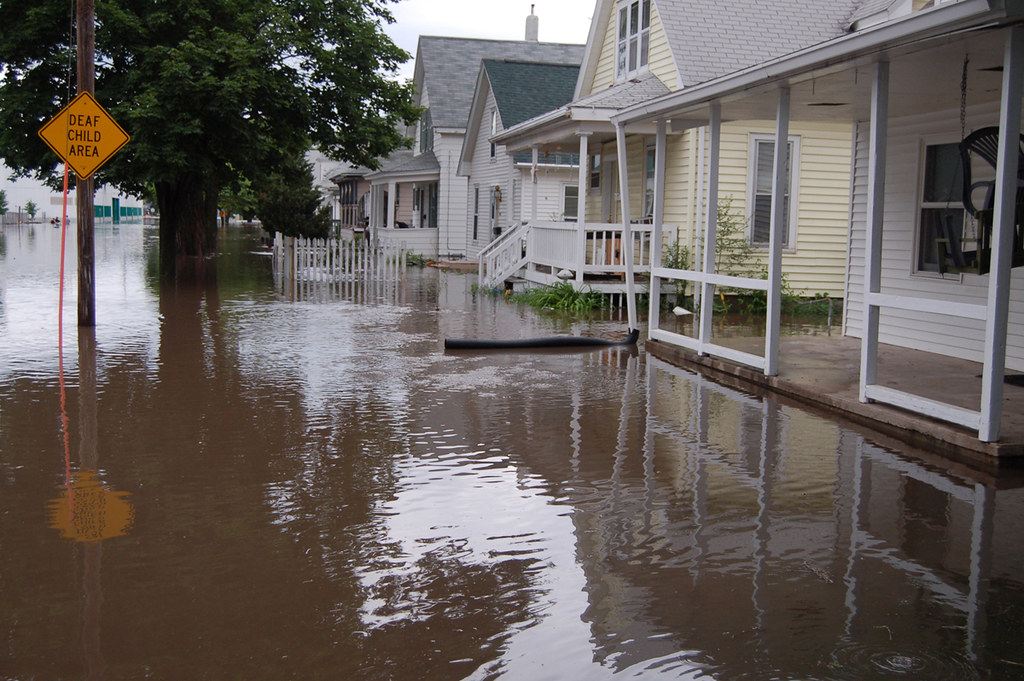
The National Weather Service issued a Flash Flood Warning at 1:43AM MDT on September 29, 2026, lasting until 3:45AM. Rapid water accumulation in low-lying areas and near wash corridors caused significant damage to homes and properties across Ivins, Santa Clara, Hurricane, and surrounding Washington County communities. Storm drains were overwhelmed, and several structures experienced water intrusion within minutes of the event beginning.
DRT crews were on the ground responding to calls before the warning had even expired.
What Residents Were Advised to Do — And Why It Still Matters
In the immediate aftermath of a flash flood, the actions taken in the first 24–48 hours can make the difference between a full recovery and long-term structural or health problems. Here is the guidance DRT provided to affected residents during the September 2026 event:
- Prioritize your family's safety above all else — do not re-enter a structure until water levels have receded and the building has been confirmed structurally sound
- Document all damage thoroughly with photos and video before moving or discarding anything — this documentation was critical for insurance claims during this event
- Avoid structurally compromised areas — flood damage can weaken floors, walls, and foundations in ways that are not immediately visible
- Contact your insurance company as soon as possible to open a claim and understand your coverage
- Call a certified restoration professional immediately — standing water and saturated materials begin growing mold within 24–48 hours
These steps apply to any flooding event. If your home or business has been affected by water damage — whether from a flash flood, pipe burst, or storm — the same principles apply today.
Reach DRT now: 385-287-6344
How DRT Responded — Services Provided During the September 2026 Recovery
DRT deployed crews throughout the affected communities and provided a full range of emergency and restoration services, including:
- Emergency water extraction — removing standing water from homes and businesses within hours of the event
- Structural drying — industrial air movers and dehumidifiers placed throughout affected structures to prevent secondary damage
- Board-up and tarping — securing properties where doors, windows, or roofing were compromised
- Mold remediation — addressing fungal growth that developed in properties where water intrusion went undetected or was not dried quickly
- Smoke and soot removal — for any fire-related secondary damage
- Full rebuild coordination — managing reconstruction from initial demolition through finished repairs, working directly with insurance adjusters throughout
DRT worked directly with homeowners' insurance carriers, simplifying the claims process and reducing out-of-pocket stress for families during an already difficult time.
Lessons Learned: What the September 2026 Event Taught Our Community
Having worked through dozens of flood and storm recovery projects across Washington County, the DRT team identified several recurring themes from the September 2026 response that every homeowner in the area should know:
1. Flash Floods Move Faster Than Expected
Many residents assumed a warning issued at 1:43AM would give them time to prepare. In several cases, water entered homes within 20–30 minutes of the warning being issued. Flood preparation — including knowing your property's risk zones and having an emergency contact like DRT saved in your phone — should happen before a warning is ever issued.
2. "It Dried Out on Its Own" Is Rarely True
A number of homeowners waited several days before calling for help, assuming visible water receding meant the problem was resolved. In nearly every such case, moisture meters revealed elevated readings in walls, subfloors, and crawl spaces — leading to mold growth that was far more expensive to remediate than initial drying would have been.
3. Insurance Documentation Requires Speed and Specificity
Homeowners who photographed and video-recorded damage immediately — before any cleanup — had significantly smoother claims experiences. Those who discarded damaged materials before documentation sometimes faced disputes with adjusters.
4. Older Homes in Ivins and Santa Clara Had Higher Vulnerability
Properties with older drainage infrastructure or located near natural wash areas experienced more significant intrusion. If your home falls into this category, DRT recommends a pre-season assessment to identify vulnerabilities before the next weather event.
5. Having a Restoration Team Already Picked Out Saves Hours
Homeowners who had researched local restoration companies in advance — or who had DRT's number on hand — were able to get crews on-site hours faster than those who spent time searching during the emergency. We encourage every Washington County resident to save our number now, even if you never need it.
Save this number: 385-287-6344
DRT: Your Local Flood Recovery Experts in Washington County
The Disaster Repair Team has responded to flooding events, storms, and disasters across Ivins, Hurricane, Santa Clara, St. George, and the broader Washington County area. We are not a national call center — we are a local team that knows these communities, understands the local terrain and weather patterns, and has earned the trust of our neighbors through years of on-the-ground recovery work.
We provide 24/7 emergency restoration services and work directly with your insurance company from first call through final walkthrough. When the next storm hits, we will be ready — because we have been through this before.
- ✔ 24/7 emergency response
- ✔ Water extraction & structural drying
- ✔ Mold remediation
- ✔ Board-up & tarping
- ✔ Full rebuild coordination
- ✔ Direct insurance billing
- ✔ Locally owned and operated — Washington County
Whether you were affected by the September 2026 flood or are dealing with a new emergency today — call DRT.
Call 385-287-6344 — Available 24/7
```Most homeowner policies cover sudden water damage (burst pipes, appliance failures). Natural flooding typically requires separate flood insurance. Either way, DRT documents everything from day one — moisture readings, photos, scope of work — so your claim is supported whether it goes through your standard policy or a flood policy.
Frequently Asked Questions
How quickly does mold grow after flooding?
Will my homeowner's insurance cover flood damage restoration?
What should I NOT do after my home floods?
How quickly can DRT respond?
Do I need to file my insurance claim before calling DRT?
DRT serves Ivins and surrounding areas. View our full Ivins service area page for more about our restoration services in your area, or browse all service areas.
Need Help Now?
The Disaster Repair Team provides 24/7 emergency restoration services across Utah.
Request Help Online