Emergency Flood & Water Damage Restoration — Santa Clara
- Recovery resources and next steps
- Insurance claim guidance
- Lessons learned for future prevention
- Professional restoration support
Mold can start growing within 24–48 hours of water exposure. Fast extraction and drying dramatically reduce secondary damage and health risks.
Live Conditions
Real-time weather radar for Utah
How DRT Helped Santa Clara Recover from the September 2026 Flash Flood Warning
A Recovery Case Study: Hurricane, Ivins, Santa Clara & Surrounding Communities
In the early morning hours of September 29, 2026, the National Weather Service Salt Lake City issued a Flash Flood Warning for Santa Clara and surrounding Washington County communities — including Hurricane and Ivins — effective from 1:43 AM MDT until 3:45 AM MDT. Homes and businesses were caught off guard. Water moved fast, and the damage was immediate.
The Disaster Repair Team (DRT) responded. This page documents what happened, what homeowners and business owners needed to know, and what the community learned — so that if flooding ever strikes again, you're ready.
If you're dealing with flood damage right now, don't wait. Call DRT 24/7:
385-287-6344
What Happened: The September 2026 Flash Flood Event
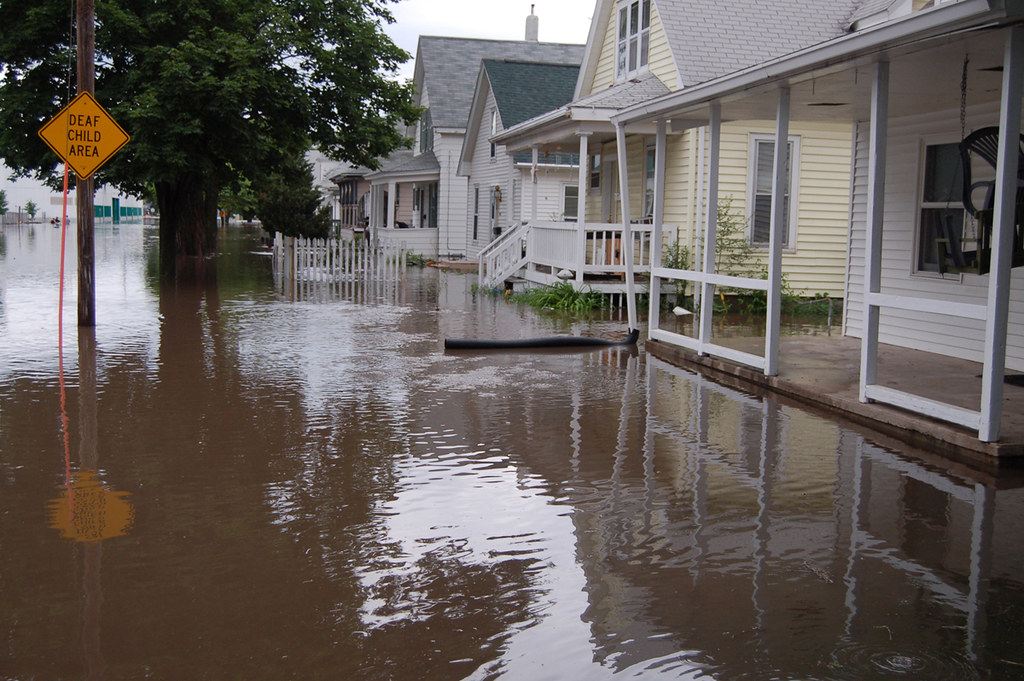
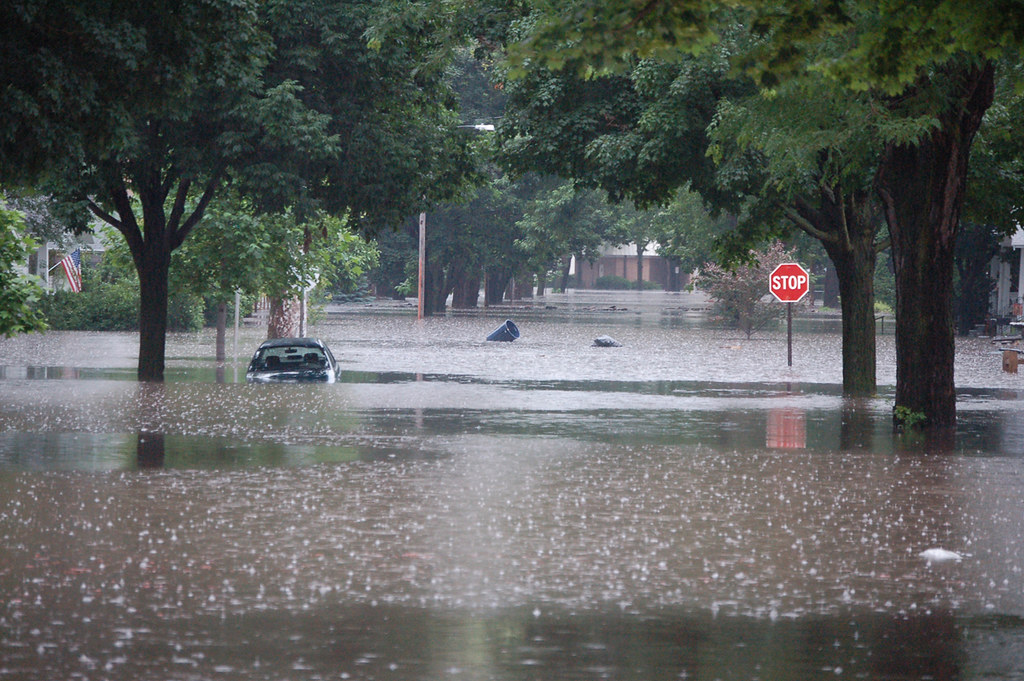
The warning came in the middle of the night, leaving residents little time to prepare. Flash flooding in the Santa Clara and Hurricane areas caused water intrusion in dozens of homes and commercial properties. Flood waters entered through doors, windows, garages, and crawl spaces. By the time the warning expired at 3:45 AM, the damage had already been done — and the clock had started ticking on mold growth, structural saturation, and secondary water damage.
DRT crews were deployed across the affected areas throughout the event and in the days that followed, performing emergency water extraction, structural drying, and damage assessment for homeowners and business owners throughout Washington County.
What to Do After a Flash Flood: The Checklist That Helped Santa Clara Homeowners
In the aftermath of the September 2026 event, the homeowners who fared best were the ones who acted quickly and methodically. Here's the checklist DRT shared with affected residents:
- Prioritize your family's safety first. Do not re-enter your home until authorities confirmed it was safe to do so.
- Document all damage with photos and video before touching or moving anything. This documentation proved critical for insurance claims.
- Avoid structurally compromised areas. Flood-weakened floors, walls, and ceilings can fail without warning.
- Contact your insurance company as soon as possible to open a claim and understand your coverage.
- Call DRT for professional restoration. The faster water was extracted, the less secondary damage occurred — including mold, which can begin developing within 24–48 hours.
Ready to talk to a restoration expert?
Call DRT now: 385-287-6344
How DRT Helped the Community Recover
DRT provided full-spectrum emergency restoration services to affected homes and businesses across Santa Clara, Hurricane, Ivins, and surrounding communities. Services included:
- Emergency water extraction — Rapid removal of standing water to minimize saturation and structural damage
- Structural drying — Industrial drying equipment deployed to walls, subfloors, and framing
- Board-up and property securing — Protecting compromised structures from further exposure
- Mold remediation — Addressing mold growth that developed in the days following the flood
- Smoke and soot removal — For any properties affected by related hazards
- Full rebuild coordination — From initial damage assessment through complete restoration
- Direct insurance coordination — DRT worked directly with homeowners' insurance companies to streamline the claims process
DRT's 24/7 availability meant that crews were on-site within hours of the event — not days — giving affected properties the best possible chance at a full recovery.
Lessons Learned: What the September 2026 Flood Taught Our Community
Every disaster leaves behind hard-won knowledge. Here's what DRT and the residents of Santa Clara, Hurricane, and Ivins took away from the September 2026 event:
1. Flash floods don't wait for business hours.
The warning was issued at 1:43 AM. The homeowners who recovered fastest were those with a plan already in place — and a restoration company's number already saved in their phone. Waiting until morning to call cost some residents an additional day of water saturation and dramatically increased damage.
2. Mold is the hidden second disaster.
Several homeowners who delayed professional drying — even by 48 hours — faced significant mold remediation costs on top of their flood damage. Speed of response is directly correlated with total recovery cost.
3. Document before you clean up.
Insurance claims were smoother for residents who photographed and video-recorded all damage before moving anything. A complete visual record of the initial damage, before any restoration work began, proved essential in disputed or complex claims.
4. Know your flood risk before the warning is issued.
Many residents were unaware that their properties were in or near a flash flood zone. After the event, DRT recommends that all Washington County homeowners review their FEMA flood zone status and consider flood insurance if they don't already carry it.
5. A local team matters.
National restoration chains may have brand recognition, but they don't know Santa Clara's terrain, soil conditions, or the specific construction patterns of homes in Washington County. DRT is local — and that local knowledge made a measurable difference in response time and restoration quality.
6. Your insurance company is not your restoration company.
Many homeowners didn't realize they could choose their own restoration contractor — they don't have to accept whoever their insurance company refers. DRT worked directly with all major carriers while representing the homeowner's interests throughout the process.
DRT: The Local Team That's Been Through This Before
The September 2026 flash flood wasn't the first time DRT responded to a major weather event in Washington County — and it won't be the last. Southern Utah's geography makes flash flooding a recurring reality for communities like Santa Clara, Hurricane, Ivins, and beyond. DRT has built its entire operation around being ready when these moments happen: 24/7 availability, local crews, industrial-grade equipment, and deep experience working with homeowners through the insurance process.
When the next warning is issued, you don't want to be searching for help. Save our number now.
Disaster Repair Team — Serving Santa Clara, Hurricane, Ivins & All of Washington County
Available 24/7 for Emergency Response
Call DRT: 385-287-6344
Still Dealing With Flood Damage? We Can Help.
Whether you're in the early stages of cleanup or still dealing with issues that surfaced weeks after the flood — mold, structural concerns, lingering moisture — DRT's team is ready to assess your property and get your restoration back on track.
Call 385-287-6344 for a free assessment. We work directly with your insurance company and serve all communities across Washington County, Utah.
```Most homeowner policies cover sudden water damage (burst pipes, appliance failures). Natural flooding typically requires separate flood insurance. Either way, DRT documents everything from day one — moisture readings, photos, scope of work — so your claim is supported whether it goes through your standard policy or a flood policy.
Frequently Asked Questions
How quickly does mold grow after flooding?
Will my homeowner's insurance cover flood damage restoration?
What should I NOT do after my home floods?
How quickly can DRT respond?
Do I need to file my insurance claim before calling DRT?
DRT serves Santa Clara and surrounding areas. View our full Santa Clara service area page for more about our restoration services in your area, or browse all service areas.
Need Help Now?
The Disaster Repair Team provides 24/7 emergency restoration services across Utah.
Request Help Online