Emergency Flood & Water Damage Restoration — St. George
- Recovery resources and next steps
- Insurance claim guidance
- Lessons learned for future prevention
- Professional restoration support
Mold can start growing within 24–48 hours of water exposure. Fast extraction and drying dramatically reduce secondary damage and health risks.
Live Conditions
Real-time weather radar for Utah
How DRT Helped St. George Recover from the September 2026 Flash Flood — A Community Recovery Guide
Serving Hurricane, Ivins, Santa Clara, Washington, and the greater St. George area
About This Event
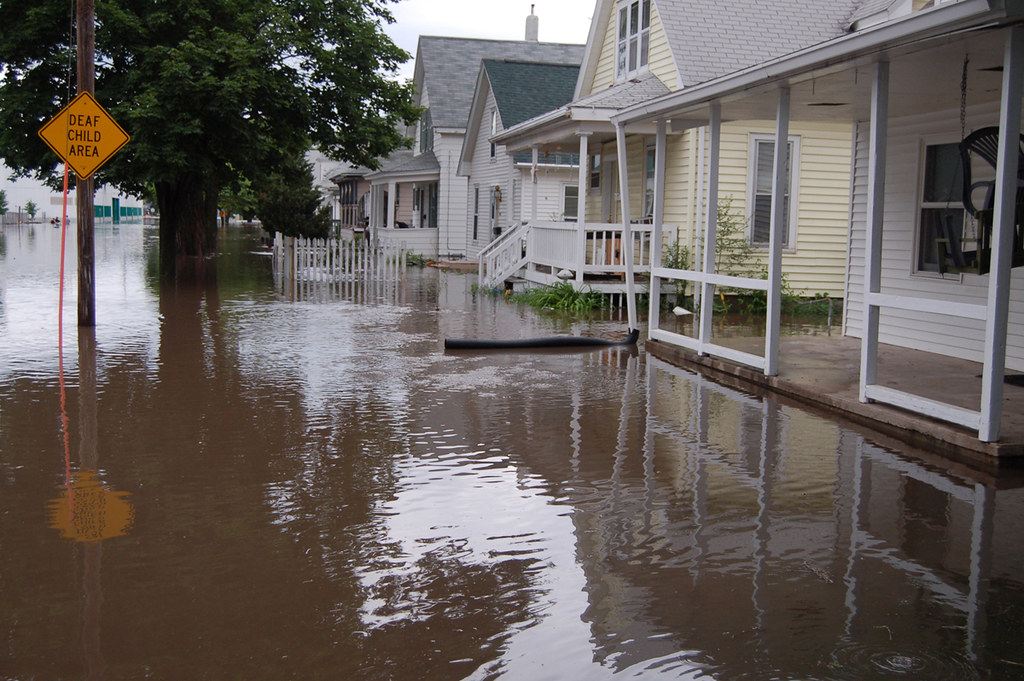
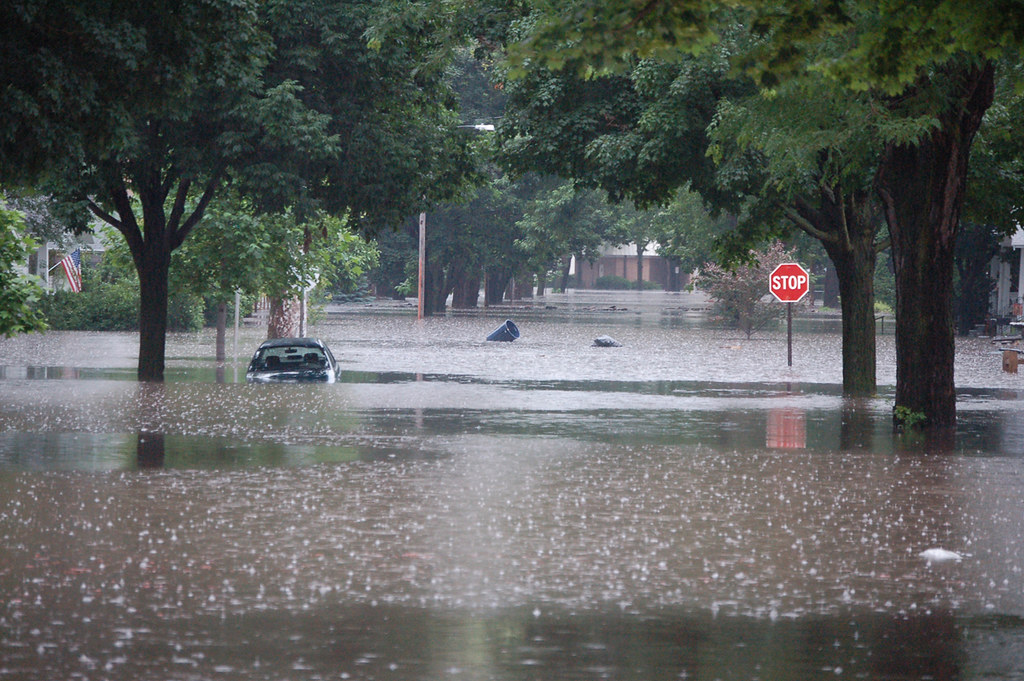
On September 29, 2026, the National Weather Service Salt Lake City issued a Flash Flood Warning for the St. George area at 1:43 AM MDT, lasting until 3:45 AM MDT. Homes and businesses across St. George, Hurricane, Ivins, Santa Clara, and Washington were impacted by rapidly rising water, debris flow, and structural flooding — many while residents were asleep.
The Disaster Repair Team (DRT) responded immediately, mobilizing crews throughout the night and into the following days to help affected homeowners and business owners begin the recovery process. This page serves as a permanent resource for anyone affected by that event — or any flash flood in Washington County — who is navigating the recovery process.
If you're still dealing with damage from this event or a subsequent flood, we're here. Call us: 385-287-6344
What Homeowners and Businesses Did Immediately After the Flood
In the hours and days following the September 2026 flash flood, the most successful recoveries followed a clear sequence of steps. Here's what worked:
- Prioritized family and personal safety first — No property is worth entering before floodwaters fully recede and the structure is confirmed safe.
- Documented all damage thoroughly — Residents who photographed and video-recorded every affected room, wall, floor, and belonging before cleanup began had significantly smoother insurance claims.
- Avoided structurally compromised areas — Flash floods can undermine foundations, weaken walls, and create hidden hazards. Waiting for a professional assessment prevented injuries.
- Contacted their insurance company promptly — Early notification opened claims faster and reduced delays in reimbursement.
- Called DRT for emergency water extraction and drying — Speed matters enormously with water damage. Every hour standing water remains increases the risk of mold growth and structural deterioration. Call DRT: 385-287-6344
How DRT Responded — and What We Did
When the flash flood warning was issued in the early hours of September 29, DRT activated its emergency response protocols immediately. Our local crews — based right here in Washington County — were on the ground faster than out-of-area contractors could even mobilize.
The services DRT provided during and after the September 2026 flood recovery included:
- 24/7 Emergency Water Extraction — Rapid removal of standing water from affected homes and commercial properties across St. George, Hurricane, Ivins, Santa Clara, and Washington.
- Structural Drying — Industrial-grade drying equipment deployed to prevent secondary damage to walls, subfloors, and framing.
- Board-Up and Securing — Properties with compromised doors, windows, or structural openings were secured to prevent unauthorized entry and further weather damage.
- Mold Remediation — For properties where response was delayed or moisture was trapped, DRT provided full mold assessment and remediation.
- Smoke and Soot Removal — In cases where flood damage coincided with electrical or secondary fire incidents.
- Full Rebuild Coordination — From drywall and flooring to complete structural repairs, DRT coordinated the entire restoration process under one roof.
- Direct Insurance Coordination — DRT worked directly with insurance adjusters, providing documentation and scope-of-work reports to help clients receive fair settlements.
We are a local team. We know Washington County's soil, drainage patterns, and building stock — and we've seen what flash floods do here firsthand.
Talk to a DRT recovery specialist: 385-287-6344
Lessons Learned: What the September 2026 Flash Flood Taught St. George Residents
Every disaster teaches the community something. Here are the most important lessons that emerged from the September 2026 event — shared so that future residents and property owners are better prepared.
1. Flash Floods in Southern Utah Can Strike With Almost No Warning
The warning was issued at 1:43 AM. Most residents were asleep. Properties in low-lying areas of Hurricane, Ivins, and Santa Clara experienced flooding within minutes of the warning. Waiting to see if it gets bad is not a strategy.
2. Delayed Response Dramatically Increases Damage
Properties where water extraction began within the first 24 hours saw significantly less mold growth and structural damage than those where owners waited several days. The difference in restoration costs was substantial. Act fast — then call your insurance company, not the other way around.
3. Documentation Before Cleanup Is Non-Negotiable
Homeowners who began removing damaged materials before photographing everything thoroughly faced challenges with insurance adjusters. Document everything before a single item is moved or discarded. Save receipts for any emergency purchases made during the event.
4. Out-of-Area Contractors Created Complications
Following the flood, several St. George-area residents reported issues with contractors from outside Washington County who didn't understand local building codes, insurance norms, or soil conditions. Using a local, established team like DRT — who already had relationships with local adjusters and permitting offices — streamlined the process significantly.
5. Flood Preparedness Pays Off Year-Round
Washington County's monsoon season (typically July through September) and Southern Utah's flash flood geography make flooding a recurring risk — not a once-in-a-generation event. Residents who had already documented their belongings, kept insurance policies current, and had DRT's number saved recovered faster and with less stress.
6. Mold Can Begin Growing Within 24–48 Hours
Southern Utah's heat accelerates mold growth dramatically. Several properties that appeared only mildly affected on the surface showed significant mold colonization within the walls within two weeks of the flood. Professional moisture assessment — not just visual inspection — is essential.
Is Your Property Still Showing Signs of September 2026 Flood Damage?
If you're noticing musty odors, warped flooring, peeling paint, or wall discoloration that developed after the September 2026 flash flood, you may have unresolved moisture damage or mold. It's not too late to address it — but it will get worse without treatment.
DRT offers free assessments for flood-affected properties. Our team can identify hidden moisture, assess structural integrity, and outline exactly what remediation is needed — with full documentation for insurance purposes.
Schedule your free assessment: 385-287-6344
DRT Serves the Entire Greater St. George Area
During the September 2026 flood response, DRT served property owners across Washington County including:
- St. George
- Hurricane
- Ivins
- Santa Clara
- Washington
- La Verkin
- Toquerville
- Leeds
We are based here. We live here. We respond here — any time, any season.
Ready to Talk to a Local Expert?
Whether you're dealing with lingering effects of the September 2026 flash flood or preparing for future storms, DRT is the team Washington County trusts. We provide 24/7 emergency response, full restoration services, and direct insurance coordination — all from a team that knows this community.
Available 24 hours a day, 7 days a week, 365 days a year.
```Most homeowner policies cover sudden water damage (burst pipes, appliance failures). Natural flooding typically requires separate flood insurance. Either way, DRT documents everything from day one — moisture readings, photos, scope of work — so your claim is supported whether it goes through your standard policy or a flood policy.
Frequently Asked Questions
How quickly does mold grow after flooding?
Will my homeowner's insurance cover flood damage restoration?
What should I NOT do after my home floods?
How quickly can DRT respond?
Do I need to file my insurance claim before calling DRT?
DRT serves St. George and surrounding areas. View our full St. George service area page for more about our restoration services in your area, or browse all service areas.
Need Help Now?
The Disaster Repair Team provides 24/7 emergency restoration services across Utah.
Request Help Online