Emergency Flood & Water Damage Restoration — Hurricane
- Recovery resources and next steps
- Insurance claim guidance
- Lessons learned for future prevention
- Professional restoration support
Mold can start growing within 24–48 hours of water exposure. Fast extraction and drying dramatically reduce secondary damage and health risks.
Live Conditions
Real-time weather radar for Utah
How DRT Helped Hurricane, Ivins, Santa Clara & Surrounding Areas Recover from the September 2026 Flash Flood Warning
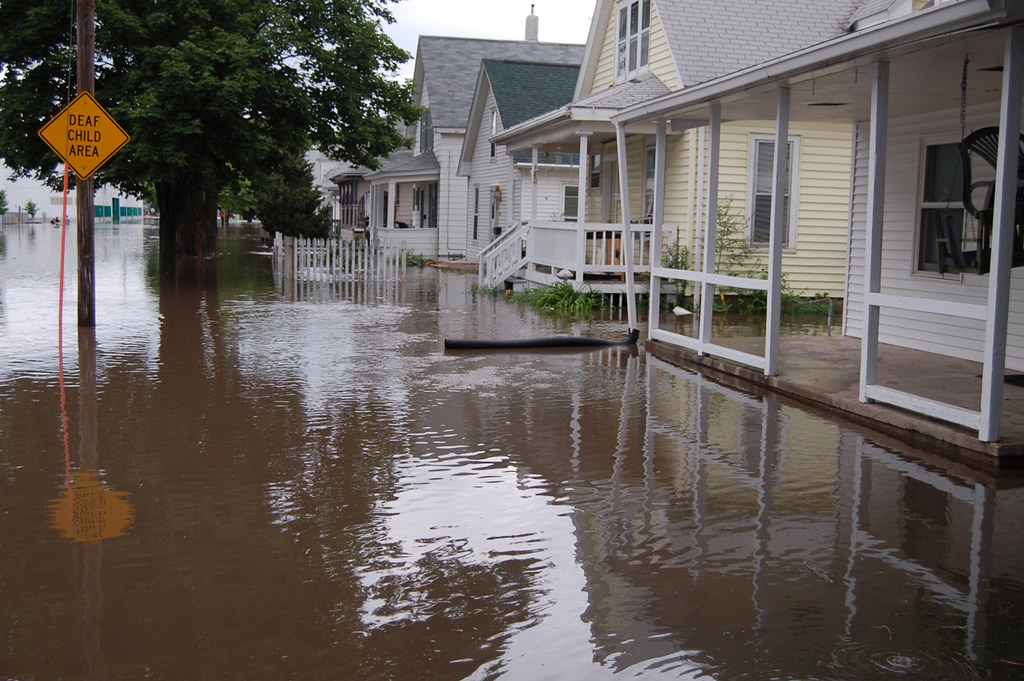
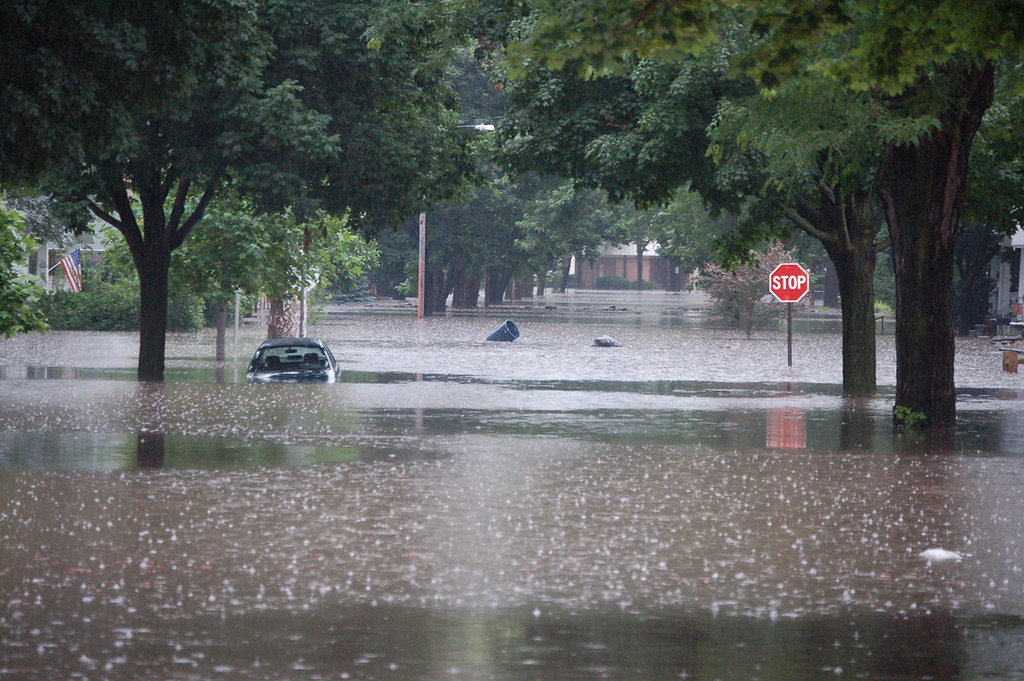
On August 31, 2026, the National Weather Service Salt Lake City issued a Flash Flood Warning at 5:44PM MDT for the Hurricane, Ivins, and Santa Clara areas — active until 9:00PM MDT that evening. Homes and businesses across Washington County faced rapid water intrusion, structural damage, and the kind of chaos that only a fast-moving desert flash flood can bring.
The Disaster Repair Team (DRT) mobilized immediately and worked alongside affected property owners throughout the event and in the weeks that followed. This page serves as a recovery resource and case study for anyone dealing with flood damage in Southern Utah — whether from this event or one like it in the future.
If you're dealing with flood damage right now, we're still here. Call us 24/7: 385-287-6344
What Homeowners Did (and What You Should Do) After a Flash Flood
In the hours and days following the August 2026 flash flood warning, the property owners who fared best were those who acted quickly and methodically. Here's the step-by-step approach DRT guided clients through — and what we recommend for any flood event:
- Prioritized family safety first. Before assessing any property damage, residents confirmed that all household members were safe and accounted for. No structure is worth entering if it may be compromised.
- Documented all damage with photos and video. Before any cleanup began, homeowners walked through affected areas and captured detailed visual documentation. This proved critical for insurance claims.
- Avoided structurally compromised areas. Floodwater can weaken floors, walls, and foundations rapidly. Property owners waited for a professional assessment before re-entering areas showing signs of structural damage.
- Contacted their insurance company promptly. Early notification of a claim helped expedite the process. DRT worked directly with adjusters on behalf of clients to streamline documentation and approvals.
- Called DRT for emergency restoration. Fast water extraction in the first 24–48 hours was the single most important factor in preventing secondary damage like mold growth and structural deterioration. 385-287-6344
How DRT Responded
DRT's crews were on the ground in Hurricane, Ivins, Santa Clara, and surrounding Washington County communities throughout the event and recovery period. Services provided included:
- Emergency water extraction and removal
- Structural drying with industrial-grade dehumidification and air movement equipment
- Board-up and property securing services
- Smoke and soot removal where secondary fire or utility damage occurred
- Mold remediation and prevention treatment
- Full rebuild coordination from initial assessment through final restoration
- Direct insurance company billing and adjuster coordination
Because DRT is locally based in Southern Utah, crews were able to reach affected properties faster than national franchises dispatched from out of the area. That speed made a measurable difference in outcomes for clients.
Ready to talk through your damage? Call or text us anytime: 385-287-6344
Lessons Learned: What the September 2026 Flash Flood Taught Southern Utah Homeowners
Every major weather event leaves behind hard-won knowledge. Here's what DRT and the homeowners we worked with took away from this event:
1. Desert flash floods move faster than most people expect.
Southern Utah's hard, dry soil doesn't absorb water quickly. Runoff from summer monsoon storms can surge through washes and low-lying areas in minutes. Properties that had never flooded before sustained significant damage. Location near a wash — even a dry one — warrants preparation.
2. The 48-hour window is real.
Mold can begin growing within 24–48 hours of a water intrusion event in warm conditions. Homeowners who delayed calling for professional drying services faced significantly higher remediation costs than those who called immediately. Fast action isn't an upsell — it's damage control.
3. Documentation before cleanup protects your claim.
Several homeowners who began cleaning up on their own before documenting the full extent of damage faced challenges with their insurance adjusters. Photo and video documentation — including water line heights, damaged contents, and affected structural areas — should always come first.
4. Insurance coordination requires an advocate.
Navigating an insurance claim while managing a damaged home is stressful. Homeowners who worked with DRT from the start benefited from having an experienced team communicate directly with adjusters, scope the damage properly, and ensure nothing was overlooked in the claim.
5. Mitigation investments pay off.
After the event, many homeowners invested in simple flood mitigation measures: improved drainage grading around foundations, flood barriers for garage doors, and regular inspection of window well drainage. Small investments before a storm can significantly reduce damage when the next event arrives.
6. Local experience matters.
Southern Utah's geology, soil conditions, and building styles are different from the rest of the country. DRT's crews understood how water behaves in this environment and were able to assess and dry structures more accurately as a result. Not all restoration companies are equally equipped to work in desert flash flood conditions.
Serving Hurricane, Ivins, Santa Clara & All of Washington County
DRT has responded to flash floods, water damage, fire damage, and storm events throughout Southern Utah. We know these communities because we're part of them. Whether you're dealing with damage from a past event or want to know what to do when the next warning is issued, we're the team locals have called and trusted.
If you experienced damage during the August 2026 flash flood event — or any flooding since — it's not too late to have a professional assessment. Hidden moisture and delayed mold growth are common in the weeks after a flood event.
Call or text DRT 24/7: 385-287-6344
We work directly with your insurance company and are available around the clock for emergency response and recovery consultations.
```Most homeowner policies cover sudden water damage (burst pipes, appliance failures). Natural flooding typically requires separate flood insurance. Either way, DRT documents everything from day one — moisture readings, photos, scope of work — so your claim is supported whether it goes through your standard policy or a flood policy.
Frequently Asked Questions
How quickly does mold grow after flooding?
Will my homeowner's insurance cover flood damage restoration?
What should I NOT do after my home floods?
How quickly can DRT respond?
Do I need to file my insurance claim before calling DRT?
DRT serves Hurricane and surrounding areas. View our full Hurricane service area page for more about our restoration services in your area, or browse all service areas.
Need Help Now?
The Disaster Repair Team provides 24/7 emergency restoration services across Utah.
Request Help Online