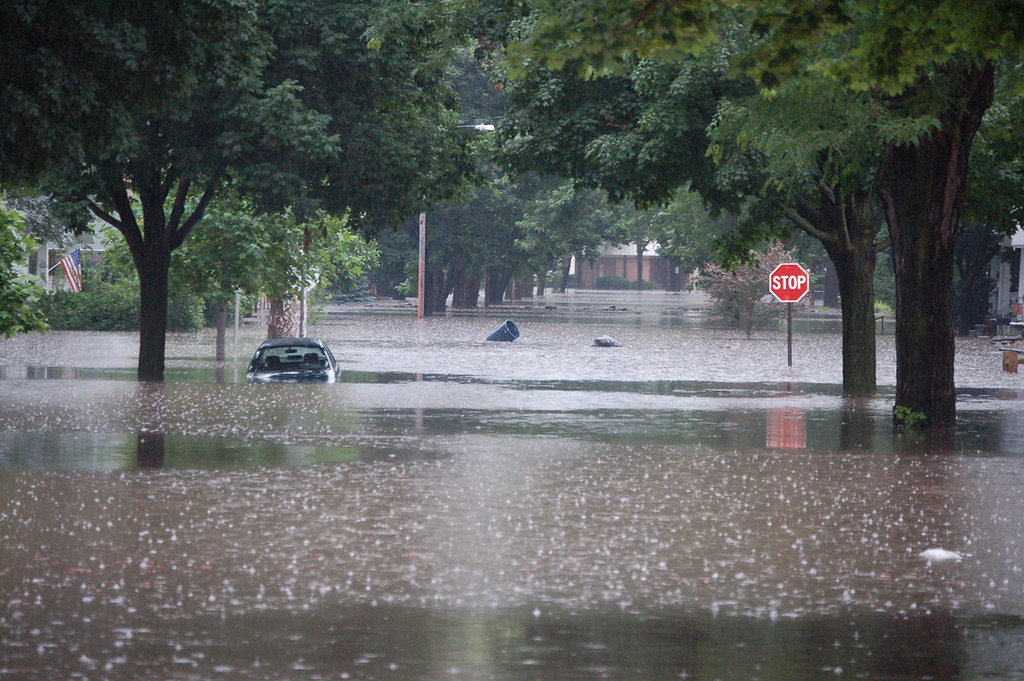
September 2026 Flash Flood Warning — Hurricane, Ivins, Santa Clara & more — Emergency Restoration
- Recovery resources and next steps
- Insurance claim guidance
- Lessons learned for future prevention
- Professional restoration support
Mold can start growing within 24–48 hours of water exposure. Fast extraction and drying dramatically reduce secondary damage and health risks.
Live Conditions
Real-time weather radar for Utah
- Do NOT stand in water near electrical outlets or appliances
- Shut off main water supply if the source is a pipe or appliance
- Turn off electricity to affected areas at the breaker — only if safe to reach
- Do NOT use household vacuums on standing water
- Move to higher ground if water is rising rapidly
How DRT Helped Utah Recover from the September 2026 Flash Flood Warning — Hurricane, Ivins, Santa Clara & Surrounding Communities
On August 31, 2026, the National Weather Service Salt Lake City issued a Flash Flood Warning at 5:44 PM MDT, affecting communities across southwestern Utah — including Hurricane, Ivins, Santa Clara, and neighboring areas — through 9:00 PM MDT that evening. What followed was a difficult and fast-moving recovery effort that impacted dozens of homes and businesses across the region.
The Disaster Repair Team (DRT) was on the ground responding within hours. This page documents what happened, how affected residents and business owners navigated the aftermath, and what our team learned from this event — so that if it happens again, our community is better prepared.
If you're dealing with flood damage right now, we're still here. Call us 24/7: 385-287-6344
What Homeowners and Businesses Faced After the Flash Flood
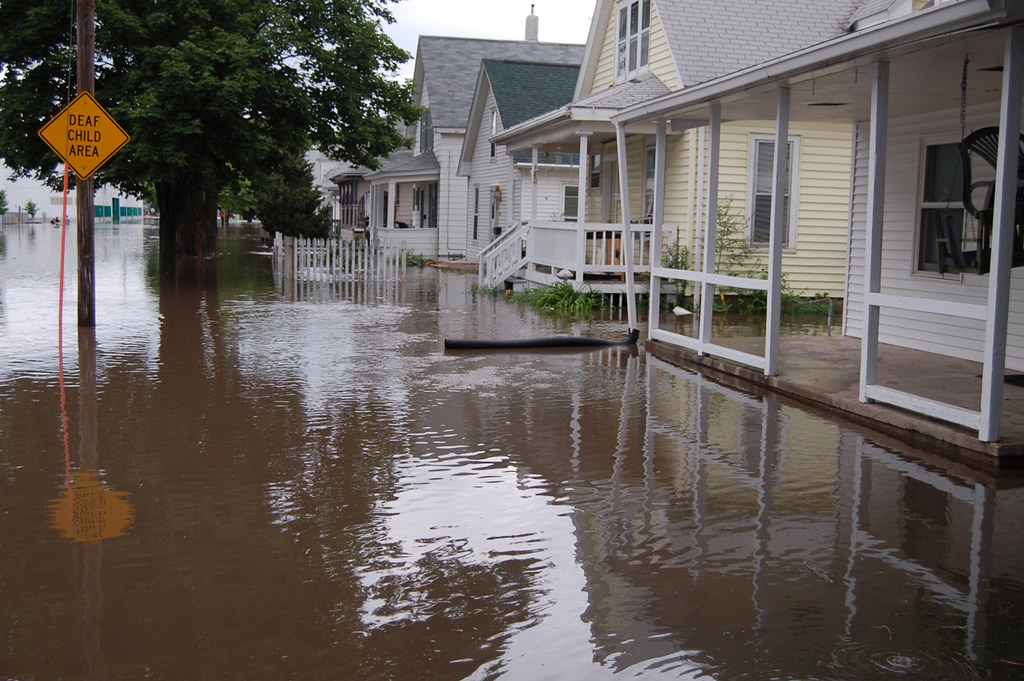
Flash flooding in southern Utah moves fast and hits hard. In the hours and days following the August 31st event, property owners across Hurricane, Ivins, and Santa Clara faced a range of urgent challenges — many of which were unfamiliar and overwhelming without prior experience.
The steps that made the biggest difference in limiting long-term damage were:
- Prioritizing family safety first — Those who waited for official all-clear signals before re-entering properties avoided injuries from structurally compromised walls, floors, and entryways.
- Documenting all damage immediately with photos and video — Thorough documentation taken before any cleanup began proved essential for insurance claims and contractor assessments.
- Avoiding structurally compromised areas — Floodwater-saturated foundations and walls can fail without warning. Waiting for a professional walk-through was the right call.
- Contacting insurance providers early — The sooner claims were filed, the sooner adjusters were scheduled — which directly affected how quickly restoration work could begin.
- Calling DRT for emergency restoration services — Early extraction and drying dramatically reduced mold risk and structural damage in the days that followed.
Dealing with the aftermath of a past flood event — or want to be prepared for the next one? Call DRT: 385-287-6344
How DRT Responded
When the warning was issued, DRT mobilized immediately. Our crews were positioned to respond across the affected region within hours of floodwaters receding. Services we provided during and after the September 2026 event included:
- Emergency water extraction — Removing standing water before it could saturate subfloors, walls, and insulation
- Structural drying — Industrial-grade drying equipment deployed throughout affected structures to prevent secondary moisture damage
- Board-up and tarping — Securing properties where doors, windows, or roofing had been compromised
- Mold remediation — Addressing microbial growth that began appearing within 48–72 hours in some harder-hit structures
- Smoke and soot removal — In cases where flooding coincided with other damage
- Full rebuild coordination — Managing the full scope of repairs from initial assessment through final restoration
- Direct insurance coordination — Working alongside adjusters and carriers to streamline the claims process for property owners
DRT worked directly with homeowners' and business owners' insurance companies throughout the process, helping to reduce the administrative burden during an already stressful time.
Lessons Learned from the September 2026 Flash Flood
Every disaster response teaches us something. Here's what the August 31st event reinforced for our team — and for the communities we served:
1. Speed of water extraction is everything
Properties where water was extracted within the first 24 hours saw dramatically better outcomes than those where standing water remained for 48 hours or more. In southern Utah's climate, moisture-laden structures can begin showing mold growth in as little as 48–72 hours. Early action isn't just about drying out — it's about protecting long-term structural integrity and indoor air quality.
2. Flash floods don't follow expected paths
Several properties that had never flooded before experienced significant intrusion during this event. Residents who assumed they were outside the risk zone were caught off guard. This event was a reminder that flash flood risk in Utah's canyon and red rock terrain is highly dynamic — even a storm miles away can funnel dangerous water toward low-lying neighborhoods.
3. Documentation is your most important first step
Property owners who photographed and video-documented damage before touching anything had smoother, faster insurance claims. Those who began cleanup first — understandably eager to save belongings — sometimes had claims delayed or disputed. The right order: document first, then act.
4. DIY drying is rarely enough
Many homeowners attempted to dry out their properties using household fans and dehumidifiers before calling professionals. In most cases, this delayed — but didn't prevent — the need for professional remediation. Household equipment simply isn't powerful enough to adequately dry structural cavities, subfloors, and insulation. In some cases, the delay allowed mold to establish in areas that would otherwise have been spared.
5. Your insurance company needs to hear from you early
Adjusters are stretched thin in the aftermath of a regional event. Property owners who filed claims the same day or the morning after received faster adjuster visits than those who waited several days. If you've experienced flood damage — even minor — contact your insurer immediately.
6. Having a trusted restoration contractor ready matters
In the days following August 31st, demand for qualified restoration crews in the Hurricane/Ivins/Santa Clara area surged. Property owners who had a relationship with DRT — or called us early — were prioritized. Those who waited while researching options sometimes experienced multi-day delays in service, which compounded damage.
DRT: Southern Utah's Experienced Local Restoration Team
The September 2026 flash flood wasn't the first time DRT responded to a major weather event in southwestern Utah — and it won't be the last. Our team knows this terrain, these communities, and the specific challenges that flash flooding in Washington County presents. We've been through this before, and we'll be here the next time it happens.
Whether you're still dealing with damage from a past event, concerned about unresolved moisture issues, or want to know what to do if flooding hits your property in the future — DRT is your local resource.
Call us anytime, 24 hours a day, 7 days a week: 385-287-6344
We work directly with your insurance company and offer free damage assessments. Don't wait until a small problem becomes a major one — reach out today.
```Affected Areas
Select a city for location-specific emergency information and restoration resources.
What to Expect When You Call
Here's how DRT responds to emergency calls:
Need Help Now?
The Disaster Repair Team provides 24/7 emergency restoration services across Utah.
Request Help Online