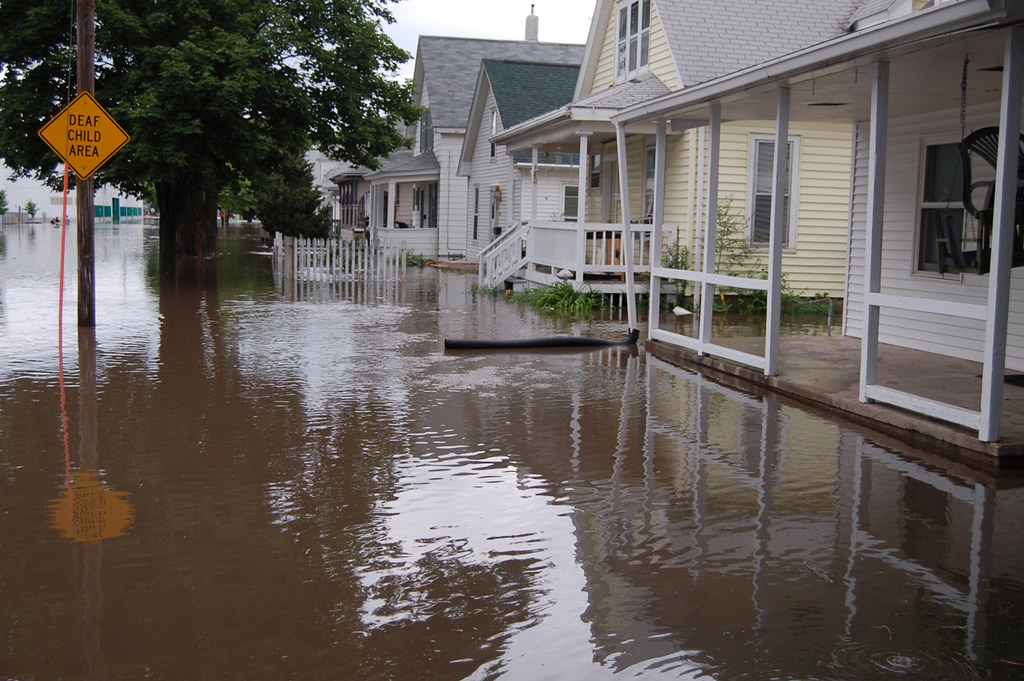
Emergency Flood & Water Damage Restoration — Washington City
- Recovery resources and next steps
- Insurance claim guidance
- Lessons learned for future prevention
- Professional restoration support
Mold can start growing within 24–48 hours of water exposure. Fast extraction and drying dramatically reduce secondary damage and health risks.
Live Conditions
Real-time weather radar for Utah
How DRT Helped Washington City Recover from the September 2026 Flash Flood Warning
A Recovery Case Study & Resource Guide for Washington City, Hurricane, Ivins, Santa Clara, and surrounding communities
About This Event
On August 31, 2026, the National Weather Service Salt Lake City issued a Flash Flood Warning for Washington City and surrounding areas, effective from 5:44 PM MDT through 9:00 PM MDT. The storm impacted homes and businesses across Washington City, Hurricane, Ivins, Santa Clara, and neighboring communities throughout Washington County.
The Disaster Repair Team (DRT) mobilized immediately and worked alongside affected residents and business owners through every stage of the recovery — from emergency water extraction in the hours after the storm to full structural rebuilds in the weeks that followed.
This page serves as both a record of that response and a practical recovery guide for anyone in the region dealing with flood damage — now or in the future.
If you're dealing with flood or water damage right now, we're still here: 385-287-6344
What Homeowners and Businesses Did Right After the Flood
In the immediate aftermath of the August 2026 flash flood, the steps that made the biggest difference for Washington County residents were straightforward — but easy to overlook in the stress of the moment. Here's what the most successful recoveries had in common:
- Put family safety first. Residents who waited until floodwaters fully receded before re-entering their homes avoided unnecessary injuries from hidden structural damage, contaminated water, and electrical hazards.
- Documented everything before cleanup began. Thorough photos and video of all damage — walls, flooring, furniture, personal belongings, and exterior — made insurance claims significantly smoother.
- Avoided structurally compromised areas. Flooded foundations, sagging ceilings, and waterlogged walls can fail without warning. Homeowners who stayed out until a professional assessed the structure protected themselves from serious harm.
- Contacted their insurance company early. Filing a claim promptly — and keeping a written record of every call and correspondence — helped residents move through the process faster.
- Called DRT before mold had a chance to set in. Water damage begins causing secondary problems — mold growth, structural weakening, compromised air quality — within 24 to 48 hours. Homeowners who called quickly saw significantly less secondary damage.
Dealing with water damage now? Don't wait. Call DRT: 385-287-6344
How DRT Responded
When the warning was issued on the evening of August 31, DRT's team was already on standby. In the hours and days that followed, we provided the full range of emergency restoration services to affected properties across Washington City, Hurricane, Ivins, and Santa Clara:
- Emergency water extraction — removing standing water from homes and businesses as quickly as possible to limit damage
- Structural drying — industrial-grade drying equipment deployed throughout affected structures to prevent mold and material failure
- Board-up and property securing — protecting exposed properties from further weather damage and unauthorized entry
- Mold remediation — identifying and eliminating mold growth before it spread
- Smoke and soot removal — for properties affected by any associated fire or electrical damage
- Full rebuild coordination — guiding homeowners from emergency response all the way through to a fully restored property
- Direct insurance coordination — working alongside adjusters to document damage thoroughly and advocate for our customers throughout the claims process
Lessons Learned: What the 2026 Flash Flood Taught Washington County
Every major weather event leaves behind hard-won knowledge. Here's what we — and the community — took away from the September 2026 flash flood recovery:
1. Flash floods move fast, and so should your response
The window between water intrusion and the start of mold growth is narrow. Properties where remediation began within the first 24 hours consistently experienced less secondary damage and lower overall restoration costs than those where cleanup was delayed by even a day or two.
2. Documentation is your best insurance asset
Homeowners who had photos and video of pre-flood conditions — from a home inventory or prior documentation — found the claims process far less contentious. We now recommend that all Washington County homeowners maintain an up-to-date visual record of their property.
3. Not all water damage is visible
Many of the most serious problems we encountered during the 2026 recovery were hidden — moisture trapped behind walls, under flooring, or in crawl spaces. Professional moisture mapping revealed damage that would have gone undetected and caused significant long-term structural and health problems.
4. Working with an experienced local team matters
Contractors who knew the terrain, the soil conditions, the local building codes, and the Washington County insurance landscape were able to move faster and deliver better outcomes than out-of-area crews who arrived after major disasters. Local knowledge is not a small advantage — it's a significant one.
5. Preparedness reduces recovery time
Homeowners who already knew their insurance policy details, had DRT's number saved, and had basic emergency supplies on hand got back to normal life faster. The time to prepare for a flash flood is before the warning is issued.
About DRT — Washington County's Local Restoration Team
The Disaster Repair Team has been serving Washington City, Hurricane, Ivins, Santa Clara, and communities throughout Washington County through floods, fires, and every kind of property emergency. The September 2026 flash flood was not the first major event we responded to in this area — and we'll be here for the next one.
We provide 24/7 emergency restoration services including water extraction, structural drying, board-up, mold remediation, and full rebuild coordination. We work directly with your insurance company so you don't have to navigate the process alone.
If you're currently dealing with water damage — from a recent storm or any other cause — call us now. If you're a Washington County homeowner who wants to be prepared before the next flash flood warning, save our number today.
📞 Call DRT anytime, 24/7: 385-287-6344
Call Now for Emergency Restoration
```Most homeowner policies cover sudden water damage (burst pipes, appliance failures). Natural flooding typically requires separate flood insurance. Either way, DRT documents everything from day one — moisture readings, photos, scope of work — so your claim is supported whether it goes through your standard policy or a flood policy.
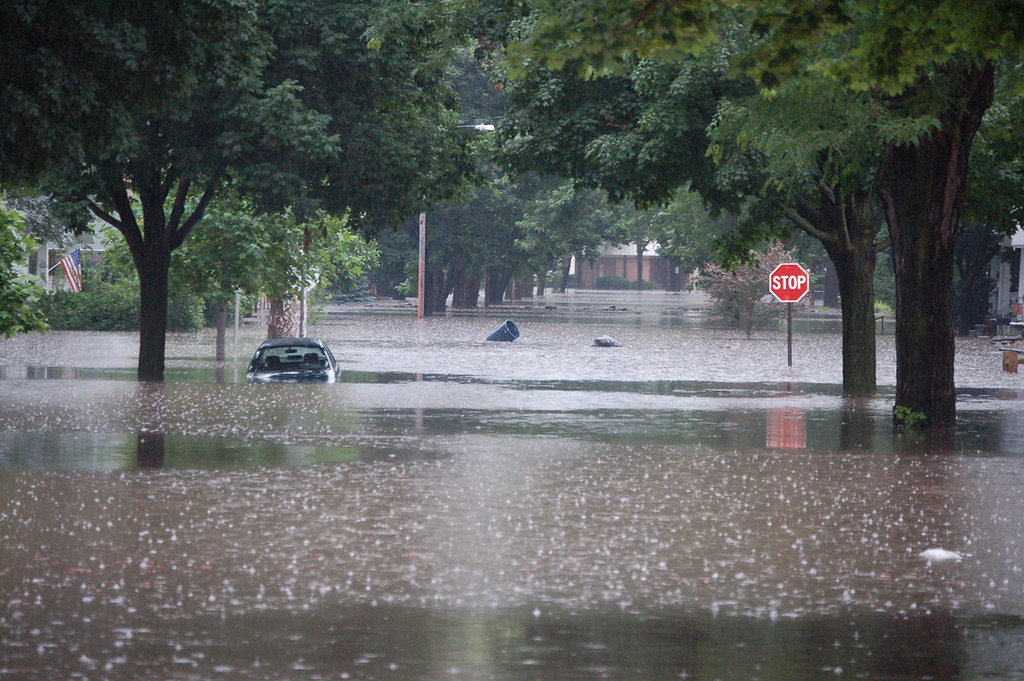
Frequently Asked Questions
How quickly does mold grow after flooding?
Will my homeowner's insurance cover flood damage restoration?
What should I NOT do after my home floods?
How quickly can DRT respond?
Do I need to file my insurance claim before calling DRT?
DRT serves Washington City and surrounding areas. View our full Washington City service area page for more about our restoration services in your area, or browse all service areas.
Need Help Now?
The Disaster Repair Team provides 24/7 emergency restoration services across Utah.
Request Help Online