Emergency Flood & Water Damage Restoration — St. George
- Recovery resources and next steps
- Insurance claim guidance
- Lessons learned for future prevention
- Professional restoration support
Mold can start growing within 24–48 hours of water exposure. Fast extraction and drying dramatically reduce secondary damage and health risks.
Live Conditions
Real-time weather radar for Utah
How DRT Helped St. George Recover from the September 2026 Flash Flood — A Community Recovery Guide
Serving Hurricane, Ivins, Santa Clara, Washington & Greater St. George, Utah
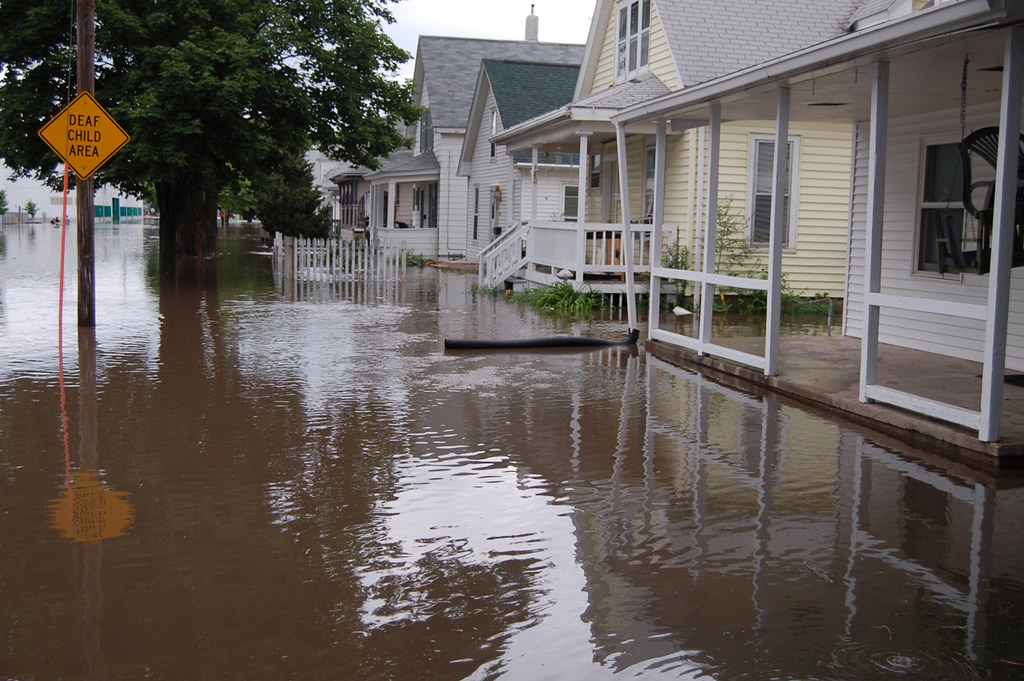
On August 31, 2026, the National Weather Service Salt Lake City issued a Flash Flood Warning for the St. George area at 5:44 PM MDT. By 9:00 PM that evening, homes and businesses across Washington County — including neighborhoods in Hurricane, Ivins, Santa Clara, and Washington City — had experienced water intrusion, structural damage, and the kind of disruption that can feel overwhelming in the hours and days that follow.
The Disaster Repair Team (DRT) responded immediately and worked alongside dozens of local families and business owners throughout the recovery process. This page documents what happened, what we learned, and how we helped — so that if you're dealing with the aftermath of a flood event right now, you know exactly what to do and who to call.
Dealing with flood damage? Call DRT anytime: 385-287-6344
What Happened: The September 2026 Flash Flood Warning
Flash flooding in Southern Utah is always a serious risk, but the late-summer 2026 event caught many residents off guard with its speed and intensity. St. George's red rock terrain and hardpan soil mean water moves fast — channels fill quickly, roads become rivers, and structures that seem safe can take on water within minutes.
In the hours following the warning, DRT crews were deployed across the region. By the time the warning expired, our teams were already on the ground performing water extraction and documenting damage for insurance claims.
What to Do After a Flash Flood — Practical Steps That Helped Our Customers
Whether you were affected by the 2026 event or you're dealing with a flood right now, these are the steps that made the biggest difference for the homeowners and businesses DRT worked with:
- Prioritize your family's safety first. Do not return to a flooded structure until authorities have confirmed it is safe to enter. Floodwater can hide electrical hazards, structural damage, and contamination.
- Document everything before cleanup begins. Take extensive photos and video of all damage — walls, floors, personal property, HVAC systems, and the exterior. This documentation was critical for successful insurance claims during the 2026 recovery.
- Do not enter structurally compromised areas. If walls are bowing, ceilings are sagging, or floors feel soft or unstable, stay out and wait for a professional assessment.
- Contact your insurance company as soon as possible. Open your claim early. The sooner your adjuster is involved, the faster your recovery moves forward. DRT worked directly with insurers throughout the 2026 event to streamline this process.
- Call DRT for professional restoration. Time is critical — mold can begin developing within 24–48 hours of water intrusion. Early extraction and structural drying prevented significant secondary damage for many of the homes we served. Call us: 385-287-6344
- Avoid using household fans or HVAC systems to dry the space. Without proper equipment and moisture mapping, DIY drying efforts often spread contamination and moisture into unaffected areas.
- Discard porous materials that absorbed floodwater. Drywall, insulation, carpeting, and upholstered furniture that contacted floodwater typically cannot be safely restored and should be removed promptly.
How DRT Responded — Our Services During the 2026 Flood Recovery
DRT provided comprehensive emergency and long-term restoration services to affected residents and businesses across Washington County following the 2026 event. Our response included:
- 24/7 Emergency Water Extraction — Crews were deployed within hours of the warning expiration, removing standing water from affected structures across St. George, Hurricane, Ivins, Santa Clara, and Washington City.
- Structural Drying — Industrial air movers, dehumidifiers, and thermal imaging were used to fully dry wall cavities, subfloors, and structural framing — preventing mold and preserving structural integrity.
- Mold Remediation — For properties where moisture was not addressed quickly enough, DRT performed full mold assessments and remediation in accordance with IICRC standards.
- Board-Up & Tarping — Damaged windows, doors, and rooflines were secured to protect properties from further weather exposure.
- Smoke & Soot Removal — In cases where flooding coincided with or followed fire damage, DRT coordinated complete remediation services.
- Full Rebuild Coordination — Many of the families we served needed more than cleanup. DRT managed full reconstruction — from framing and drywall to flooring and finish work — so homeowners had a single point of contact throughout recovery.
- Direct Insurance Billing — DRT worked directly with insurance carriers, providing documentation, moisture logs, and scope-of-work reports to support every claim.
Ready to start your recovery? DRT is available 24/7: 385-287-6344
Lessons Learned: What the 2026 Flash Flood Taught Southern Utah Homeowners
After working through the recovery process with dozens of Washington County families, several consistent themes emerged. These lessons are worth sharing — because the next flash flood warning in Southern Utah is not a matter of if, but when.
1. Flash Floods Move Faster Than Most People Expect
Many homeowners who were affected in 2026 had lived in the area for years without experiencing flooding. The desert landscape creates conditions where water that falls miles away can surge through a neighborhood in minutes. Don't wait to see water — act on the warning.
2. The First 24 Hours Are the Most Important
The gap between "we'll call tomorrow" and "we called right away" translated directly into thousands of dollars in additional damage for some families. Properties where water extraction began within hours fared dramatically better than those where response was delayed even a day.
3. Flood Damage Is Rarely Just "Water"
Floodwater in Southern Utah often carries sediment, debris, and contaminants from desert washes and roadways. What looked like clean water in several homes turned out to require Category 2 or Category 3 remediation protocols. Professional testing and assessment — not visual inspection alone — determined the actual scope of contamination.
4. Insurance Documentation Is Everything
Customers who had photos, video, and a professional damage assessment in hand when they called their insurer moved through the claims process significantly faster. Those who cleaned up before documenting sometimes struggled to recover the full value of their losses.
5. Know Your Contractor Before the Storm
In the hours after a major weather event, legitimate restoration contractors fill up fast — and less reputable operators begin moving into affected areas looking for vulnerable homeowners. Having a trusted, licensed, local contractor's number saved already on your phone matters. DRT is locally owned, licensed in Utah, and has served Washington County for years. We were here before the 2026 event, and we'll be here for the next one.
6. Mold Doesn't Wait for Your Schedule
More than one homeowner told us they planned to "wait and see if it really dries out on its own." In Southern Utah's summer heat, moisture trapped in wall cavities and subfloors created active mold growth within 48 hours in several cases. When in doubt, get a moisture assessment — it's typically low-cost or free, and it could save you a major remediation bill later.
DRT Knows Southern Utah — Because We Live Here Too
The Disaster Repair Team is a locally owned and operated restoration company serving St. George, Hurricane, Ivins, Santa Clara, Washington City, and surrounding communities in Washington County. We're not a national franchise that parachutes in after major events — we're your neighbors, and we were here through the 2026 floods from the first warning to the final walkthrough.
We understand the unique challenges of Southern Utah's terrain, the speed of flash flood events in the canyon country, and the insurance landscape that local homeowners navigate. When you call DRT, you're working with a team that has seen this before and knows how to get you home faster.
- ✅ 24/7 Emergency Response
- ✅ Licensed & Insured in Utah
- ✅ Direct Insurance Billing
- ✅ Water Extraction, Structural Drying, Mold Remediation, Full Rebuild
- ✅ Locally Owned — Washington County's Trusted Restoration Team
If you've experienced flood damage — from the 2026 event or any storm since — call DRT now for a free assessment:
Available 24 hours a day, 7 days a week. No job too large or too small. We'll walk you through every step of the process — from the first call to the final inspection.
```Most homeowner policies cover sudden water damage (burst pipes, appliance failures). Natural flooding typically requires separate flood insurance. Either way, DRT documents everything from day one — moisture readings, photos, scope of work — so your claim is supported whether it goes through your standard policy or a flood policy.
Frequently Asked Questions
How quickly does mold grow after flooding?
Will my homeowner's insurance cover flood damage restoration?
What should I NOT do after my home floods?
How quickly can DRT respond?
Do I need to file my insurance claim before calling DRT?
DRT serves St. George and surrounding areas. View our full St. George service area page for more about our restoration services in your area, or browse all service areas.
Need Help Now?
The Disaster Repair Team provides 24/7 emergency restoration services across Utah.
Request Help Online