Emergency Flood & Water Damage Restoration — Ivins
- Recovery resources and next steps
- Insurance claim guidance
- Lessons learned for future prevention
- Professional restoration support
Follow local emergency guidance. Stay out of unsafe areas and call emergency services if there is immediate danger.
Live Conditions
Real-time weather radar for Utah
How DRT Helped Ivins Recover from the September 2026 Flash Flood — A Community Recovery Case Study
Serving Ivins, Santa Clara, Hurricane, and surrounding Washington County communities
On August 31, 2026, the National Weather Service in Salt Lake City issued a Flash Flood Warning for the Ivins area at 5:44 PM MDT, effective through 9:00 PM MDT that evening. What followed was a scramble for hundreds of homeowners and business owners across Ivins, Santa Clara, and Hurricane to protect their properties — and then, in the days and weeks after, to rebuild.
The Disaster Repair Team (DRT) responded to that event. This page documents what happened, what our teams saw on the ground, and what we learned — so that if you're dealing with flood damage now or preparing for the next storm season, you have a trusted local resource to turn to.
Dealing with flood damage right now? We've been through this before and we're ready to help.
Call DRT 24/7: 385-287-6344
What the September 2026 Flood Looked Like on the Ground
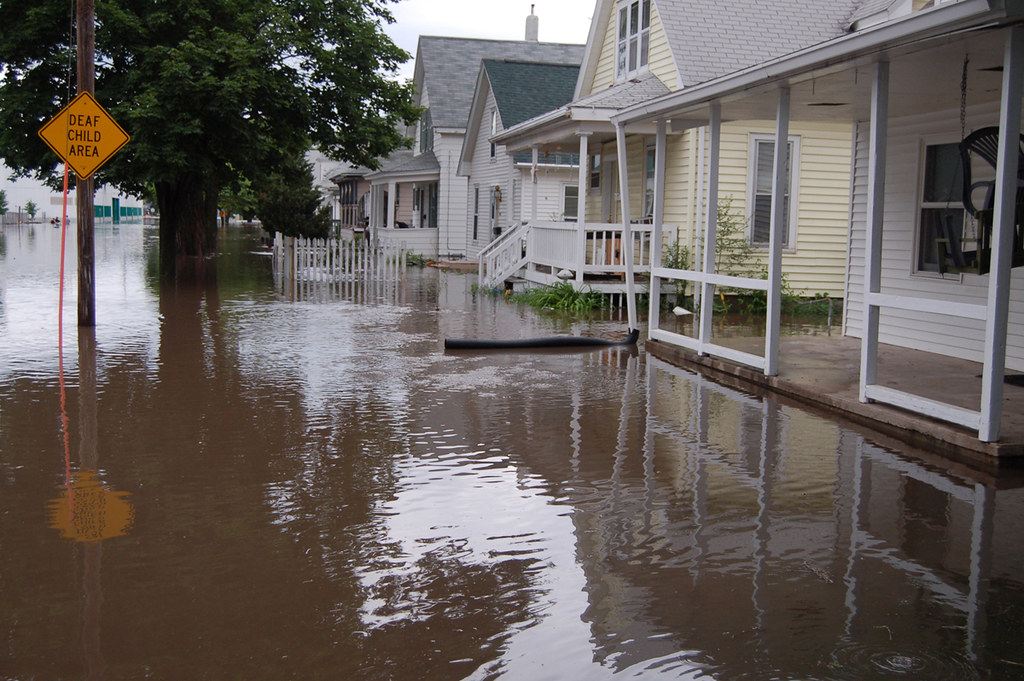
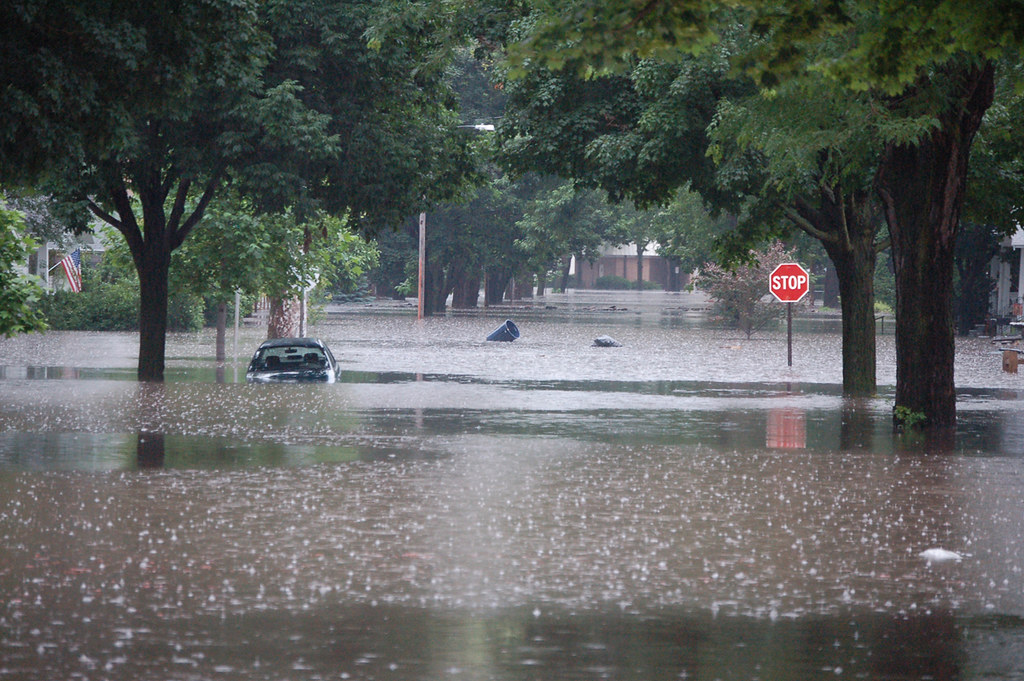
Flash floods in the Ivins and Santa Clara area move fast. The red rock terrain and hardpan soil that make this corner of Utah so beautiful also mean water has nowhere to go — it channels quickly into washes, streets, and unfortunately, into homes and businesses. During the September 2026 event, DRT crews documented:
- Rapid water intrusion into ground-floor living spaces and garages
- Sediment and debris deposits left behind as floodwaters receded
- Saturated drywall, flooring, and insulation requiring full removal
- Early-stage mold growth in structures where drying was delayed
- Damaged HVAC systems and electrical components from standing water
Many homeowners who called us quickly were able to salvage flooring, cabinetry, and structural framing that would have been a total loss if water had been allowed to sit for even 24–48 hours longer.
What to Do After a Flash Flood — The Steps That Made a Difference
Looking back at the September 2026 response, the homeowners and business owners who fared best followed a clear sequence of actions in the hours and days after the water receded. If you've experienced flooding, here's what DRT recommends — based on what we saw work:
- Prioritize your family's safety first. Floodwater can compromise structural integrity, introduce electrical hazards, and carry contaminants. Do not re-enter your home until it has been confirmed safe.
- Document everything with photos and video before touching anything. Walk through every affected area and capture wide shots and close-ups. This documentation was critical for insurance claims after the 2026 event.
- Do not enter structurally compromised areas. Swollen door frames, cracked foundations, and sagging ceilings are warning signs that a structure may not be safe.
- Contact your insurance company as soon as possible. Report the loss, ask about your coverage, and request a claim number. DRT works directly with insurance carriers and can help you navigate this process.
- Call a professional restoration team immediately. Every hour water sits in a structure increases the risk of mold, deeper saturation, and greater long-term damage. Speed matters enormously.
Ready to start your recovery? DRT has the experience and equipment to move fast.
Call us anytime: 385-287-6344
How DRT Helped — Services Deployed After the September 2026 Flood
When DRT responded to the September 2026 event across Ivins, Santa Clara, Hurricane, and neighboring communities, our crews deployed a full range of restoration services, including:
- Emergency water extraction — Industrial pumps and wet-vacs to remove standing water as quickly as possible
- Structural drying — High-capacity air movers and dehumidifiers deployed throughout affected structures, with moisture readings tracked daily
- Debris and sediment removal — Flash floods leave behind mud and debris that must be fully cleared before drying can begin
- Board-up and tarping — Securing properties against further weather exposure
- Mold remediation — Treating affected areas and preventing secondary mold growth in structures where moisture lingered
- Full rebuild coordination — From drywall and flooring to cabinetry and painting, DRT managed the complete restoration process
- Direct insurance billing — We worked directly with insurance companies on behalf of our clients, reducing stress during an already difficult time
We are a local team. We know the soil conditions, the drainage patterns, and the construction styles common to Washington County. That local knowledge made us faster and more effective in 2026 — and it means we'll be ready again when the next storm hits.
Lessons Learned — What the September 2026 Flood Taught Us and Our Clients
Every disaster event teaches us something. Here's what DRT and the homeowners we served took away from the September 2026 flash flood:
1. Time is the most expensive variable in flood recovery.
Clients who called DRT within hours of floodwaters receding consistently saw better outcomes and lower total restoration costs than those who waited even a day or two. Mold can begin developing in saturated materials within 24–48 hours. The faster water is extracted and drying begins, the more can be saved.
2. Documentation saves money at claim time.
Homeowners who had thoroughly photographed and video-recorded their damage before any cleanup began had significantly smoother insurance claim experiences. Those who began cleaning up before documenting sometimes faced disputes over the extent of the original damage.
3. Flash floods in this region carry contaminants — don't treat floodwater as clean.
Water moving across the red rock terrain and through streets picks up debris, waste, and biological material. Some clients in 2026 attempted DIY cleanup without proper protective equipment or appropriate remediation steps. This created health risks that a professional team could have avoided.
4. A single point of contact for restoration and rebuild reduces stress dramatically.
Clients who used DRT for both the emergency restoration phase and the full rebuild reported far less stress than those who had to manage multiple contractors. DRT's ability to coordinate from water extraction through finished rebuild meant fewer gaps, faster timelines, and cleaner communication with insurance adjusters.
5. Pre-storm preparation matters more than most homeowners expect.
Several clients in the Ivins area had taken steps prior to the 2026 event — clearing drainage areas, installing door barriers, keeping important documents accessible — that meaningfully reduced their damage and recovery time. Washington County's flash flood risk is real and recurring. Being prepared pays off.
About DRT — Your Local Restoration Team for Ivins, Santa Clara, Hurricane & Beyond
Disaster Repair Team is a locally based restoration contractor serving Washington County and surrounding areas. We are available 24 hours a day, 7 days a week, for emergency response to flooding, fire, wind, and other property disasters. We have direct experience responding to flash flood events specific to the terrain and conditions of Southern Utah — including the September 2026 event documented on this page.
We work directly with all major insurance carriers and can serve as your single point of contact from the first emergency call through the final walk-through of your completed restoration.
If your home or business has experienced flood damage — whether from a recent storm or an ongoing moisture issue — call DRT. We know what to do because we've done it before.
📞 Call DRT 24/7: 385-287-6344
Coverage and claim requirements depend on your policy and the cause of damage. Contact your insurer to confirm coverage before authorizing work. Keep photos and receipts when safe to do so.
Frequently Asked Questions
What should I do first?
Does insurance cover restoration?
How soon can restoration begin?
DRT serves Ivins and surrounding areas. View our full Ivins service area page for more about our restoration services in your area, or browse all service areas.
Need Help Now?
The Disaster Repair Team provides 24/7 emergency restoration services across Utah.
Request Help Online