Emergency Flood & Water Damage Restoration — Santa Clara
- Recovery resources and next steps
- Insurance claim guidance
- Lessons learned for future prevention
- Professional restoration support
Mold can start growing within 24–48 hours of water exposure. Fast extraction and drying dramatically reduce secondary damage and health risks.
Live Conditions
Real-time weather radar for Utah
How DRT Helped Santa Clara Recover from the September 2026 Flash Flood Warning
A Recovery Case Study: Hurricane, Ivins, Santa Clara & Surrounding Communities
On August 31, 2026, at 5:44 PM MDT, the National Weather Service Salt Lake City issued a Flash Flood Warning for Santa Clara and surrounding communities — including Hurricane and Ivins — lasting through 9:00 PM MDT that same evening. Within hours, homes and businesses across the area experienced water intrusion, structural damage, and the kind of chaos that only a sudden flash flood can bring.
The Disaster Repair Team (DRT) was on the ground and responding. This page documents what happened, how local property owners navigated the aftermath, and what the community learned — so that if it happens again, you're ready.
Already dealing with flood damage? We've been through this before and we can help you now.
Call DRT 24/7: 385-287-6344
What the September 2026 Flash Flood Looked Like on the Ground
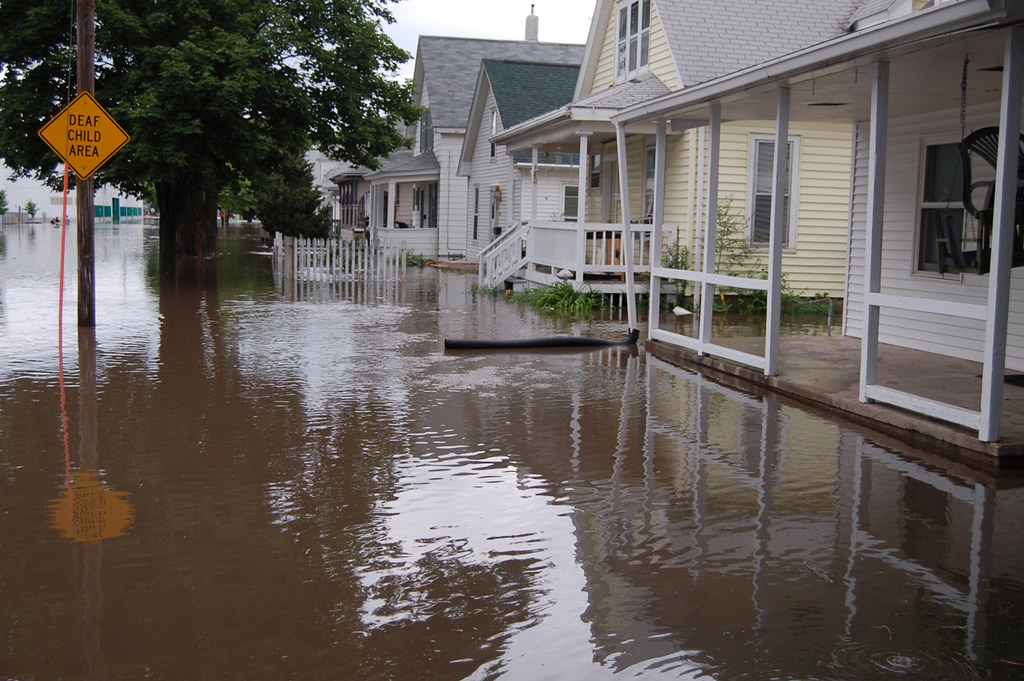
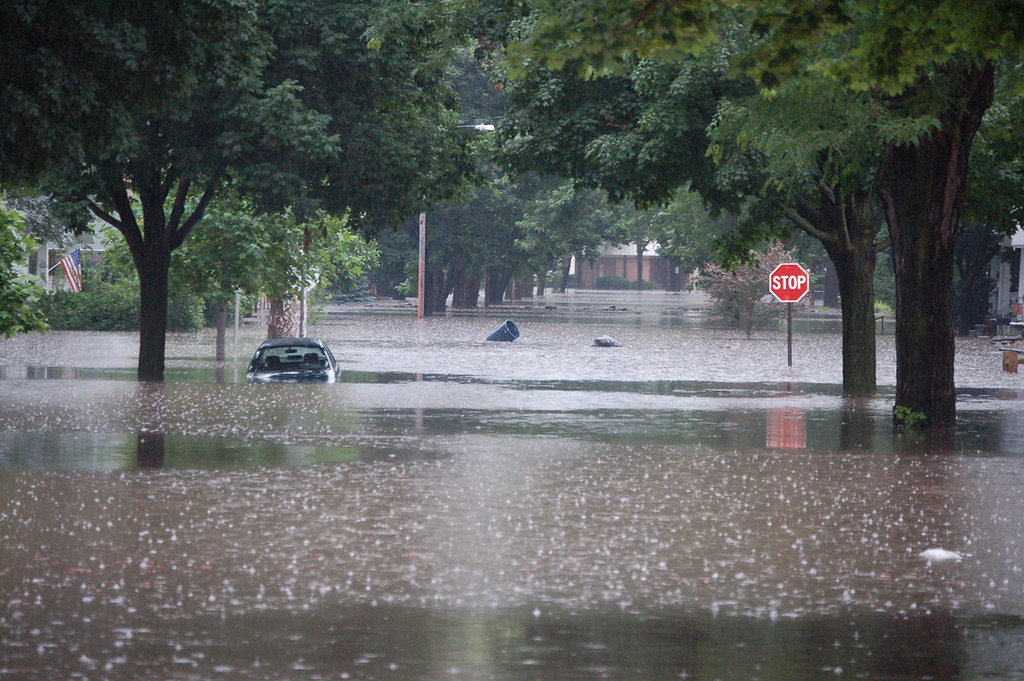
Flash floods in the Santa Clara and Hurricane area are rarely predictable and almost always fast-moving. The September 2026 event was no exception. Storm runoff overwhelmed drainage systems, water entered structures through doors, windows, garages, and foundation gaps, and residents had very little time to prepare. Within the warning window, DRT received calls from property owners throughout Hurricane, Ivins, and Santa Clara dealing with everything from inches of standing water to significant structural concerns.
Our crews mobilized immediately, and restoration work began the same evening the warning was issued.
What Homeowners and Business Owners Did Right After the Flood
The property owners who fared best in the aftermath of the September 2026 flood followed a clear set of steps. Here's what worked — and what we recommend to anyone navigating flood recovery:
- Prioritized family and personal safety first. No property is worth risking injury. Residents who waited for floodwaters to recede before re-entering their homes made the recovery process safer for everyone, including our crews.
- Documented all damage immediately with photos and video. Before moving or removing anything, the smartest move was capturing comprehensive documentation. This proved invaluable during insurance claims.
- Avoided structurally compromised areas. Floodwater weakens floors, walls, and foundations. Property owners who stayed out of unstable areas prevented additional injuries and preserved evidence for adjusters.
- Contacted their insurance company promptly. Early notification helped speed up the claims process. DRT worked directly with insurance carriers on behalf of many affected property owners, reducing the back-and-forth burden on families already under stress.
- Called DRT for emergency restoration without delay. Time is the enemy after a flood. Every hour that standing water remains increases the risk of mold, structural deterioration, and secondary damage. Owners who called quickly saw significantly better outcomes. 385-287-6344
How DRT Responded to the September 2026 Flood
DRT provided full-spectrum emergency restoration services throughout the affected communities. Our response included:
- Water extraction — rapid removal of standing water using industrial-grade equipment
- Structural drying — professional drying systems deployed to walls, subfloors, and cavities to prevent hidden moisture damage
- Board-up and securing — protecting compromised structures from further exposure
- Mold remediation — proactive and reactive treatment to stop mold growth before it spread
- Smoke and soot removal — for any properties where secondary hazards were present
- Full rebuild coordination — DRT managed the restoration process from emergency response through final repairs, keeping property owners informed at every step
- Direct insurance coordination — our team worked alongside adjusters to document damage, scope work, and streamline approvals
We served property owners across Santa Clara, Hurricane, Ivins, and the surrounding Washington County communities throughout this event.
Lessons Learned from the September 2026 Flash Flood
Every disaster teaches something. Here's what the September 2026 event reinforced for our team — and for the communities we served:
1. Flash floods move faster than most people expect.
A warning window of a few hours may sound like plenty of time. It isn't. Water entered structures within minutes of the warning being issued in some areas. Having a plan before a warning is issued — not after — is the difference between controlled response and crisis.
2. The first 24–48 hours are the most critical.
Properties where water extraction began within the first few hours saw dramatically reduced secondary damage. Properties where owners waited — hoping things would dry on their own — frequently developed mold within 48–72 hours and required significantly more extensive (and expensive) remediation.
3. Documentation protects you during insurance claims.
Property owners who photographed and video-documented damage before any cleanup began had smoother, faster claims experiences. Those who didn't faced disputes over the scope of damage. Document everything, even if it feels excessive in the moment.
4. Not all restoration companies are created equal.
After major weather events, out-of-area contractors and storm chasers flood into affected communities. Several Santa Clara-area residents reported being approached by unfamiliar companies offering quick fixes. Local matters. DRT is based here, licensed here, and accountable to this community — not passing through.
5. Insurance coordination shouldn't fall on the homeowner alone.
Navigating a flood claim while also managing a displaced family and a damaged home is overwhelming. Property owners who leaned on DRT's insurance coordination support reported less stress and faster resolution. You don't have to manage adjusters, scope disputes, and repair timelines by yourself.
6. Mold doesn't wait for your schedule.
In the high-summer heat of southern Utah, mold can begin developing in wet building materials within 24–48 hours. Several properties that weren't treated promptly required mold remediation that could have been avoided entirely with faster response. When in doubt, call immediately.
7. Having a trusted restoration contact saved time when it mattered most.
Property owners who already knew about DRT — or had worked with us before — were able to get crews on-site faster than those who spent critical hours researching options during the emergency. Save our number before you need it.
DRT Knows Santa Clara, Hurricane, and Ivins
The Disaster Repair Team isn't a national call center routing your emergency to the nearest available crew. We are a local restoration company with deep roots in Washington County. We know the terrain, the soil conditions, the drainage patterns, and the building styles that make flash flood recovery in this part of Utah different from anywhere else.
The September 2026 event was not the first time we've responded to flooding in this community, and it won't be the last. We've built our response systems — staffing, equipment, and insurance relationships — around the specific needs of property owners in Hurricane, Santa Clara, Ivins, and surrounding areas.
When the next warning comes, we'll be ready. And now, so will you.
Experiencing Flood Damage Now? DRT Is Ready.
Whether you're dealing with the aftermath of a recent storm or preparing to understand your options before the next one, DRT is here to help. We provide 24/7 emergency restoration services with no after-hours surcharge for initial response.
- Water extraction and structural drying
- Mold remediation
- Board-up and structural securing
- Full rebuild coordination
- Direct insurance company coordination
Call DRT anytime — day or night:
385-287-6344
Don't wait to see if things dry out on their own. Call now and let our team assess the damage before it gets worse.
```Most homeowner policies cover sudden water damage (burst pipes, appliance failures). Natural flooding typically requires separate flood insurance. Either way, DRT documents everything from day one — moisture readings, photos, scope of work — so your claim is supported whether it goes through your standard policy or a flood policy.
Frequently Asked Questions
How quickly does mold grow after flooding?
Will my homeowner's insurance cover flood damage restoration?
What should I NOT do after my home floods?
How quickly can DRT respond?
Do I need to file my insurance claim before calling DRT?
DRT serves Santa Clara and surrounding areas. View our full Santa Clara service area page for more about our restoration services in your area, or browse all service areas.
Need Help Now?
The Disaster Repair Team provides 24/7 emergency restoration services across Utah.
Request Help Online